

5 things to know about NASSIT’s New Director General Chernor Mamoud Jalloh
 Kanja Sesay
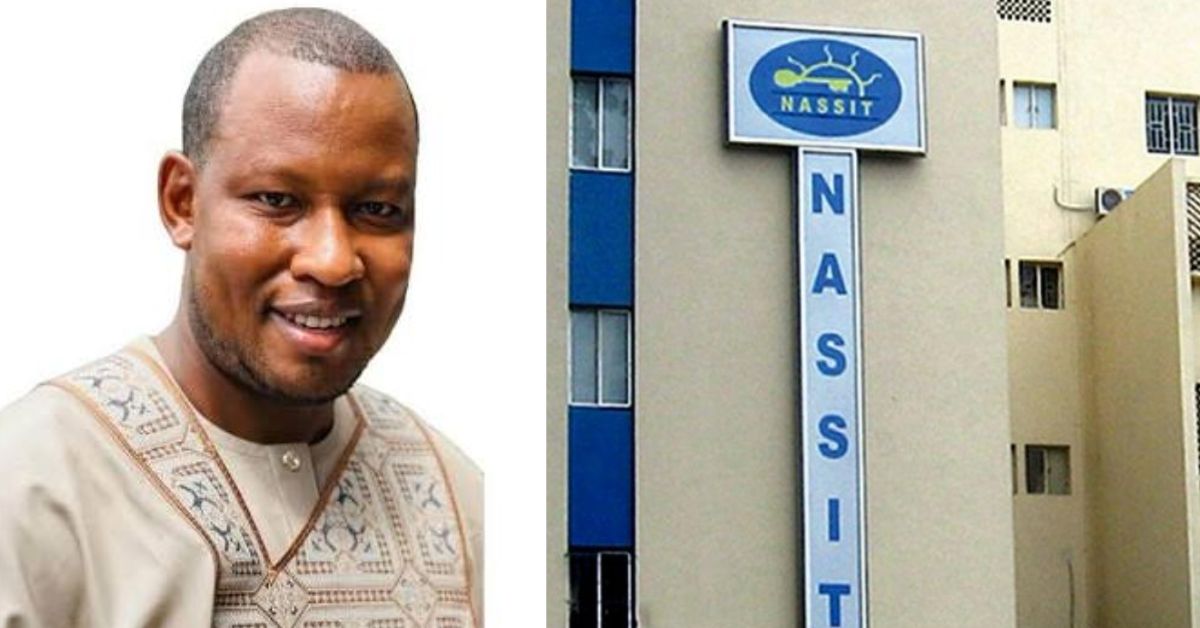
 President Julius Maada Bio has appointed Chernor Mamoud Jalloh as the new Director-General of the National Social Security and Insurance Trust (NASSIT). He replaces Mohamed Fuaad Daboh in the role.
Here are five things to know about the new leader of Sierra Leone’s pension authority.
1. He is a Chartered Accountant with International Experience

Jalloh is a fully qualified chartered accountant and holds certification from the Association of Chartered Certified Accountants (ACCA), which he earned through the London School of Business and Finance. He brings over 15 years of professional experience in finance, accounting, and commercial management to the role.


He currently serves as Manager of Finance and Accounting at Yamaha Music Europe GmbH in Germany, where he leads a team of 32 professionals overseeing financial operations across more than 20 European countries. In this role, he prepares consolidated financial statements under German GAAP and IFRS and serves as the Regional Process Owner for Europe on a global SAP S/4Hana implementation project.
2. He Has a Strong Financial Control and Banking Background
Before his time in Europe, Jalloh worked in Sierra Leone’s banking sector as Unit Head of Systems and Controls at Guaranty Trust Bank (SL) Limited in Freetown. He was responsible for developing and maintaining the bank’s audit plan, conducting internal audits across all branches, and preparing monthly reports for the Sierra Leone Banking Supervision Department.
He also previously worked as a Credit Controller at Yamaha Music Europe, where he developed collection recovery strategies, performed credit limit reviews, and reduced past-due balances.
3. He Holds a Degree in Finance And Accounting
Jalloh holds a Bachelor of Soc. Sc & Law: Finance And Accounting from Fourah Bay College, University of Sierra Leone, providing him with a strong foundation in both legal and social science disciplines that complement his financial expertise.
4. He is a Product of Sierra Leone’s Education System
Jalloh completed his West African Senior Secondary Certificate Examination at Ahmadiyya Secondary School in Freetown, demonstrating that he is a product of Sierra Leone’s local education system who has gone on to achieve international professional success.
5. He Is Part of a Leadership Restructuring at NASSIT
Jalloh’s appointment is part of a broader leadership change at NASSIT. Ms Jenneh Jabati has been appointed as the new Chairperson of the NASSIT Board of Trustees, and Mr Mohamed Bangura has been appointed Deputy Director-General (Administration and Finance).
The appointments were announced by State House on 21 July 2026 and are subject to parliamentary approval where applicable. The new leadership team is expected to address long-standing concerns around efficiency, transparency, and expansion of coverage at the Trust, which remains the country’s largest institutional investor.
The National Social Security and Insurance Trust (NASSIT) is Sierra Leone’s national pension administrator, established by statute in 2001. It manages social security contributions, operates the country’s pension system, and holds significant real estate assets across Sierra Leone. The organisation is overseen by the Ministry of Labour and Social Security.
Congratulations to him