
Black Panther Casting Outrage: Another Case of Misplaced Priorities
 Ben Bassey
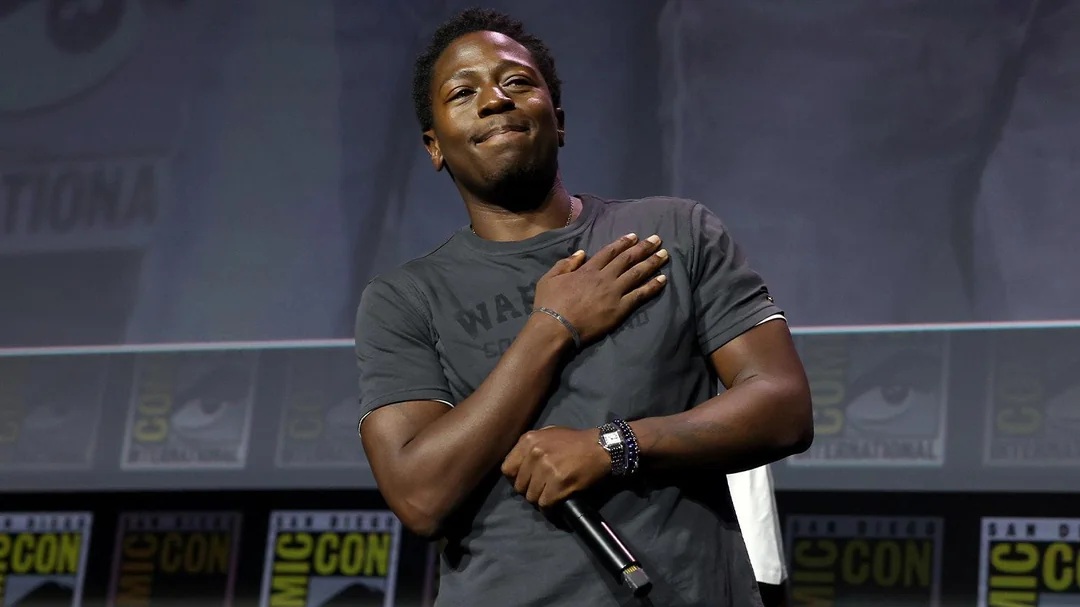
 The internet has once again found something to lose its collective mind over. This time, the target is David Jonsson, the British actor of Nigerian and Sierra Leonean heritage who was unveiled at San Diego Comic-Con as the new Black Panther. The outrage is not over his acting credentials but over the fact that he is from the diaspora rather than “Africa” itself.
Let’s put this in perspective. People are upset that a Black man with ancestry from Sierra Leone and Nigeria has been cast to play a fictional superhero from a fictional African country called Wakanda.
I have three questions for the people outraged.

1. Does It Actually Matter Where the Actor Is From If They Are Black?
The argument seems to be that only African-born actors should play African roles. On the surface, this sounds reasonable. Representation matters.
But Wakanda is a fictional nation created by two white men, Stan Lee and Jack Kirby, in 1966. It does not exist on any map. Christopher Priest, a Black American writer, later reinvented the character and introduced the Dora Milaje. Reginald Hudlin, another Black American, wrote storylines emphasising Black cultural pride.
Wakanda draws from various regions—the Dora Milaje’s neck rings from South Africa’s Ndebele people, the writing from Nigeria’s Ejagham people, the kente cloth from Ghana’s Ashanti people. It is a pan-African creation. It belongs to no one country in Africa. So why is there a purity test for who can portray its king?
2. Since Wakanda Is Fictional, How Exactly Is the Character Meant to Be Represented?
Wakanda is not a real country with a real history. It has no official language, no ethnic groups, and no geographic borders. It is a symbol. It represents what Africa could have been without colonialism. It is a vessel for imagination and aspiration.
The character T’Challa, or in this case, T’Challa II, the adult son of the late king, is not a historical figure. He is a comic book character. The only requirement for the actor playing him is that they can convincingly portray a Black king of a tech-advanced African nation. David Jonsson, a trained actor with Nigerian and Sierra Leonean roots, can do that. So could Damson Idris, a British-Nigerian actor many fans expected to get the role. So could a South African actor, or a Ghanaian actor, or a Nigerian actor.
Considering how much Africans hate the lack of authenticity with the way they are represented in Hollywood films, which African country should T’Challa II come from? To which tribe? To which cultural practice?
3. Where Was This Energy When Halle Bailey Played Ariel?
In 2023, when Halle Bailey was cast as Ariel in The Little Mermaid, there was widespread outrage. A Black actress playing a fictional mermaid, which historically has been portrayed as white?
If a Black American actress can play a fictional Danish mermaid without the Black community crying about “authenticity,” why can’t a Black man play a fictional African king?
All of a sudden, everyone is concerned about ancestral origins. Where is the consistency? If we are going to police who can play fictional characters based on their ethnicity or nationality, let us at least be consistent.
Another Case of Misplaced Priorities
The outrage over David Jonsson’s casting is not about representation. It is about gatekeeping. It is about who gets to claim Blackness and who does not. It most likely stems from years of Diaspora Blacks (especially African Americans) constantly distancing themselves from Africa.
David Jonsson is not “replacing” Chadwick Boseman, who, by the way, was African American. Jonsson is playing T’Challa’s son, a character established in Wakanda Forever and now grown up .
The franchise is moving forward, as it should. The world has enough crises without manufacturing outrage over a fictional African king played by a Black man with African ancestry.