

Guinea Walks Away From ECOWAS Single Currency Plan
 Aaron Parker
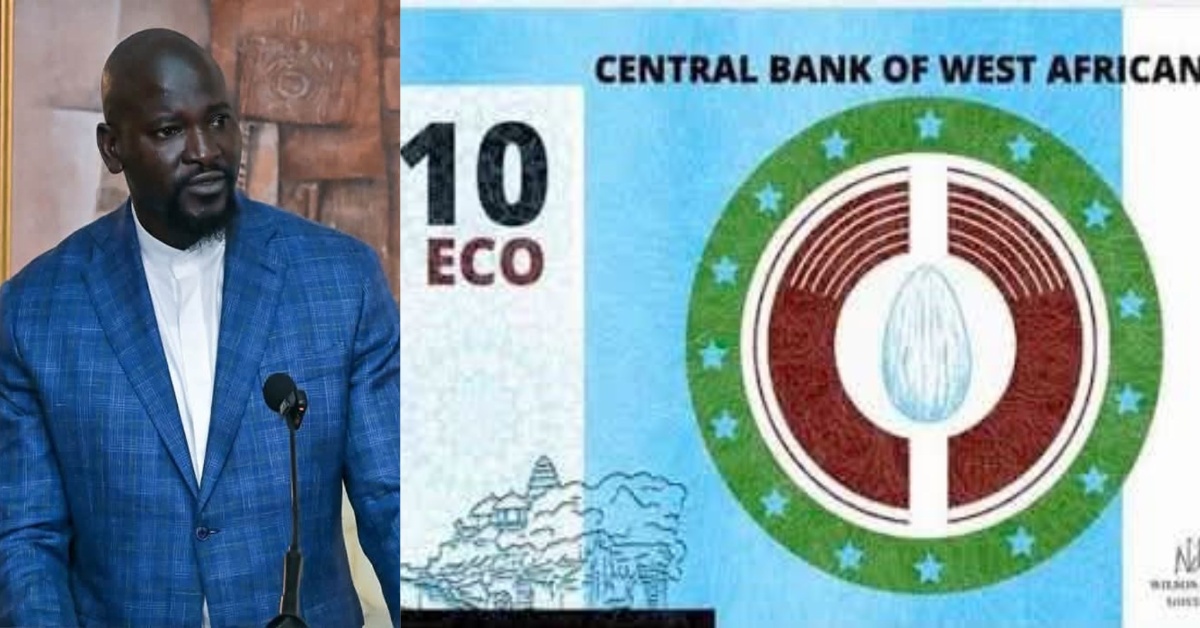
 Guinea has become the first ECOWAS member state to reject the proposed Eco single currency, choosing to maintain the use of the Guinean franc instead of joining the regional monetary project.
The Eco is part of ECOWAS’ long-standing plan to create a common currency for West Africa aimed at boosting regional trade, reducing currency exchange barriers, and strengthening economic integration among member states. The initiative, which was initially planned for an earlier rollout but faced delays due to economic and policy challenges, is now targeted for launch in 2027.
Under the plan, participating countries are expected to meet key economic requirements, including maintaining stable inflation, controlling budget deficits, and ensuring strong monetary and financial systems before adopting the currency. ECOWAS has indicated that countries meeting the required convergence criteria would join first, while others could join at a later stage.

However, Guinea’s government said it will retain its national currency to protect economic sovereignty and preserve full control over monetary policy. Authorities argued that adopting the Eco would provide limited immediate benefits because about 80 percent of Guinea’s exports are directed towards Asian markets rather than within the ECOWAS region.


Guinea’s decision has introduced fresh debate about the future of the regional currency initiative and whether all ECOWAS members will eventually embrace a shared monetary system. While supporters believe the Eco could simplify trade and strengthen economic cooperation, critics argue that countries must carefully consider the impact of surrendering control over their individual monetary policies.