



 1 Comment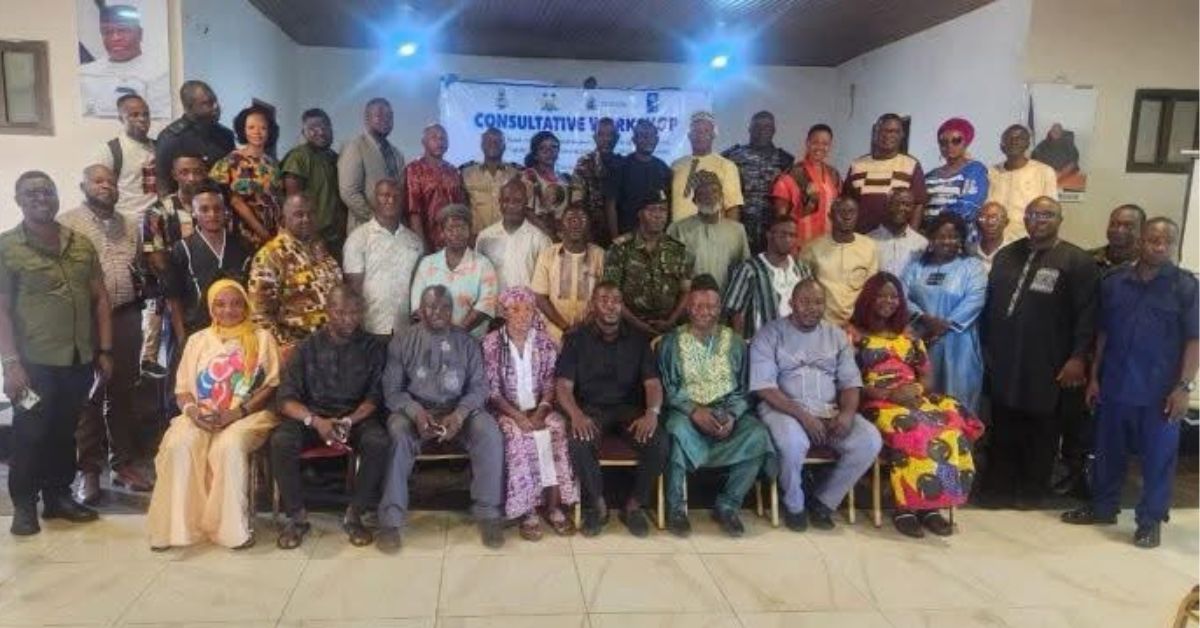
The Office of National Security (ONS) has concluded a nationwide series of regional consultative workshops aimed at identifying baseline political risks and security threats that could affect the peaceful conduct of Sierra Leone’s 2028 General Elections.
The exercise, which ended on 29 July 2026, brought together stakeholders from all five regions to assess existing and emerging electoral challenges and develop strategies to strengthen conflict prevention, electoral security and democratic stability.
The Regional Baseline Risk and Threat Assessment Consultative Workshops formed part of the ONS’s broader efforts to enhance national preparedness and reinforce early warning mechanisms ahead of the next electoral cycle.

Workshops were held in Bo on 21 July for participants from the Southern and Eastern regions, in Makeni on 23 July for representatives from the Northern and North-Western regions, and in Waterloo on 24 July for stakeholders from Western Area Rural and Western Area Urban.
According to the ONS, the consultations examined past and current political trends, identified existing and emerging political hotspots, analysed the key drivers of electoral conflict and assessed threats that could undermine the credibility and peaceful conduct of the 2028 polls.
The workshops attracted representatives of political parties, security institutions, election management bodies, civil society organisations, traditional and religious leaders, women’s organisations, youth groups, organisations representing persons with disabilities and media practitioners.
ONS said the inclusive process was intended to ensure that the assessment reflected a broad range of perspectives and experiences from across the country while promoting dialogue among key actors involved in the electoral process.
Addressing participants during the consultations, Chief of Staff of the Office of National Security, Francis Langumba Keili, who chaired all the regional workshops, stressed the importance of proactive measures in safeguarding Sierra Leone’s democratic process.
He noted that previous elections had often been marked by political violence and heightened political polarization, making it essential for stakeholders to work collectively in identifying and mitigating potential risks well before the commencement of the 2028 electoral process.
Keili explained that the workshops were designed to identify political hotspots, electoral threats and the principal drivers of political tension across the country, while also assessing institutional vulnerabilities and community-level friction points.
Participants were divided into thematic focus groups comprising both state and non-state actors, including members of the security sector, election management bodies, civil society organisations, media practitioners, women’s groups, youth representatives, religious leaders and organisations representing persons with disabilities.
The discussions focused on localized political tensions, community grievances, institutional weaknesses and other factors that could increase the risk of electoral violence if left unaddressed. Participants also proposed practical measures to strengthen cooperation among institutions and communities in addressing potential threats before they escalate.
Representatives of the Sierra Leone Police, the Republic of Sierra Leone Armed Forces, the Electoral Commission for Sierra Leone, the Political Parties Regulation Commission and other election-related institutions delivered goodwill messages and reaffirmed their commitment to supporting collaborative efforts aimed at maintaining peace and ensuring a secure electoral environment.
The ONS said the findings from the regional assessments will provide valuable baseline data to support national preparedness efforts, improve coordination among institutions responsible for election security and guide strategic interventions to ensure that the 2028 General Elections are peaceful, credible, inclusive and free from violence.
With less than two years before the next general elections, the completion of the workshops marks an important milestone in Sierra Leone’s efforts to build a comprehensive framework for electoral conflict prevention and strengthen national resilience against election-related violence through dialogue, inclusion and proactive risk management.

WISHFUL THINKING!!! THE MOST ARROGANT AND IDIOTIC PEOPLE ARE THE VASTLY EDUCATED IN ENGLISH ESPECIALLY AMONG THE ANGLOPHONE COUNTRIES. THERE WILL BE NO FUTURE ELECTIONS UNTIL THE JUNE 24TH 2023 AUTHENTIC ELECTIONS RESULTS ARE FULLY PUBLISHED AND VERIFIED, AND THE WINNER ANNOUNCED. ANYTHING LESS THAN THAT IS A RECIPE FOR CHAOS OR DISASTER IN SIERRA LEONE. THIS COULD BE THE LAST DESTRUCTION BEFORE SIERRA LEONE HEADS TO A TRAJECTORY OF GOOD LEADERSHIP WHERE EVERYONE WILL BENEFIT FROM THE NATURAL GIFTS GIVEN TO EACH AND EVERY SIERRA LEONEAN. MAADA BIO WILL GO DOWN AS THE WORST ILLEGITIMATE PRESIDENT THIS COUNTRY AND BY EXTENSION THE WORLD HAS EVER SEEN. WE ALREADY KNOW THAT, THE 2023 ELECTIONS WAS BADLY INFLUENCED BY BOLLE JOS, HUSBAND TO JULIUS MAADA BIO’S DAUGHTER, THE MOST NOTORIOUS DRUGLORD, THE WORLD IS LOOKING FOR AS HE ENJOYS PRESIDENTIAL STATE PROTECTION IN SIERRA LEONE. TWO OF THE BBC’S REPORT POINT CLEARLY TO THIS FACT, AND THE DISGRACED DISHONOURABLE LEADER OF THE MAIN OPPOSITION , ABDUL KARGBO, ALSO INFORMED THE WORLD , IN THE BBC REPORT THAT BOLLE JOS IS ENJOYING STATE PROTECTION IN SIERRA LEONE. THERE WILL BE ABSOLUTELY NO FAIR AND CREDIBLE ELECTIONS IN SIERRA LEONE WITH THESE DANGEROUS DRUGLORDS AROUND WHO HAVE BOUGHT PROTECTION WITH THEIR FILTHY CASH. THE PEOPLE OF SIERRA LEONE WILL NEVER EVER FORGIVE JULIUS MAADA BIO AND ALL THOSE WHO AID AND ABATE IN BRINGING THE GREAT NAME OF OUR COUNTRY TO THE MUD. THE INTERNATIONAL COMMUNITY MUST ARREST THE ILLEGITIMATE PRESIDENT, HIS SON IN LAW, BOLLE JOS, AND RESTORE DEMOCRACY IN SIERRA LEONE NOW.