

Saving Lives, One Data Point at a Time: NPHA Unveils Advanced Digital Mortality System

 Kanja Sesay
 The National Public Health Agency (NPHA) has engaged prospective suppliers to advance the development of an Integrated National Digital Mortality Surveillance, Registration and Certification System, in a move aimed at improving how Sierra Leone captures and analyses death-related data.
The engagement, held in Sierra Leone on a recent date not explicitly specified, brought together NPHA officials and potential technical partners to review system requirements and explore implementation strategies for the proposed platform. The initiative is part of broader efforts to modernise public health information systems and address longstanding gaps in mortality data.

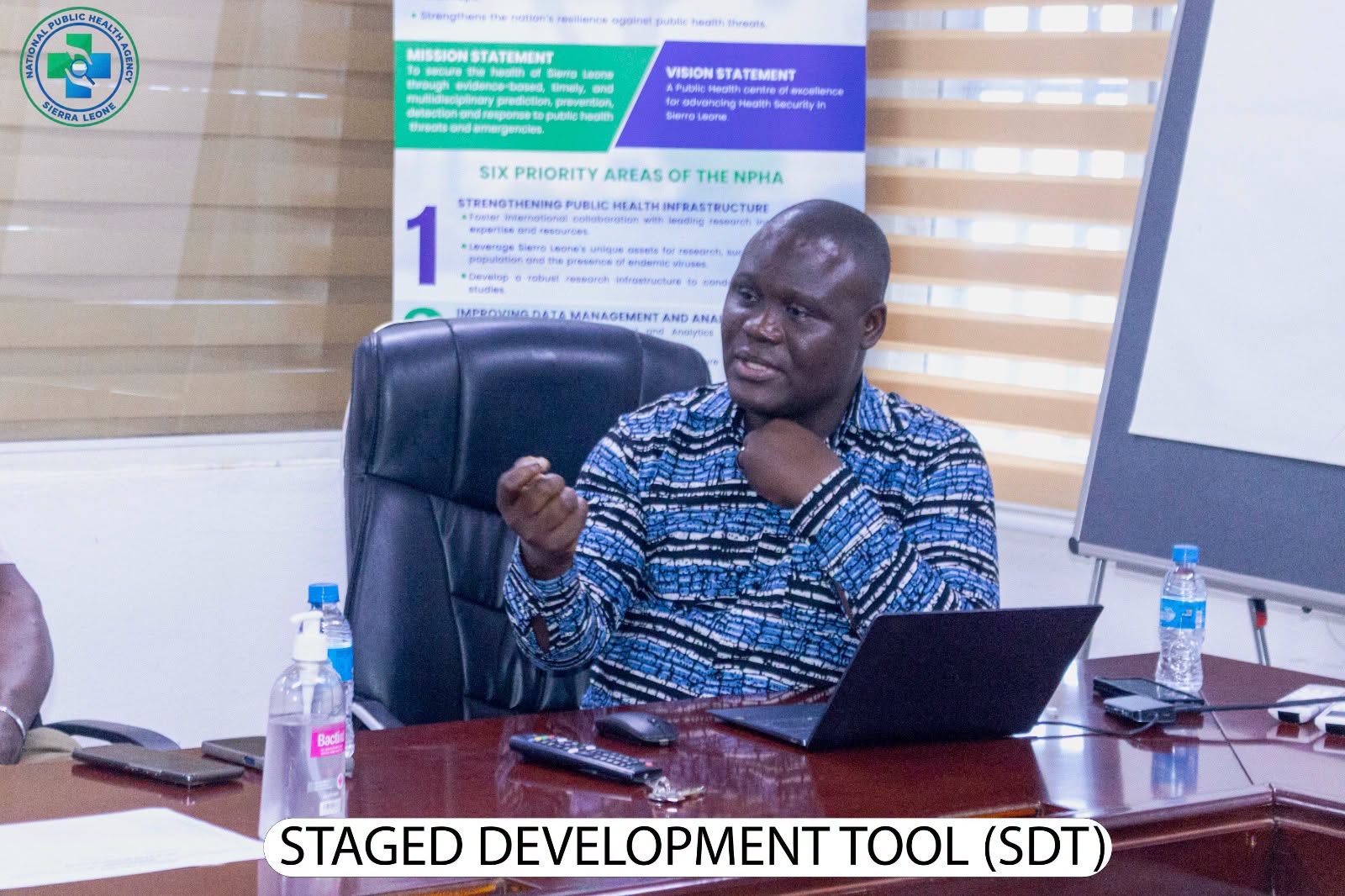
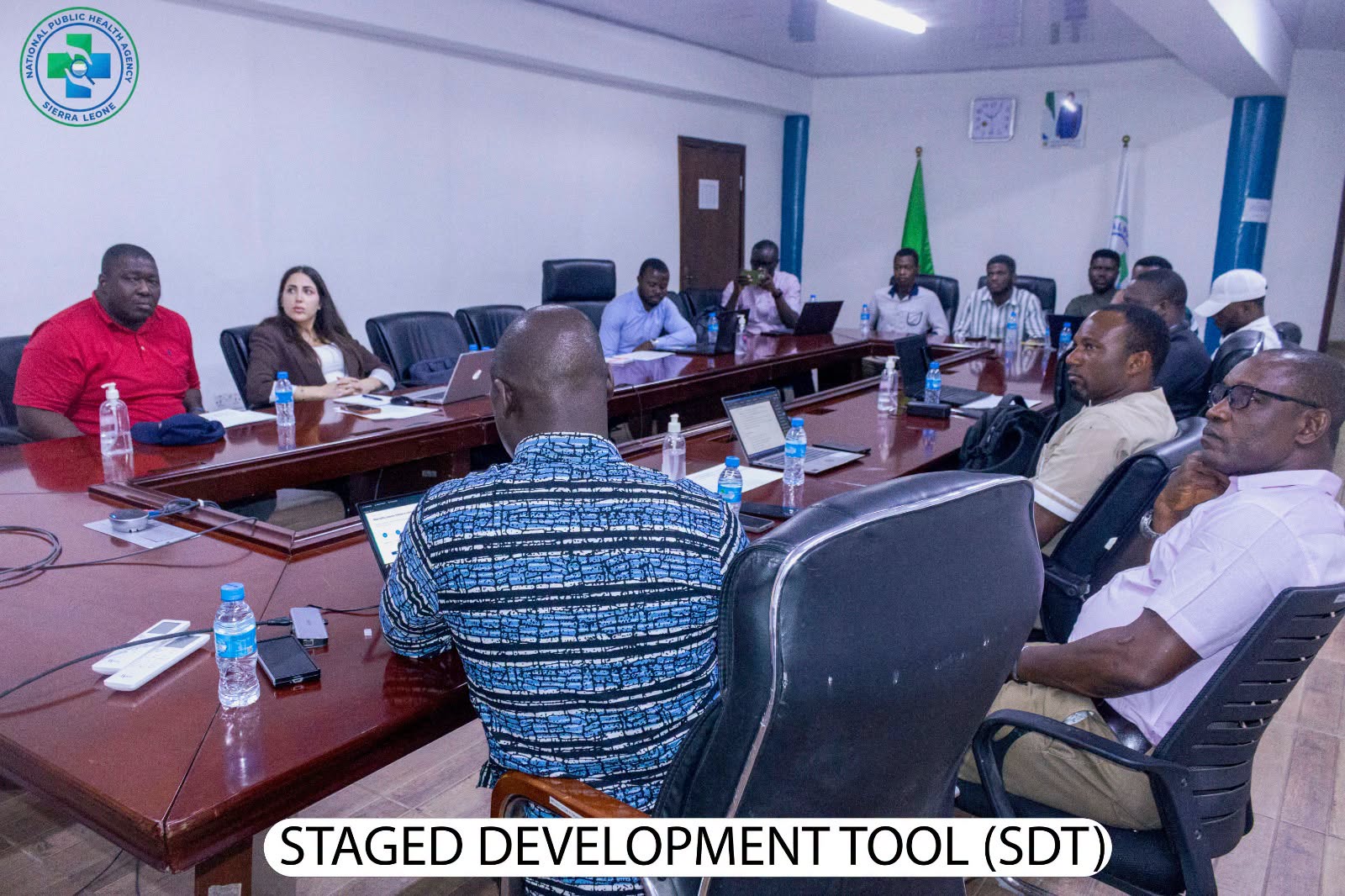
During the session, NPHA Director of ICT Michael Kamara presented a prototype mortality dashboard, outlining features such as web and mobile accessibility, offline functionality for low-connectivity areas, real-time data analytics, and enhanced security protocols to safeguard sensitive information.



Discussions also incorporated findings from the Staged Development Tool (SDT) Report, enabling suppliers to align on technical architecture and system integration pathways.
The planned system is expected to strengthen national capacity to register, monitor, and analyse mortality data, thereby supporting evidence-based decision-making across the health sector. It builds on recent digital health reforms, including the launch of Sierra Leone’s National Health Information Hub in January 2026, which integrates data streams and provides real-time insights into key health indicators.

The push for a dedicated mortality surveillance system comes amid persistent challenges in death registration. Current estimates indicate that only about 13.4 percent of deaths in Sierra Leone are fully registered, with limited certification of causes of death constraining accurate health analysis and policy planning. Authorities have attributed this gap to systemic weaknesses in reporting and coordination between institutions.
To address these issues, the Ministry of Health, the National Civil Registration Authority (NCRA), and international partners such as the World Health Organisation have been working to institutionalise the Medical Certification of Cause of Death and adopt the WHO’s International Classification of Diseases (ICD-11). The NPHA system is expected to integrate with these frameworks, improving interoperability and data reliability.
The initiative also aligns with ongoing surveillance improvements led by the NPHA, including enhancements to the electronic Integrated Disease Surveillance and Response (eIDSR) system, which has increased reporting rates across health facilities nationwide.
Once implemented, the digital mortality platform is expected to provide a more comprehensive and timely understanding of death trends in Sierra Leone, enabling policymakers to design targeted interventions, allocate resources more effectively, and strengthen overall health governance.