

Government Pushes Teacher Education Reform to Strengthen Learning Outcomes
 Aminata Koroma
 The Ministry of Technical and Higher Education (MTHE) has intensified efforts to reform teacher education as part of broader government plans to improve learning outcomes and align the sector with national development priorities.
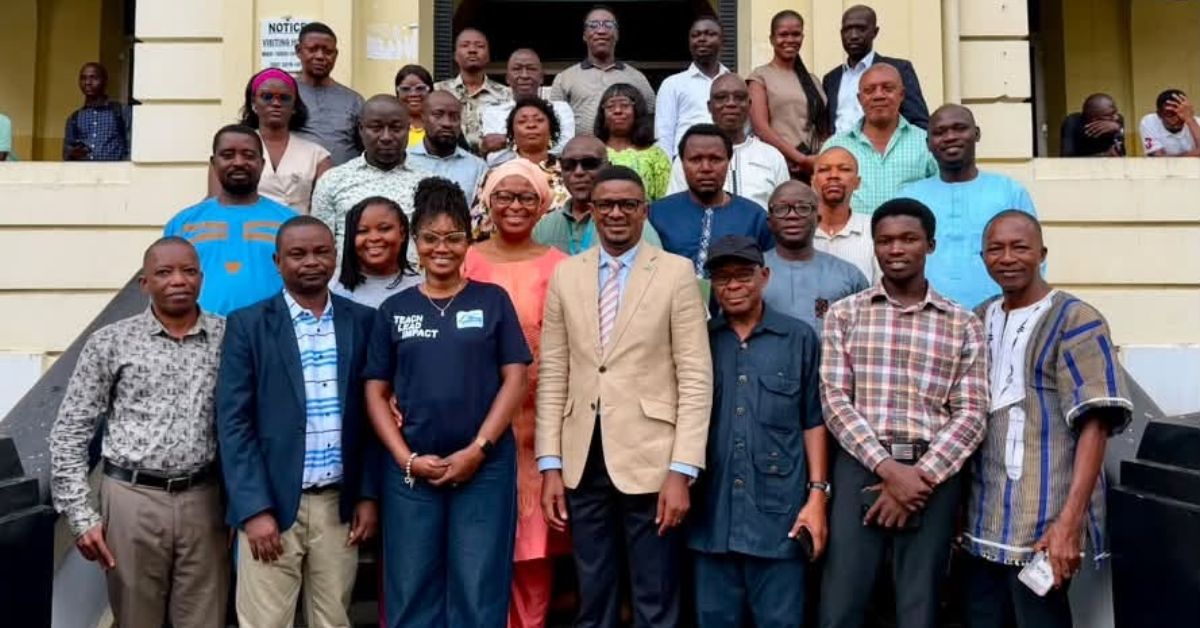
In collaboration with UNICEF, the Ministry convened a national consultation in Freetown to drive reforms in pre-service teacher training, positioning it as a critical foundation for delivering quality education across Sierra Leone.
Speaking at the consultation, Deputy Minister of Technical and Higher Education, Sarjoh Aziz-Kamara, stressed the government’s commitment to overhauling teacher education to meet the demands of a rapidly evolving global landscape.

He noted that ongoing work on the country’s next Education Sector Plan provides a strategic opportunity to embed teacher education reforms within national priorities. According to him, advancements in technology, particularly artificial intelligence, require a new generation of teachers equipped with modern skills and competencies.



The Deputy Minister highlights the need for stricter regulation of teacher training institutions, warning against unaccredited programmes operating outside established standards. He stressed that government is prioritising approved curricula and national quality benchmarks to ensure that all teacher graduates are adequately prepared to deliver the national school curriculum.
He further described teacher education as a continuous professional process, noting that government reforms will focus on preparing teachers to respond to emerging challenges such as pandemics, conflicts, and other disruptions to education.
Aziz-Kamara also highlighted ongoing progress in teacher licensing led by the Teaching Service Commission (TSC) and acknowledged initiatives such as the “Leh Wi Lan School Leadership Programme,” which he said are strengthening leadership across schools. He reaffirmed government’s commitment to improving Technical and Vocational Education and Training (TVET) teacher preparation as part of efforts to boost youth employment and national development.
Reinforcing the Ministry’s position, Deputy Chief Technical and Higher Education Officer, Sia Fasuluku, described pre-service teacher education as the cornerstone of quality learning outcomes.
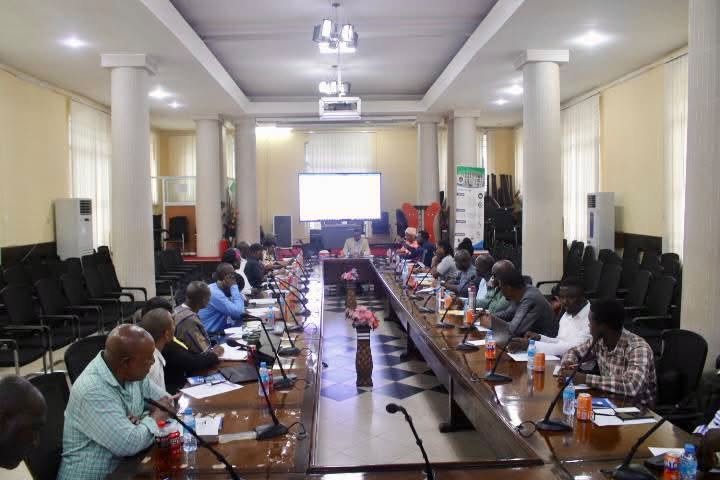
She said government consultations with stakeholders have established consensus that reforms must begin with stronger initial teacher preparation. According to her, teachers entering classrooms must be equipped with the knowledge, skills, and confidence needed to deliver effective instruction from the outset.
While acknowledging the importance of in-service training, Fasuluku maintained that it cannot fully compensate for weak foundational training, stressing the need for comprehensive reforms across teacher training institutions.
Government’s reform agenda also places strong emphasis on quality assurance. Manager of Academic Audit and Institutional Affairs at the Tertiary Education Commission (TEC), Emmanuel Thinka-Kamara, said strengthening accreditation systems and enforcing standards will be central to ensuring teacher quality nationwide.
He identified curriculum reform, improved data management, stakeholder coordination, and effective accreditation as key pillars supporting the Ministry’s vision for teacher education.
Other education stakeholders echoed the Ministry’s call for a more coordinated system linking pre-service and in-service training. The Teaching Service
Commission disclosed ongoing work on a Continuous Professional Development Framework designed to bridge existing gaps in teacher training.
The consultation also drew attention to challenges affecting teacher supply, including declining enrolment in education programmes, inadequate teaching resources, and weak infrastructure in key subject areas such as science.
Despite these challenges, government officials and partners expressed confidence that the ongoing consultation will inform the development of a National Teacher Education Reform Roadmap.
The roadmap is expected to guide long-term reforms focused on strengthening teacher preparation, improving professional standards, and ultimately delivering better learning outcomes for children across Sierra Leone.