
“SLPP Will Never Leave Power” – Sylvia Blyden Warns Over Proposed Presidential Election Clause
 Aaron Parker
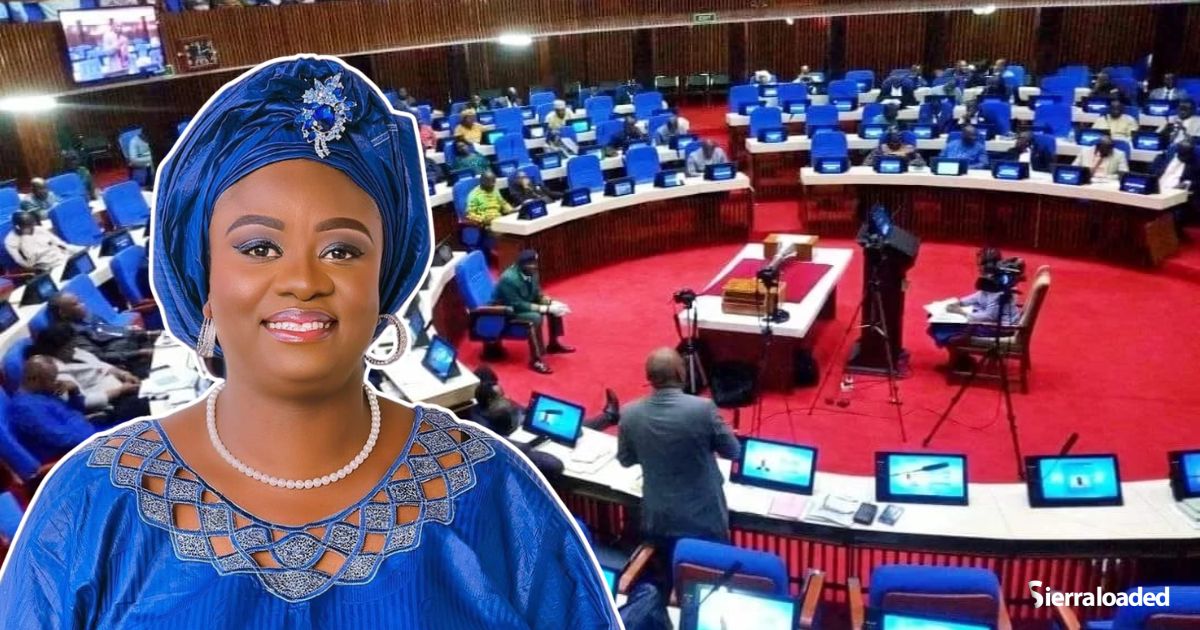
 Prominent opposition politician and social commentator Dr. Sylvia Olayinka Blyden has raised strong concerns over a proposed constitutional provision that she said allow a presidential candidate to win an election by a simple majority.
In a statement dated Sunday, August 9, 2026, Blyden warned citizens about what she described as a “very dangerous situation” expected to be put to a vote in Parliament.
According to Blyden, the clause does not expressly provide for the 50%+1 threshold required for a presidential candidate to secure victory, arguing that references by other public figures to the 50%+1 principle could be creating confusion over the actual wording of the proposed provision.

She specifically criticised Keketoma Sandi and Cee Bah, accusing them of using videos in which the Attorney General referenced the 50%+1 principle to distract the public from what she considers the real implications of the proposed clause.


Blyden further warned that if the provision becomes law, it could give the ruling Sierra Leone People’s Party (SLPP) an enduring advantage in presidential elections.
“If this clause becomes Law, SLPP will never again leave the Presidency,” Blyden alleged, warning that the party could continue winning elections and eventually become less accountable to voters.
She also expressed concern that such a development could weaken democratic checks and balances and create conditions for authoritarian rule.
Blyden called on members of Parliament, particularly those representing the All People’s Congress (APC), to oppose the proposed provision if they believe it undermines the interests of citizens and the country’s democratic system.
In a highly charged conclusion to her statement, she called on supporters to condemn APC MPs who vote in favour of what she described as the “danger clause,” invoking divine punishment against lawmakers who, she alleged, could be influenced by money or promises.
Her comments come amid ongoing public debate over proposed electoral and constitutional provisions, with questions being raised over the presidential election threshold and the potential implications for future elections.
The proposed clause is expected to be subjected to parliamentary consideration and voting, with its precise wording likely to remain central to the debate.
South Africa is led by a single party since independence, and are still described as vibrant democratic state. This allegation could also mean that APC fears this 50 +1 vote because it doesn’t have a national character. Ghana in the subregion has enjoyed stable democracy using 50 +1 vote results