

Female Caucus President Songa Challenges CPA Africa Over Low Women’s Representation
 Sia Lucy Kannah
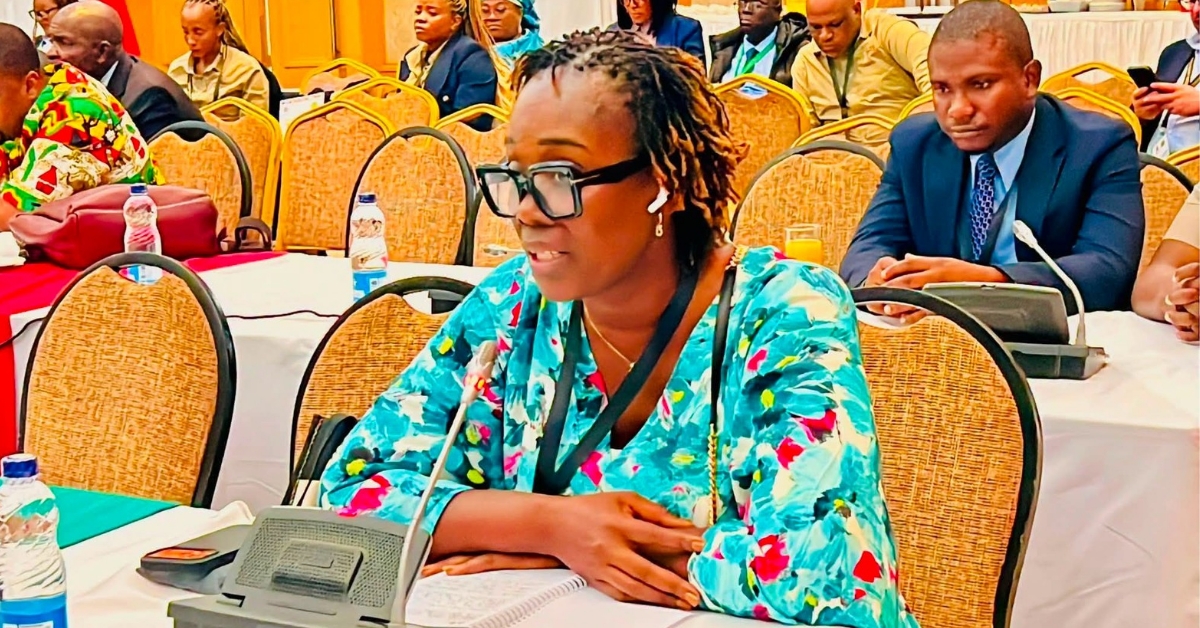
 The President of the Sierra Leone Parliamentary Female Caucus and Chairperson of the Parliamentary Health Committee, Hon. Bernadette Wuyatta Songa, has called on the Commonwealth Parliamentary Association (CPA) Africa Region to take decisive action to increase women’s representation in parliaments across the continent.
Songa made the call on Thursday, August 13, 2026, while speaking at the 55th CPA Africa Regional Conference in Lilongwe, Malawi.
She urged the CPA to move beyond delays and adopt a deliberate and measurable approach to advancing women’s participation in parliamentary leadership and decision-making.

Songa noted that several issues and recommendations raised during previous CPA engagements remain unaddressed, particularly the implementation and domestication of laws agreed upon at the regional level.
“Most of the laws proposed at the CPA are not implemented at all,” she said. “The CPA has ratified most of these laws, but they have not been domesticated.”
She called on CPA member states and parliamentarians to prioritize the domestication and implementation of ratified laws, while also increasing public awareness to help citizens understand commitments made at the regional level.
Turning to emerging digital challenges, Songa said cybersecurity threats and digital disinformation should not be treated solely as government concerns, but as issues requiring collective action.
She urged the CPA Africa Region to adopt a more coordinated and systematic approach to addressing cybersecurity threats and the spread of disinformation.
Songa further called on the CPA to establish a mechanism for verifying which member countries have domesticated and implemented laws ratified through the association.
She also urged the region to assess which countries have enacted the Gender Equality and Women’s Empowerment (GEWE) law, saying such monitoring would help ensure that commitments to women’s empowerment are sustained, implemented and measurable.
Songa emphasized that stronger accountability and implementation mechanisms are necessary if regional commitments on gender equality and women’s participation in governance are to produce meaningful results.