

FCC Advances Low-Sodium School Meal Policy to Promote Healthier Eating
 Aminata Koroma
 The Freetown City Council (FCC) is taking steps to promote healthier eating habits among schoolchildren by developing a pilot policy to reduce sodium consumption in municipal schools.
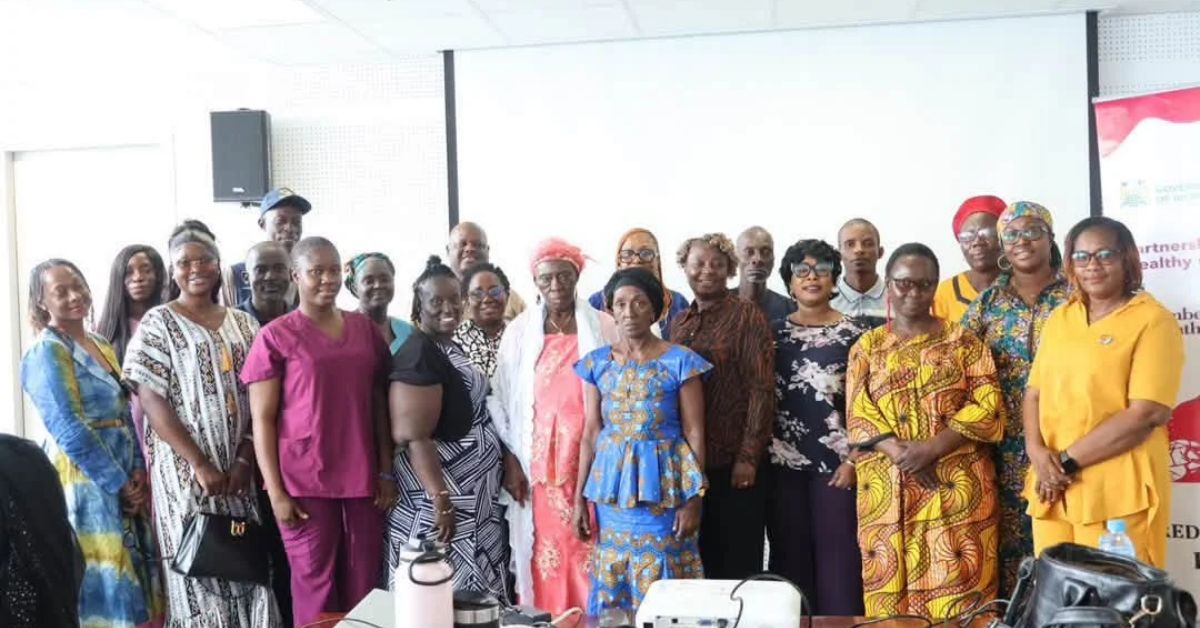
With Parene Health Care, the initiative moved forward yesterday with a technical stakeholder review of the proposed School Sodium Reduction Pilot Policy.
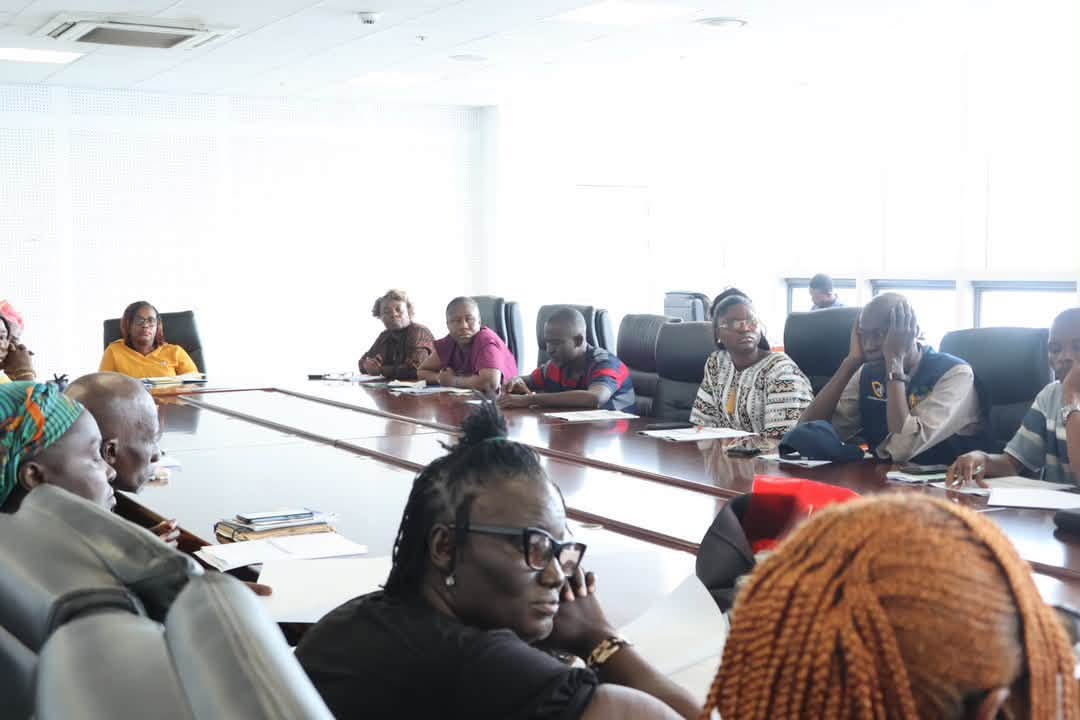
The session brought together representatives from the health and education sectors, the World Health Organisation (WHO), the Consumer Protection Commission, school food vendors, School Management Committees and the FCC Education Department to examine and strengthen the proposed guidelines.

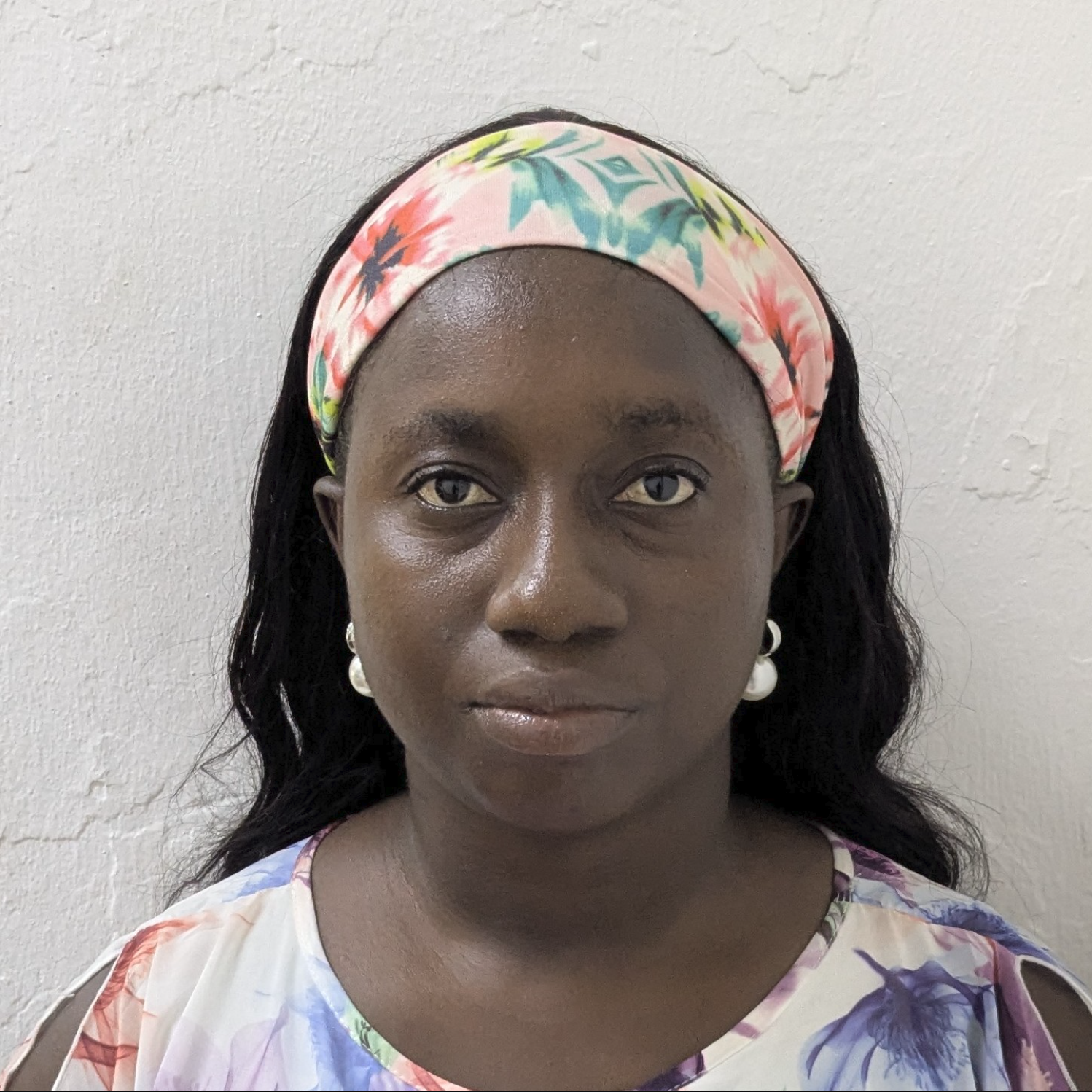
Presenting the draft “Freetown City Council Low-Sodium Meal Guidelines for School Food Vendors,” FCC Nutritionist Consultant Dr Aminata Koroma outlined practical measures to promote healthier food choices, control sodium intake and improve food safety and hygiene within schools.


The pilot programme is expected to be implemented in six municipal schools across Freetown’s East, Central and West End, with the ambitious target of reducing pupils’ sodium intake by 15 per cent, in line with WHO recommendations.
Beyond the nutritional objectives, the stakeholder review also focused on practical challenges that could affect implementation. Participants stressed the need for school vendors to maintain proper standards of personal appearance and ensure that food is prepared, handled and presented safely and attractively.
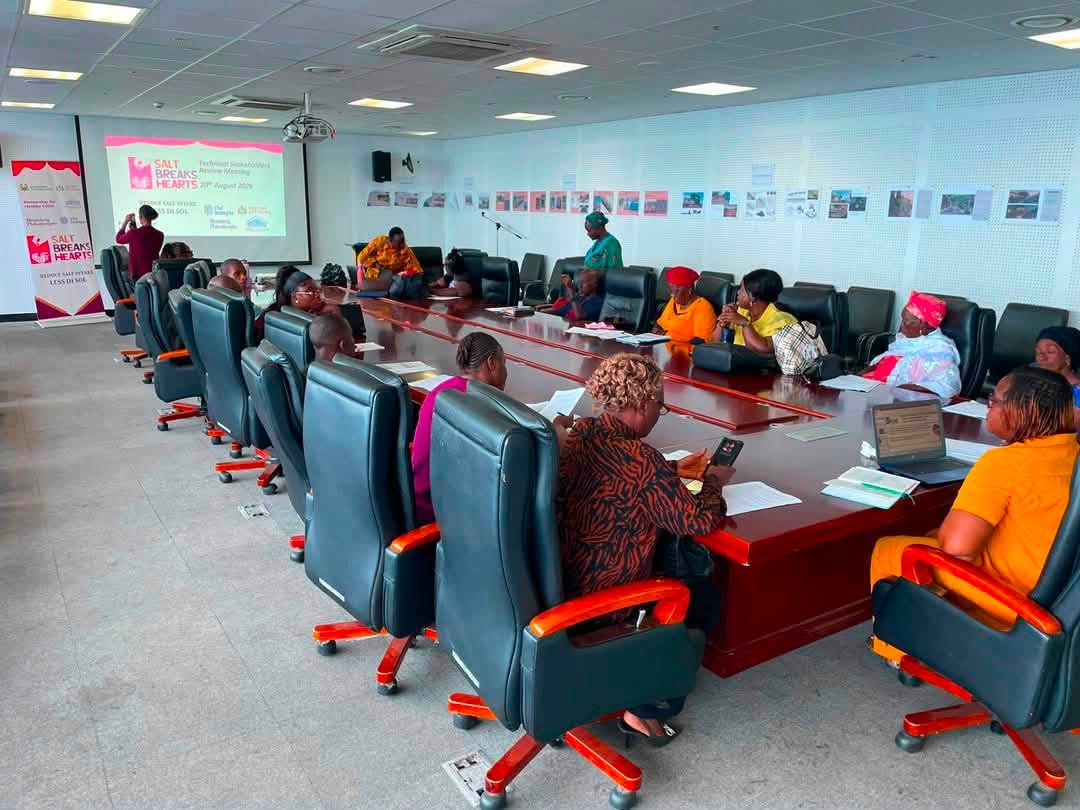
Vendors, meanwhile, raised concerns about unregistered food sellers operating around schools, calling for stronger coordination, monitoring and regulation to ensure that all vendors meet established health and safety standards.
The FCC says further consultations will be held with schools, vendors and relevant Ministries, Departments and Agencies before the proposed policy is submitted to Councillors for consideration and possible adoption at a future Council sitting.
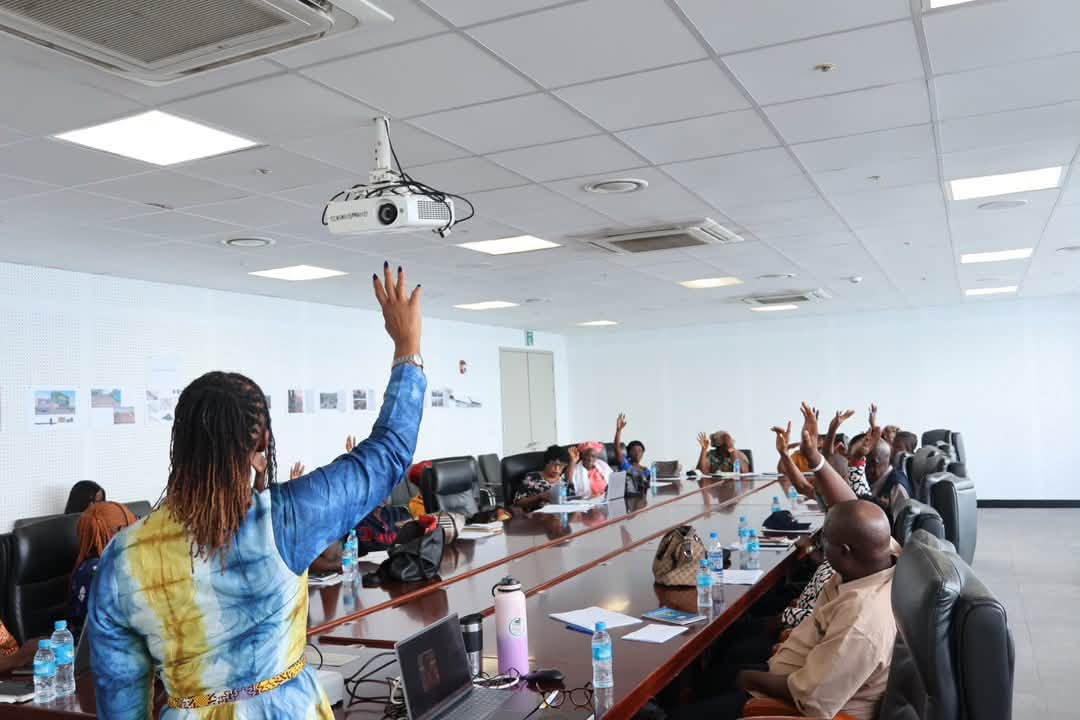
The initiative forms part of FCC’s broader efforts to create healthier food environments for children in Freetown, with support from Partnership for Healthy Cities, Bloomberg Philanthropies and Vital Strategies, alongside partner MDAs, stakeholders and Councillors.
If adopted and successfully implemented, the pilot could provide a framework for improving the nutritional quality of meals served in schools while helping to establish healthier eating habits among Freetown’s children.