
Government Takes Action to Tackle Land Ownership Crisis
 Osman Tolo Sesay
 Sierra Leone is advancing major reforms to modernize land administration through digital records, stronger development controls, decentralized planning and formal title registration, Minister of Lands, Housing and Country Planning Dr. Turad Senesi has said.
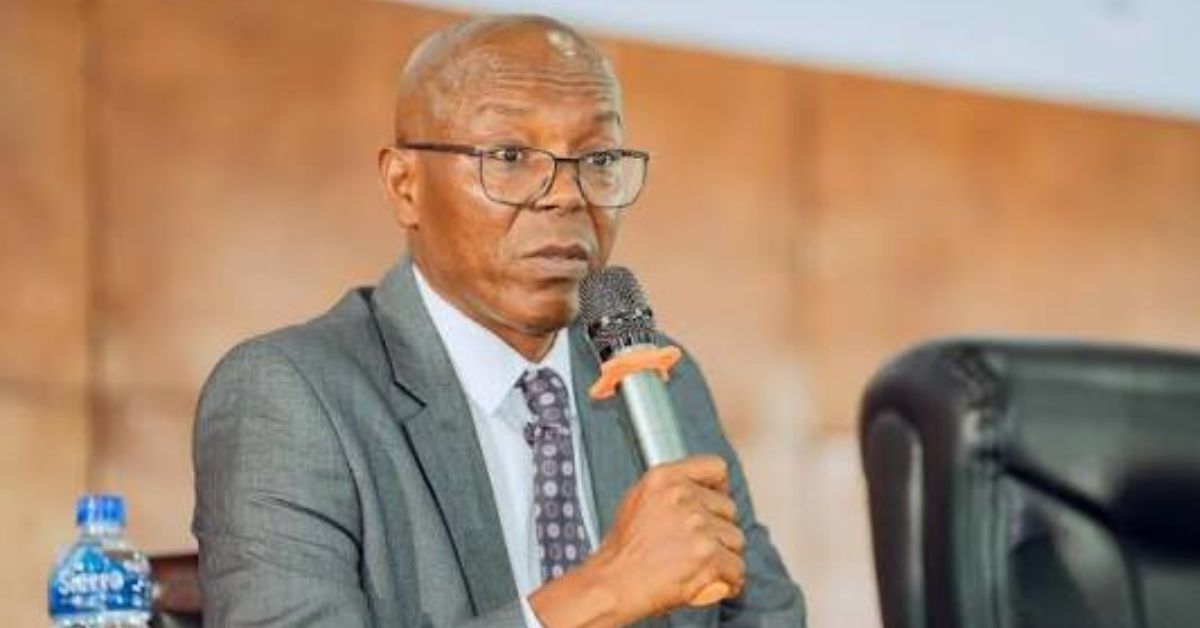
Speaking on September 8 at the Miatta Civic Centre in Freetown during a public engagement on “Land Reform – Where Are We?”, Senesi said the reforms seek to address longstanding challenges including land disputes, unplanned settlements and weak coordination in physical development.
He said the reforms will strengthen development controls to ensure construction considers essential infrastructure such as roads, drainage, sanitation, water and electricity. He also warned that poorly planned settlements can create public safety risks, particularly by limiting access for emergency services.

Senesi identified the National Country Planning Act as a key part of efforts to modernize planning regulations, while stressing that property owners and developers must obtain the necessary approvals, complete required assessments and use qualified professionals before construction.



The reforms will also increase the role of local councils in planning, with the ministry retaining responsibility for policy, legislation, regulations, monitoring and evaluation. Capacity-building programmes are being implemented to prepare council officials for their expanded responsibilities.
Senesi further highlighted digital land administration as a means of improving ownership verification, monitoring transactions and reducing fraudulent practices such as multiple sales of the same property.
The government is also moving towards title registration to provide greater certainty over land ownership and support legitimate property owners in accessing financing for investments, including large-scale agriculture.
According to Senesi, improved land administration could also increase government revenue and provide additional resources for national development.
He described the reforms as a long-term national effort requiring cooperation among government institutions, local councils, developers, property owners and communities, while urging citizens to comply with land and planning regulations and participate in the reform process.