


 Post a comment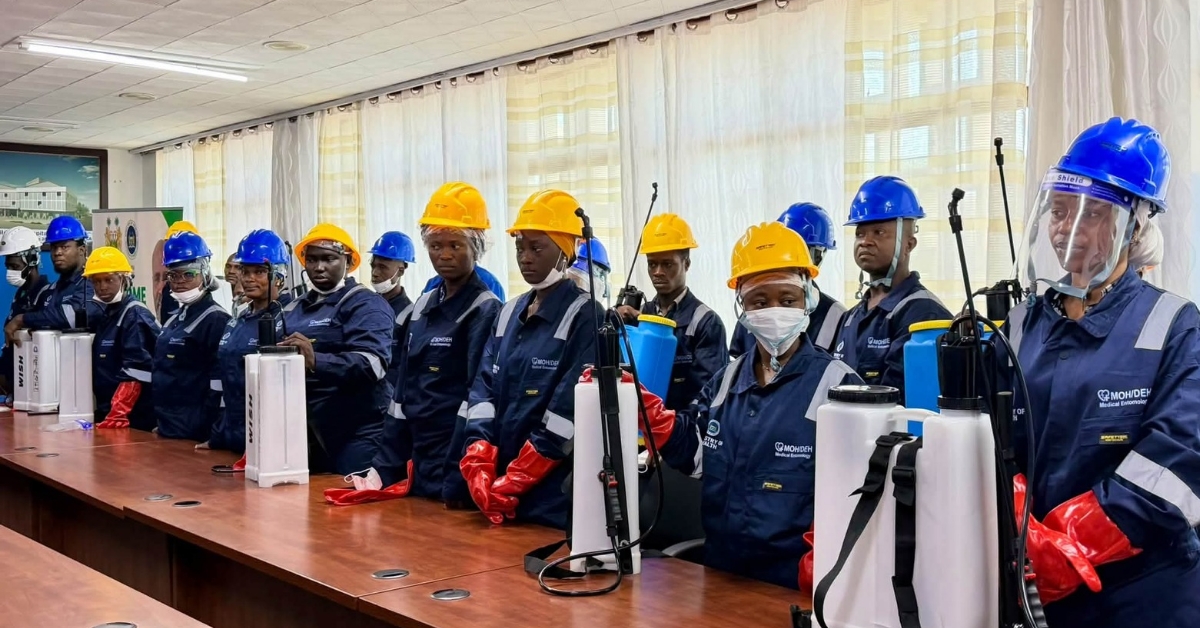
The Ministry of Health, through its Directorate of Environmental Health, has launched a comprehensive nationwide pest and disease control exercise targeting all public hospitals across Sierra Leone to eliminate preventable healthcare-associated infections and safeguard patients.
The initiative forms a core part of the ongoing flagship healthcare campaign, the 300 Days of Activism, which aims to drastically reduce maternal and child mortality across the country.
A total of 124 newly trained vector and pest control officers and supervisors are being deployed across the nation’s health facilities. Working alongside local hospital leadership, the teams will manage access, carry out thorough disinfections, and enforce strict safety standards before, during, and after each fumigation cycle.

Addressing the newly trained personnel ahead of their deployment, Chief Medical Officer (CMO) Dr. Mustapha Kabba called on the workforce to uphold high standards of professionalism and keep patient safety at the center of their operations.
“Fumigation is far more than a routine practice,” Dr. Kabba emphasized. “Together with proper healthcare waste management and environmental sanitation, it is one of the everyday protocols that keep hospitals free from infections that put mothers, newborns, and health workers at risk.”
According to data compiled under the 300 Days of Activism campaign, sepsis, a life-threatening systemic reaction triggered by infection, remains one of the primary drivers of maternal and child deaths in Sierra Leone. By pairing nationwide fumigation with routine hospital deep-cleaning and strengthened Infection Prevention and Control (IPC) measures, health authorities aim to directly target vector-borne pathogens and contamination sources that contribute to hospital-acquired infections.
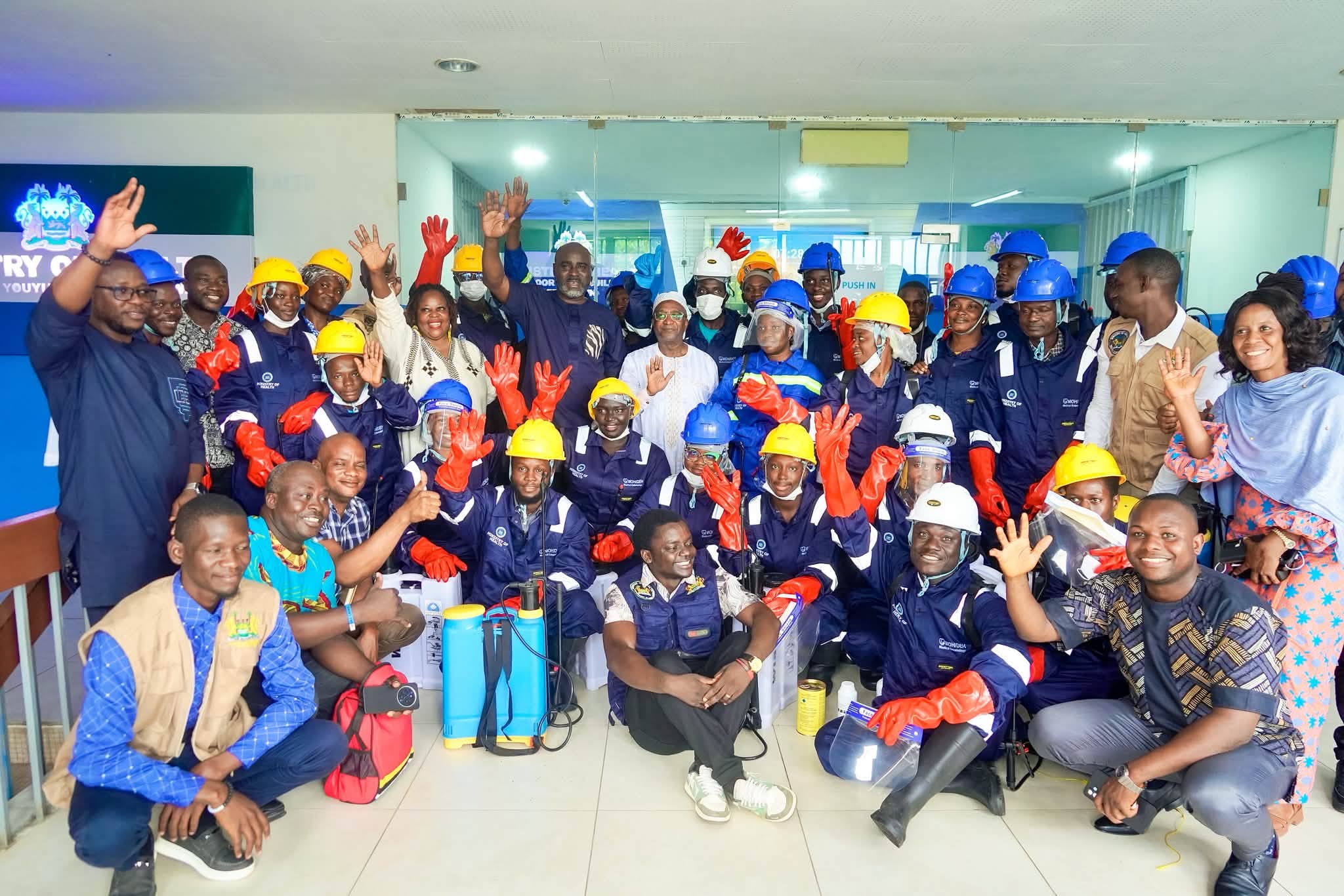
Ministry officials underscored that maintaining sanitary, vector-free clinical spaces is essential to achieving the country’s “Triple Zero” target: zero preventable maternal deaths, zero preventable newborn deaths, and zero health-worker infections.
With deployments now underway, the Ministry of Health expects the enhanced sanitation measures to establish a cleaner, safer baseline for clinical care nationwide, ensuring that every disinfected ward and properly handled waste system directly contributes to saving lives.


