

Economic Hardship: APC Member Opposes SLPP Government
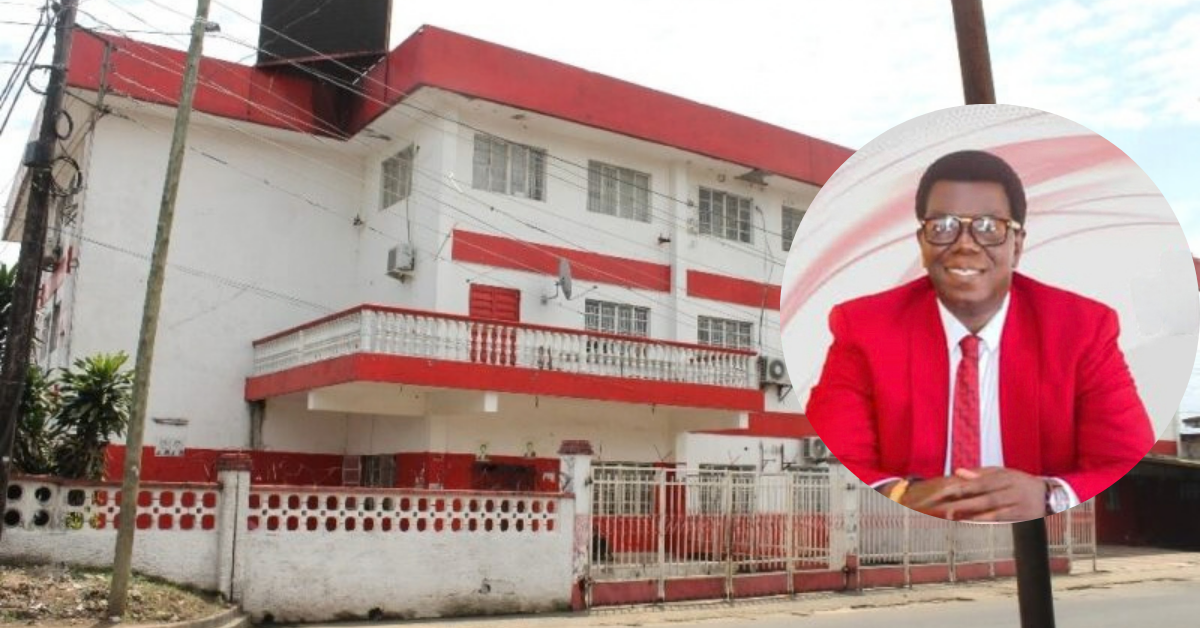
Economic hardship has become a central line of political criticism in Sierra Leone, with a member of the main opposition All People’s Congress (APC), Ahmad Salim Sesay arguing that rising living costs have weakened public confidence in the ruling Sierra Leone People’s Party (SLPP).
Sesay said the country’s economic difficulties since 2018 have affected people across political constituencies and claimed that even some supporters of the SLPP have become dissatisfied with the government’s performance.
The comments were presented as firsthand observations from the Sesay’s political and community engagements across constituencies nationwide. However, he did not provide survey data or other evidence establishing that SLPP supporters broadly share that view.

Official economic data show that Sierra Leone continues to face major price pressures. Statistics Sierra Leone reported annual consumer inflation of 15.66% in August 2026, up from 14.89% in July.

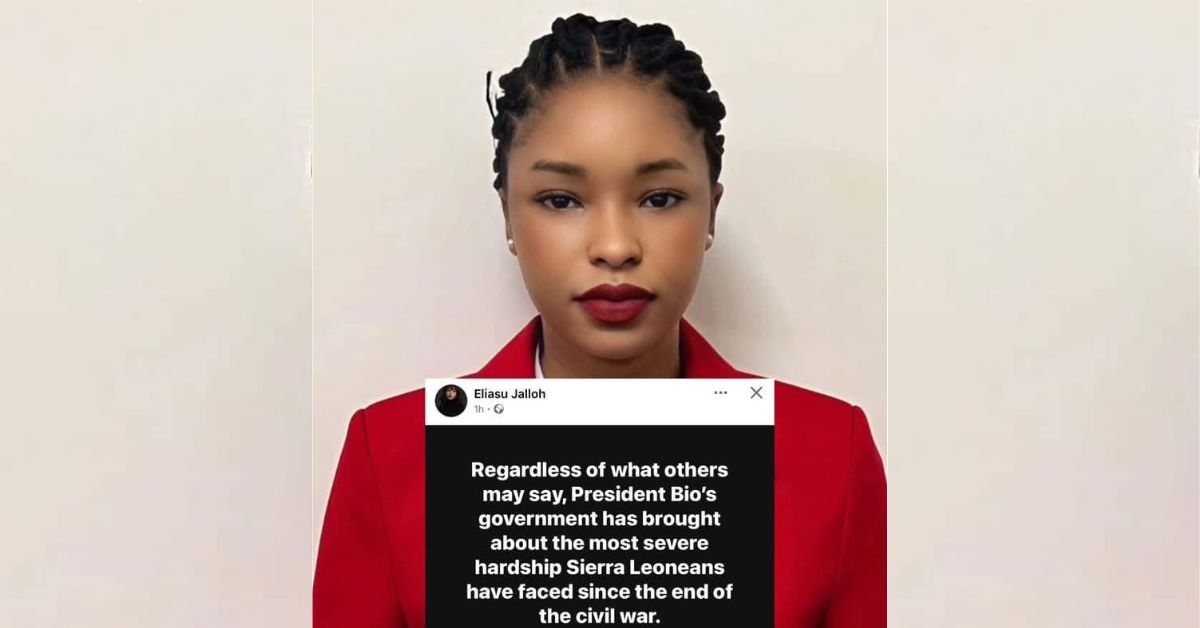
The inflation figures provide evidence of continued increases in the general price level, but they do not, by themselves, establish the political preferences or satisfaction levels of Sierra Leoneans.
Meanwhile, Sesay also characterised the SLPP administration as having failed to address hardship and accused the government of seeking to remain in power while conditions remain difficult. Those assertions are political claims and were not independently established by the evidence cited.
The World Bank estimates that Sierra Leone’s economy grew by 4.5% in 2025, after 4.4% growth in 2024, and projects another 4.5% expansion in 2026. It also reported that inflation had fallen sharply in late 2025 before rising again in 2026 amid higher fuel and other external costs.
The International Monetary Fund (IMF) similarly reported that economic growth reached 5% in 2025, while inflation rose from 4.4% in December 2025 to 10.8% in April 2026 following fuel-price increases and external economic shocks.
The figures, therefore, show both economic growth and persistent cost-of-living pressures, complicating broad claims that the economy has moved in only one direction.
The APC member criticised the government over what was described as its treatment of citizens and questioned its ability to govern effectively. No specific policy or amendment was identified clearly enough in the remarks to independently assess the related allegations.
Sierra Leone’s political environment remains closely tied to disputes between the SLPP and the main opposition APC. A 2026 Bertelsmann Transformation Index assessment said political polarisation and competing interests between the two parties have hindered cooperation on national priorities and contributed to delays in reforms.
The country’s post-2023 political process has also included efforts to address electoral and institutional disputes. A cross-party committee established after the 2023 election produced 80 recommendations covering electoral systems and management, although significant disagreements remained between the two major parties.
Against that backdrop, Sesay’s argument places economic hardship at the centre of a broader political critique, linking household pressures to public confidence in the governing party.
But the available economic evidence supports a narrower conclusion: Sierra Leone has experienced substantial inflationary pressure in 2026, while the economy has continued to record positive growth.