

Prisoners in Sierra Leone Rises Above 7,000 – Correctional Service Says
 Tolulope Aina
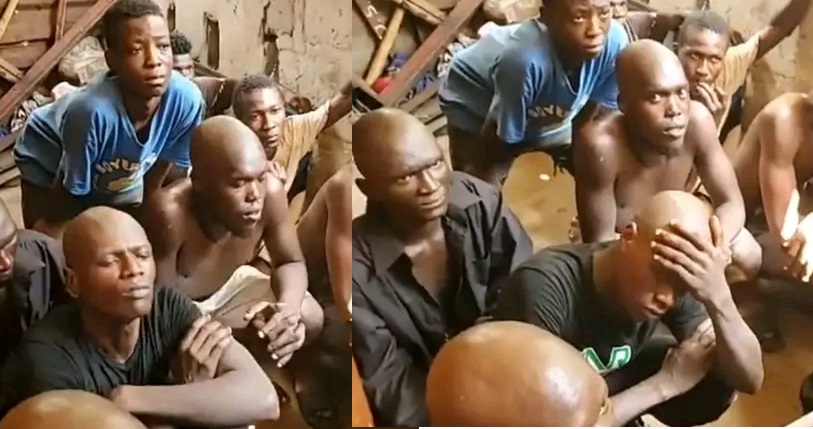
 More than 7,000 inmates are currently being managed by fewer than 2,000 correctional officers across Sierra Leone, according to the Sierra Leone Correctional Service (SLCS).
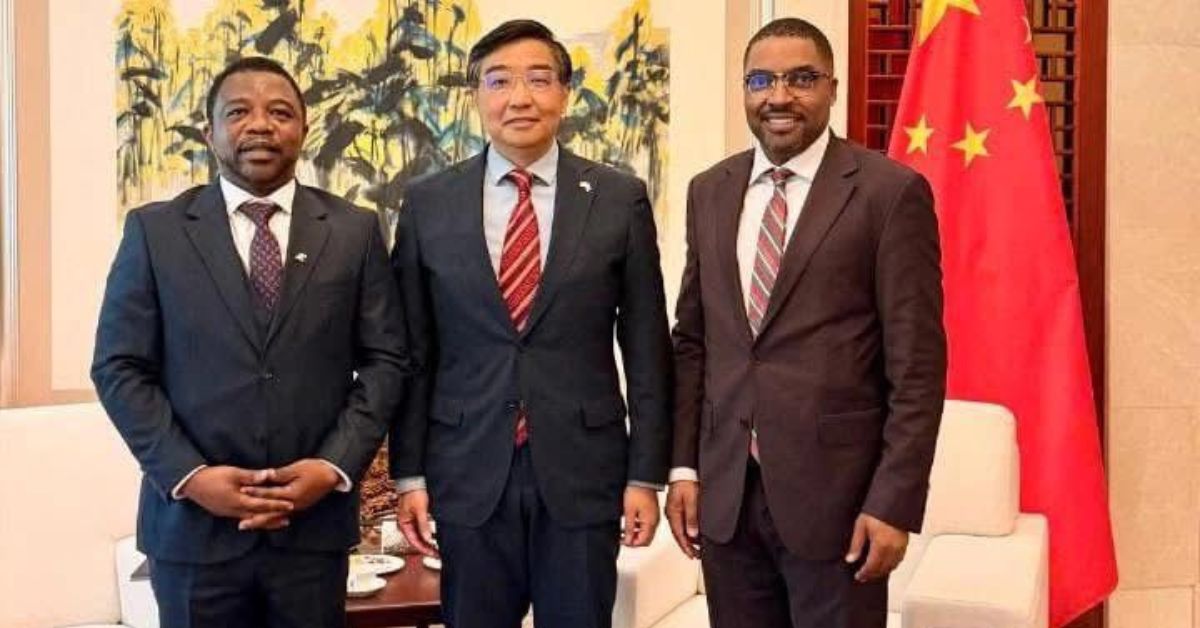
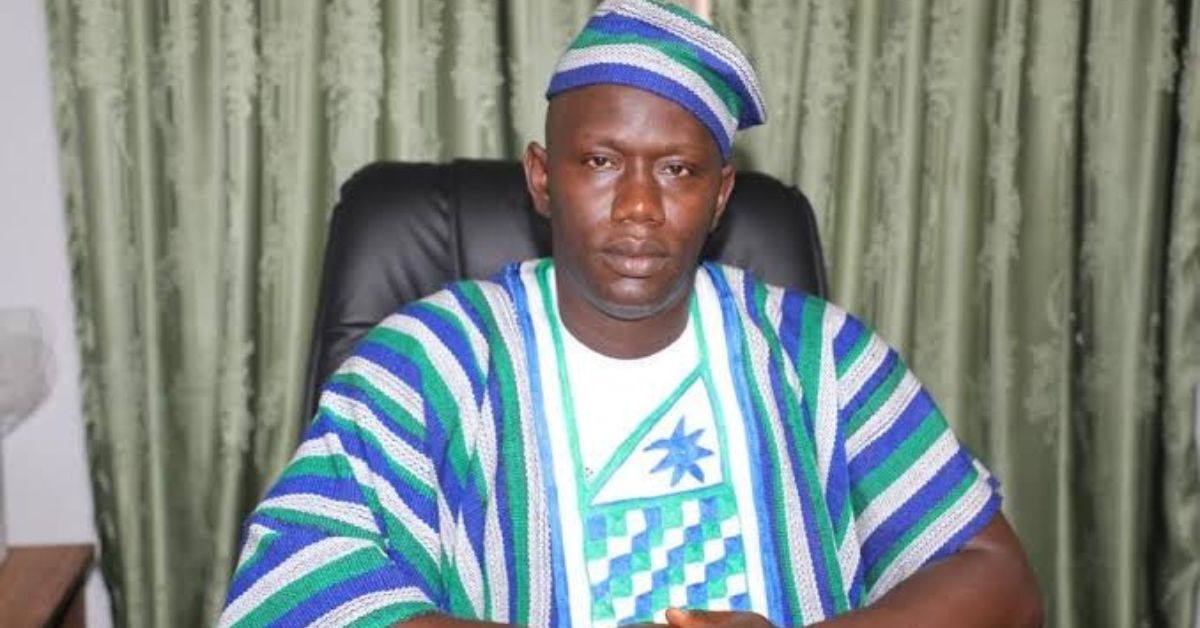
The figures were disclosed by SLCS Director General Joseph J. Senessie during the institution’s presentation at the 2027 Annual Bilateral Budget Hearing organised by the Ministry of Finance and the Ministry of Planning and Economic Development at the Miatta Civic Centre in Freetown.
Senessie said the gap between the country’s inmate population and available correctional personnel was putting considerable pressure on the Service and limiting its ability to effectively provide security, rehabilitation and other services to inmates.

The Director General appealed to the Government to approve the recruitment of an additional 1,500 correctional officers as part of efforts to improve the staff-to-inmate ratio and strengthen operations across the country.

The recruitment is included among the SLCS’s proposed priorities for the 2027 financial year. The Service has also proposed programmes focused on inmate rehabilitation, infrastructure development and the expansion of correctional facilities.
Sierra Leone’s prison population
The latest figure represents a substantial increase over previously published national prison population figures.
The World Prison Brief, using data supplied by the national prison administration, recorded 4,453 prisoners in February 2024, with the country’s correctional system officially designed to accommodate 2,495 inmates. That represented an occupancy rate of about 179 percent.
The United States Department of State had earlier reported that Sierra Leone’s 21 prisons held 5,561 people in August 2023, against an official capacity of 2,495. State Department
The new SLCS figure of more than 7,000 therefore indicates that the inmate population has risen significantly since those earlier assessments, although the Service’s latest statement does not provide a detailed breakdown by correctional centre or distinguish between convicted prisoners and people awaiting trial.
The issue is particularly significant because a large proportion of Sierra Leone’s prison population has historically consisted of people held on remand. World Prison Brief data showed that 51.1 percent of the prison population in February 2024 were pre-trial or remand detainees.
The SLCS identified overcrowding as one of its major challenges, particularly at the Freetown Male Correctional Centre, Bo Male Correctional Centre, Makeni Correctional Centre and Kenema Male Correctional Centre.
The situation at Pademba Road has been a longstanding concern.
The Freetown Male Correctional Centre was originally designed for about 324 to 346 inmates. In 2025, the Justice Sector Coordination Office reported that the facility was holding 1,509 prisoners, more than four times its intended capacity. JSCO
A 2024 audit also reported serious overcrowding at correctional facilities across the country. At the Kenema Male Correctional Centre, for example, the inmate population had increased from 782 to 952, while the four correctional centres in the Eastern Region had a combined capacity of only 455.
The Human Rights Commission of Sierra Leone’s nationwide monitoring of 20 correctional centres in 2025 similarly identified overcrowding as a major concern, alongside delays in trials, indictments and other justice-sector processes.
The staffing challenge is also not new. A 2024 Management and Functional Review of the SLCS indicated that the Service should have a staff strength of 3,550, compared with an actual strength of about 2,030. The Human Rights Commission subsequently reported that the Service had approximately 2,000 personnel and that fewer than half were managing correctional centres.
The SLCS’s request for 1,500 additional officers would therefore represent a significant expansion of the current workforce.
The Service previously received approval for the recruitment of 1,000 new correctional officers, which was expected to be implemented in phases, according to the Justice Sector Coordination Office.
However, the latest budget presentation indicates that funding and the formal insertion of recruits remain issues affecting implementation. Beyond recruitment, the SLCS is proposing the construction of new correctional centres in Lungi, Karene, Falaba, Bo and Makeni.
It is also proposing a hospital at the Freetown Male Reintegration Centre to serve inmates, correctional officers and surrounding communities. Another major proposal is the construction of a maximum-security correctional village and the eventual relocation of the Pademba Road facility from its current location.
The government has previously said that relocating Pademba Road is necessary because the existing site is unsuitable for a modern maximum-security correctional facility. Construction of additional detention cells at the facility began in February 2025 as part of interim efforts to address overcrowding.
In March 2025, the SLCS also reported ongoing construction at its facilities in Kissy Town, Waterloo, including schools, training centres, detention facilities and accommodation for correctional personnel.
The growing inmate population is also placing pressure on the Service’s welfare budget. According to the SLCS’s 2027 budget presentation, about 60 percent of its annual inmate welfare expenditure goes towards feeding prisoners. The Service is therefore proposing mechanised farming as one way of reducing its food costs and improving food security.
Farmland has reportedly been identified in Mafanta, Makari, Masanke, Kenema and Rolako for the planned agricultural activities.
The Service’s proposed recurrent budget for 2027 is NLe194.29 million, according to reporting on the budget hearing, against a ceiling of about NLe149.53 million. The 2027 programme also includes entrepreneurship training and other rehabilitation initiatives aimed at preparing inmates for eventual reintegration into society.