
Sierra Leone, Germany Move to Address Bottlenecks in Development Partnership
 Alusine Ahmed Kargbo
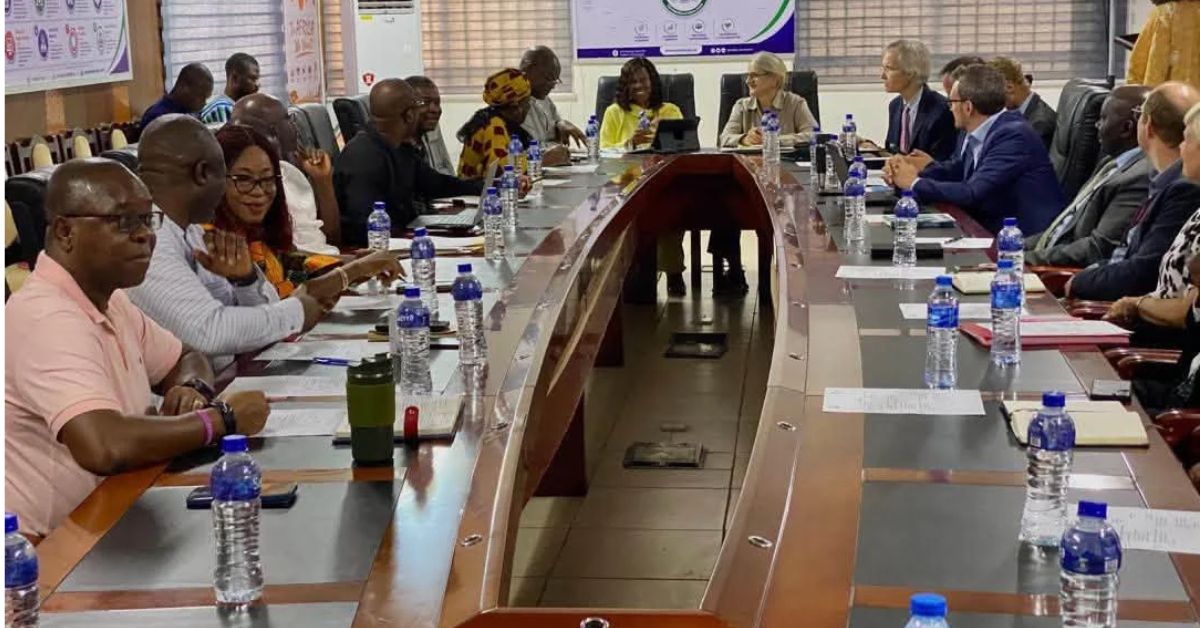
 Sierra Leone and Germany have reviewed challenges affecting their development partnership, with discussions focusing on customs delays, unpaid tax refunds, residence permit applications and the maintenance of roads built with German support.
The issues were discussed during a two-day government consultation that concluded on October 9, 2026, at the Ministry of Planning and Economic Development (MoPED) in Freetown. Officials from both countries also examined ways to improve coordination, strengthen accountability and ensure development commitments translate into practical results.
The meeting brought together government representatives, development partners and officials from institutions responsible for revenue collection, immigration, infrastructure and social development.

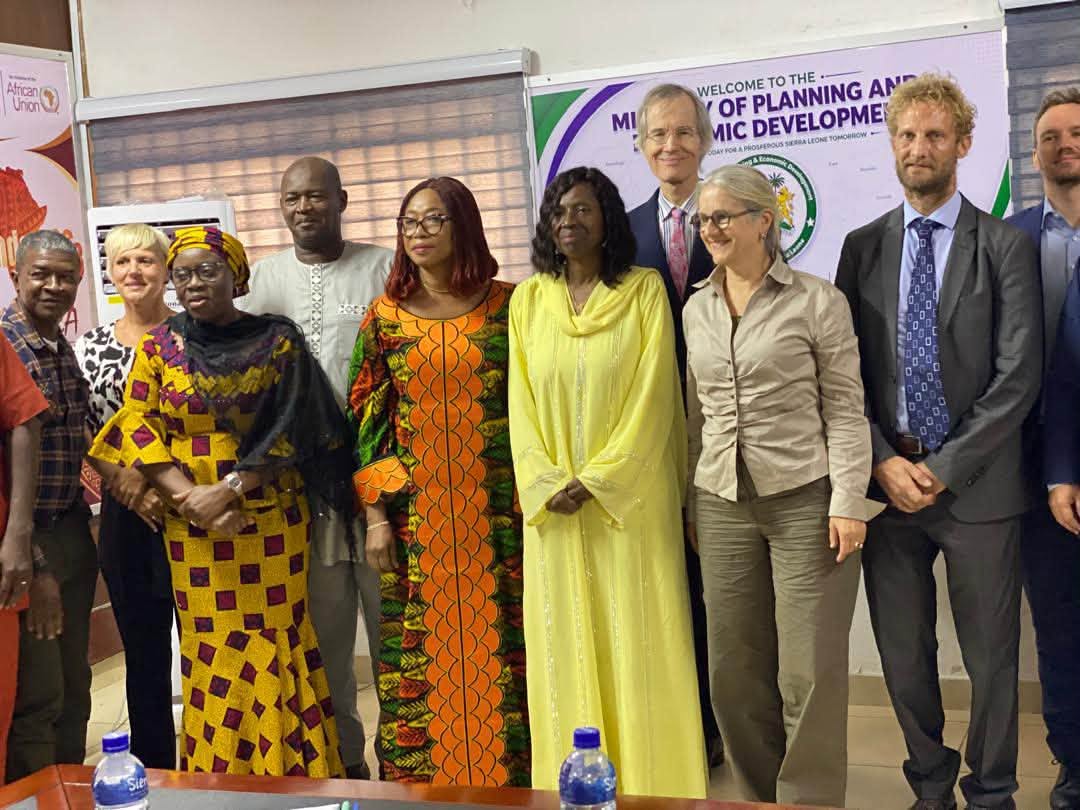

Customs clearance emerged as one of the major concerns raised by the German delegation. Karen Pfundt said the issue had also been discussed during bilateral negotiations in 2025, indicating that delays had remained a challenge.
According to Pfundt, all consignments belonging to the German Agency for International Cooperation (GIZ), Germany’s development cooperation organisation, had been delivered as of October 1, except for the personal belongings of a staff member working on a health project. The shipment had reportedly been awaiting clearance for more than six months.
GIZ Country Director Raphael Frerking said prolonged customs procedures were affecting both personal shipments and supplies intended for development projects, including medicines and vehicles. He explained that some consignments took several months to clear, despite an expected processing period of approximately two weeks.
Frerking added that the delays were also creating additional costs through demurrage charges, which apply when cargo remains at a port or terminal beyond the permitted period. He said these expenses were reducing funds that could otherwise be directed towards development activities.
Edwin Conteh of the National Revenue Authority (NRA) acknowledged the need to improve coordination between the relevant institutions. He said a proposed Single Window system could simplify customs procedures and indicated that the outstanding shipment would be escalated for further attention. The NRA would also follow up with the Ministry of Finance.
The German delegation also called for progress on outstanding Goods and Services Tax (GST) refunds estimated at Le6.3 million. The claims relate to transactions carried out between 2023 and 2025.
Conteh said the NRA had completed the reconciliation process and forwarded the relevant information to the Ministry of Finance. Pfundt requested a clear timetable for payment by the end of October 2026.
Frerking said resolving the outstanding claims was important for completing GIZ’s project closure procedures and final financial reporting to Germany’s Federal Ministry for Economic Cooperation and Development.
Delays in residence permit applications were another issue raised during the meeting. Pfundt called for simpler procedures, while Frerking said some applications had remained unresolved for months. He noted that such delays could create difficulties for staff who needed to travel or respond to medical emergencies.
Patricia M. Kargobai, a senior immigration officer and head of the Foreign Nationals Unit, explained the procedures and challenges involved in processing residence permits. Participants discussed the need for improved communication and coordination to help resolve pending applications more efficiently.
The consultations also examined how Sierra Leone could better maintain roads constructed or rehabilitated with German assistance.
Dr. Susan Robert, deputy commissioner of the National Commission for Social Action (NaCSA), expressed appreciation for Germany’s support and said she hoped the partnership would contribute to the construction of additional roads. She also highlighted the importance of the food chain in supporting livelihoods.
German delegation member Dr. Pascal Richter, however, raised concerns about the condition of roads supported by Germany, saying some were deteriorating too quickly. He called for stronger local ownership and sustainable maintenance arrangements to keep the roads usable over a period of five to 10 years.
Richter also stressed the importance of linking feeder roads to major routes and ensuring that financial and technical support considered long-term maintenance requirements.
Robert attributed some of the difficulties to limited funding. She said the Road Maintenance Fund Administration (RMFA), which finances road upkeep through fuel levies, was reportedly receiving only three cents per litre instead of the expected 30 cents. According to her, resources had been diverted to address fuel subsidy pressures, leaving less money available for road maintenance.
The discussion highlighted concerns about the sustainability of infrastructure investments and the need for reliable financing to protect roads from deterioration after construction or rehabilitation.
Minister of Planning and Economic Development Kenyeh Barlay said successful development cooperation required consistent collaboration beyond formal meetings. She called for stronger information-sharing among institutions at national, district and chiefdom levels.
Barlay also identified weaknesses in the systems used to monitor and report development activities. She explained that MoPED maintained separate databases covering nongovernmental organisations, monitoring activities and public investment. She called for these systems to be consolidated using common indicators to improve coordination and track results more effectively.
Richter acknowledged that political and procedural challenges had affected Germany’s support for development coordination. He suggested taking a broader approach that involved other partners, including the European Union, to strengthen cooperation and address shared priorities.
Sierra Leone’s Blue Economy agenda also featured in the discussions. Barlay said the government had promoted 10 investment-ready projects to encourage private-sector participation. She emphasised the importance of mobilising funding and building partnerships to advance the country’s development objectives.
The meeting also addressed concerns surrounding the shadow fleet issue. Former German Ambassador to Sierra Leone Jens Kraus-Massé said Germany regarded the matter seriously and expected continued engagement on concerns raised by European partners.
Barlay said the government of Sierra Leone was treating the issue with the utmost seriousness, while warning that misinformation was also circulating. The exchange underscored the importance of continued communication between the two countries.
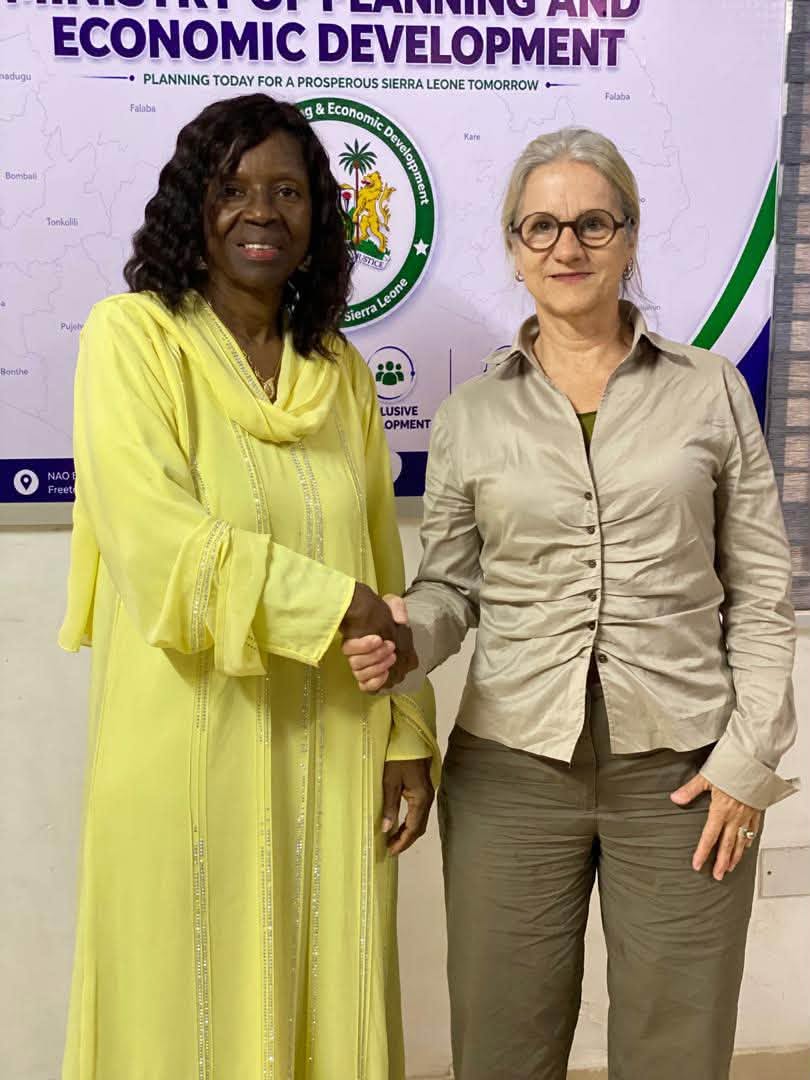
The consultations were chaired by Acting Development Secretary Usman Cherry Conteh and attended by representatives from MoPED, the German delegation, GIZ, KfW Development Bank, the NRA, the Immigration Department and NaCSA.
In her closing remarks, Barlay thanked the German delegation for its continued partnership and stressed that development cooperation should lead to measurable improvements in the lives of Sierra Leoneans. She highlighted transparency, accountability and the importance of turning commitments into practical outcomes.
Pfundt commended Sierra Leone’s efforts in development planning and reaffirmed Germany’s commitment to working with the government to address implementation challenges and make effective use of available resources.
The German delegation also proposed that future consultations adopt a more strategic approach, concentrating on two or three major priorities to guide cooperation and help both sides focus on key challenges.
The next round of Sierra Leone–Germany government consultations is expected to take place in April or May 2027.