

Agriculture Ministry Warns of AMR Threat to Food Security in Sierra Leone
 Sahid Bangura
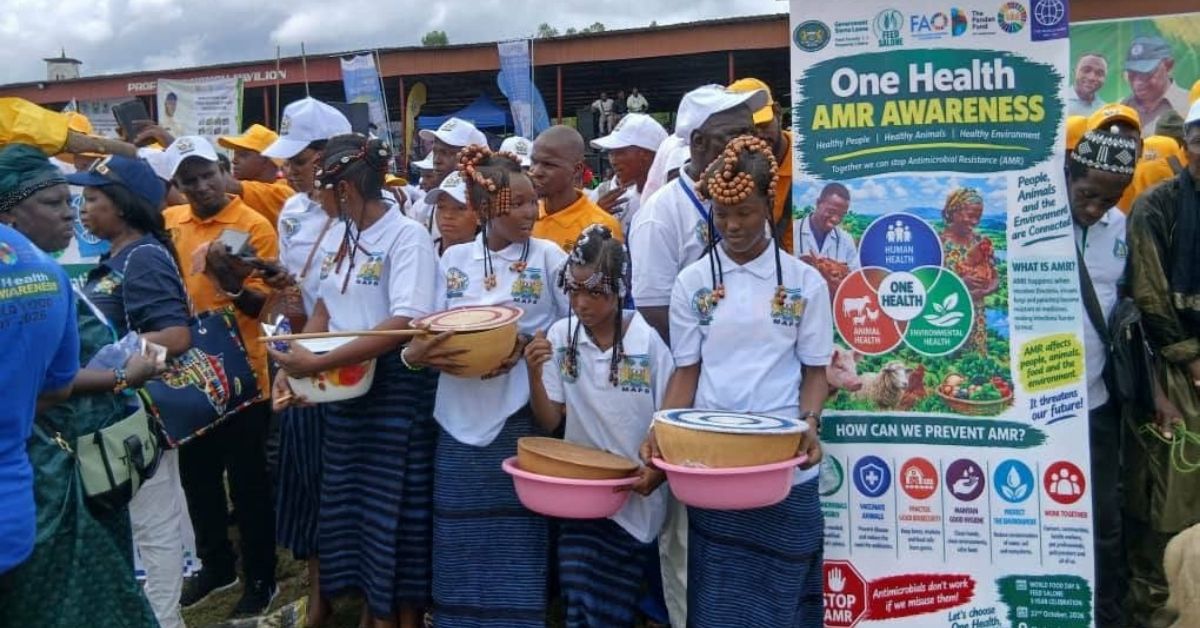
The Ministry of Agriculture and Food Security has called for stronger measures to combat antimicrobial resistance (AMR), emphasising the need for a coordinated One Health approach to protect human and animal health and safeguard food security.
The call was made during the commemoration of World Food Day in Magburaka, where the Director of the Livestock and Veterinary Services Division, Saidu Bamayange, highlighted the threat posed by AMR and the importance of responsible antimicrobial use.
Bamayange said the spread of AMR was linked to environmental pressures, close interaction between humans and animals, and the misuse of antimicrobial medicines. He stressed the need for responsible practices and stronger disease surveillance to reduce the risks to public health and food production.

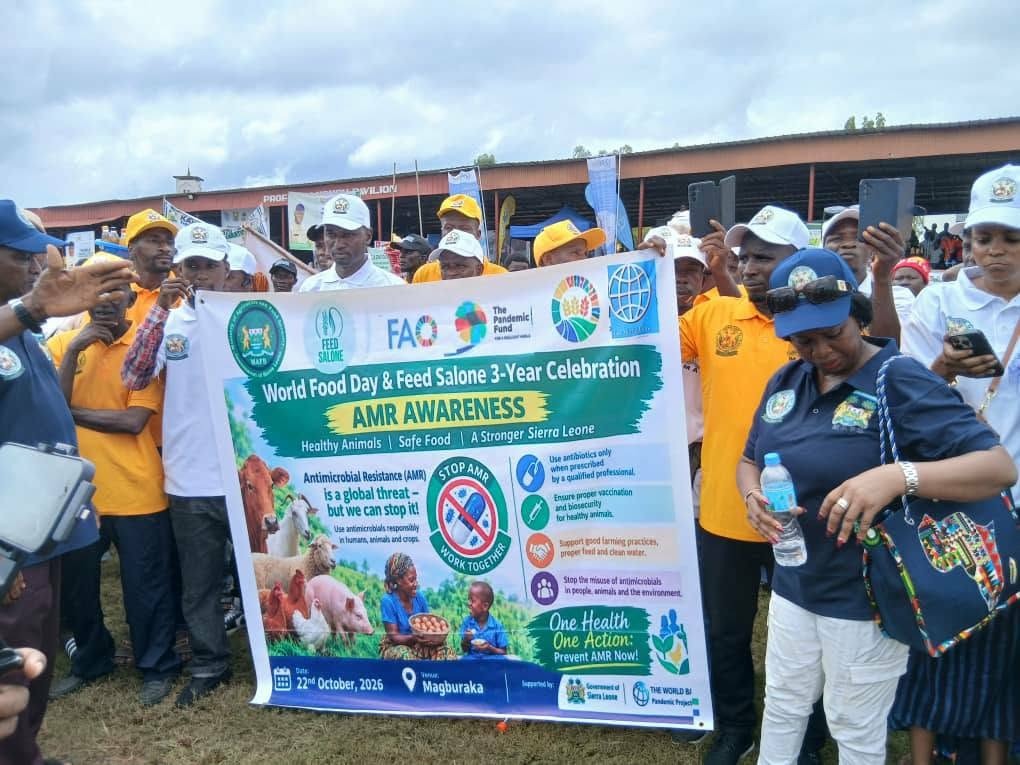



He noted that the 2026 World AMR Awareness Week theme, “One Health, One Action: Prevent AMR Now,” and the World Food Day theme, “Innovate Today. Nourish Tomorrow,” underscored the importance of coordinated action and innovation in building safer and more sustainable food systems.
The livestock director reaffirmed the government’s commitment to strengthening veterinary services, disease surveillance and frontline animal health delivery. He also highlighted ongoing interventions, including the Integrated Animal Disease Surveillance and Reporting System (IADRS), para-veterinary training, and increased veterinary inspections at markets, slaughter points, quarantine stations and border crossings.
Meanwhile, the President of the Sierra Leone Cattle Traders Union, Chernor Abubakarr Barrie, said the celebration provided an opportunity for the union to exhibit cattle and highlight the contribution of livestock traders and farmers to national food security.
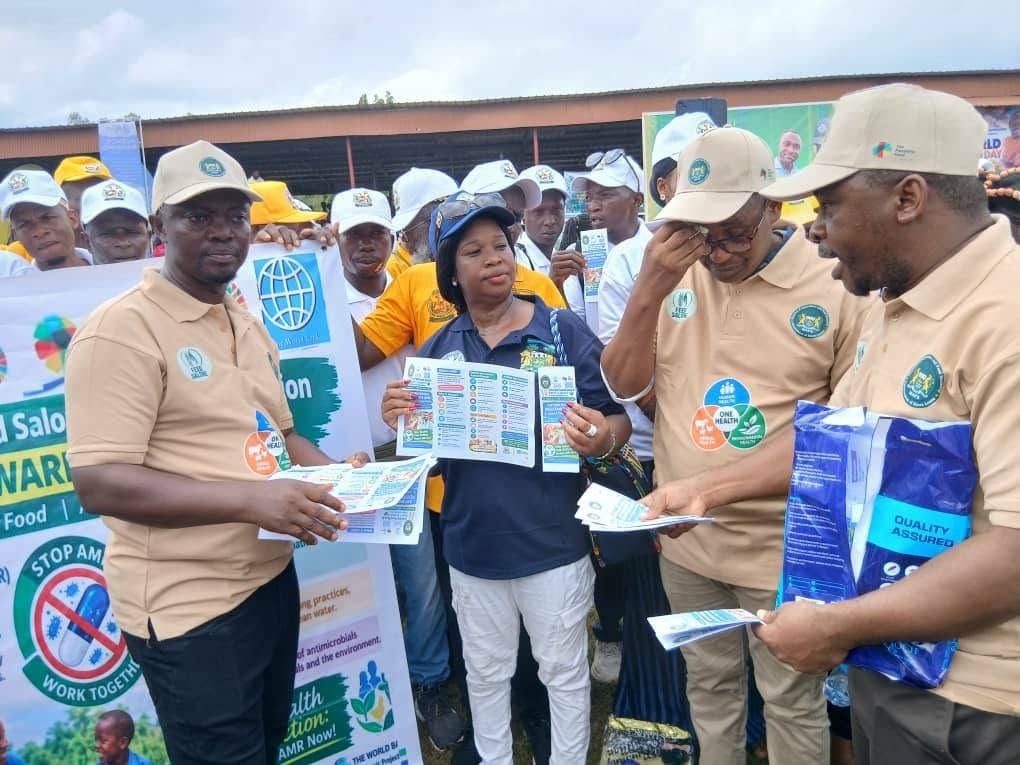
Barrie said Sierra Leone had the potential to compete with livestock-producing countries such as South Africa, Kenya, Senegal and Mali if the sector received adequate support.
However, he identified high feed costs, particularly the cost of feed largely imported from Nigeria, and dependence on open grazing as major challenges affecting production and contributing to higher market prices.
He called for improved access to land, greater investment in livestock production and stronger cooperation between herders and crop farmers. He also expressed the union’s readiness to collaborate with the government, non-governmental organisations and private investors to develop the livestock value chain.
Describing livestock farming as a potentially lucrative business, Barrie encouraged Sierra Leoneans to invest in agriculture and livestock production in support of the government’s Feed Salone agenda.