

Sierra Leone Marks Five Years Since Wellington Fuel Tanker Explosion Killed Over 150
 Alex Fefegula Harding
Five years after the Wellington fuel tanker explosion killed 154 people, findings from an official investigation continue to highlight weaknesses in emergency response and public safety that contributed to the scale of Sierra Leone’s deadliest recent industrial disaster.
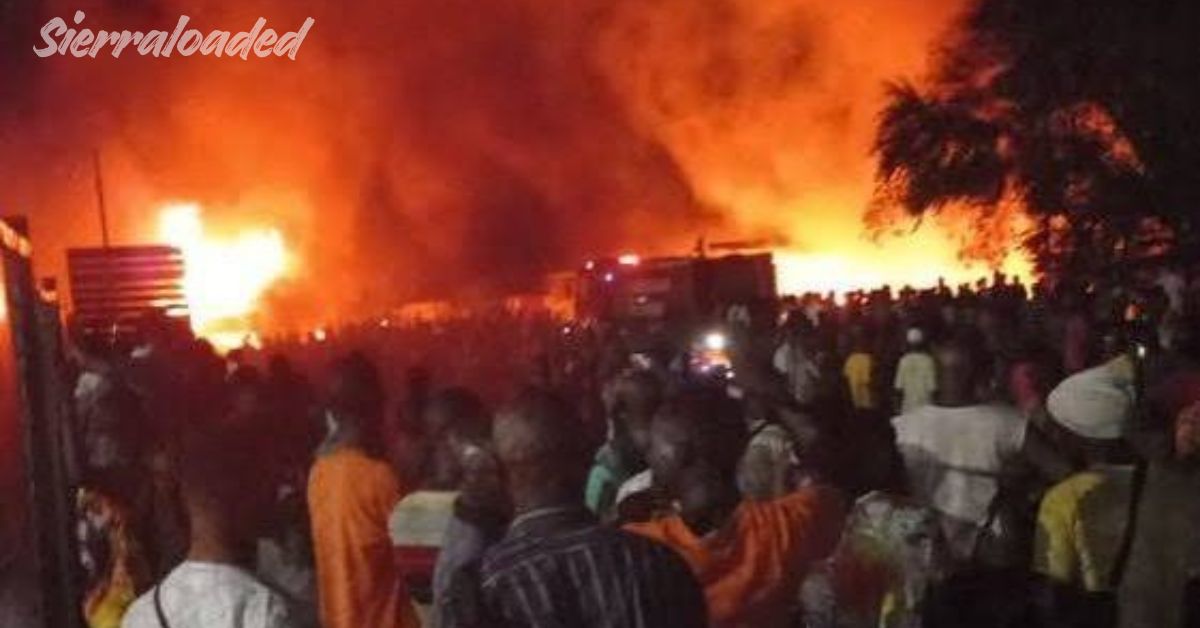
The Nov. 5, 2021, explosion at Old Wharf Junction in Wellington, eastern Freetown, exposed serious challenges in managing fuel-related emergencies, controlling access to disaster scenes and treating large numbers of people with severe burns.
The disaster began when a loaded fuel tanker collided with a tipper truck transporting granite stones. Petrol spilled onto the road, attracting residents and other members of the public before the explosion occurred.

According to the National Disaster Management Agency’s investigation report, the explosion happened about 42 minutes after the collision. Investigators attributed the ignition to a spark generated during activities involving people collecting the spilled fuel.


The resulting fire burned for nearly five hours, destroying vehicles, businesses and other properties in the surrounding area.
The Presidential Task Force established to examine the incident identified several institutional shortcomings that worsened its impact.
The investigation found that police did not immediately secure the accident scene, allowing members of the public to approach the leaking tanker. It also reported that emergency personnel faced difficulties reaching the location because of traffic congestion.
Firefighting operations were further hampered by limited access to functional fire hydrants. The report also highlighted inadequate facilities and medical equipment for treating severe burn injuries, with hospitals struggling to accommodate the influx of casualties.
The investigation recorded 154 deaths and 310 people affected by the disaster. The NDMA subsequently reported providing assistance, including financial support, food, essential supplies and medical assistance to affected families and survivors.
Five years later, the anniversary brings renewed attention to the survivors, bereaved families and communities whose lives were disrupted by the explosion.
Beyond remembering those who died, the disaster remains an important case study in the need for stronger emergency coordination, effective enforcement of public safety measures and improved capacity to respond to major industrial accidents.