

MoPED Seeks National Recommendations to Strengthen Migration Governance in West Africa
 Aminata Koroma
The Ministry of Planning and Economic Development (MoPED) has called for stronger stakeholder collaboration in shaping Sierra Leone’s position on a proposed regional migration cooperation framework aimed at promoting safe, orderly and sustainable migration across West Africa.
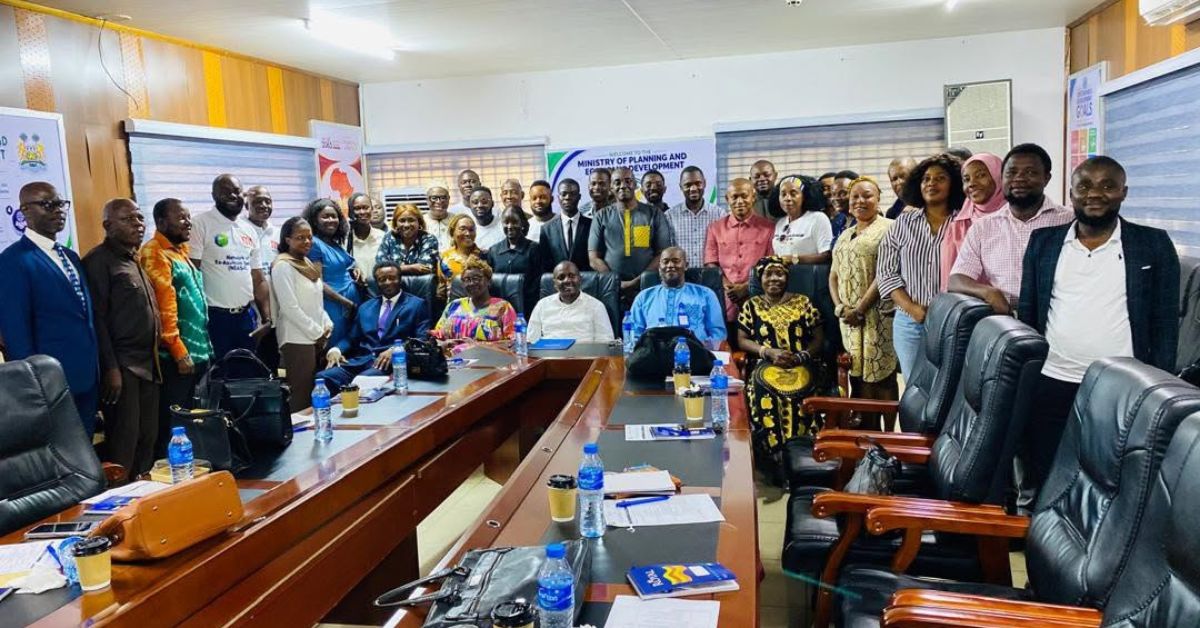
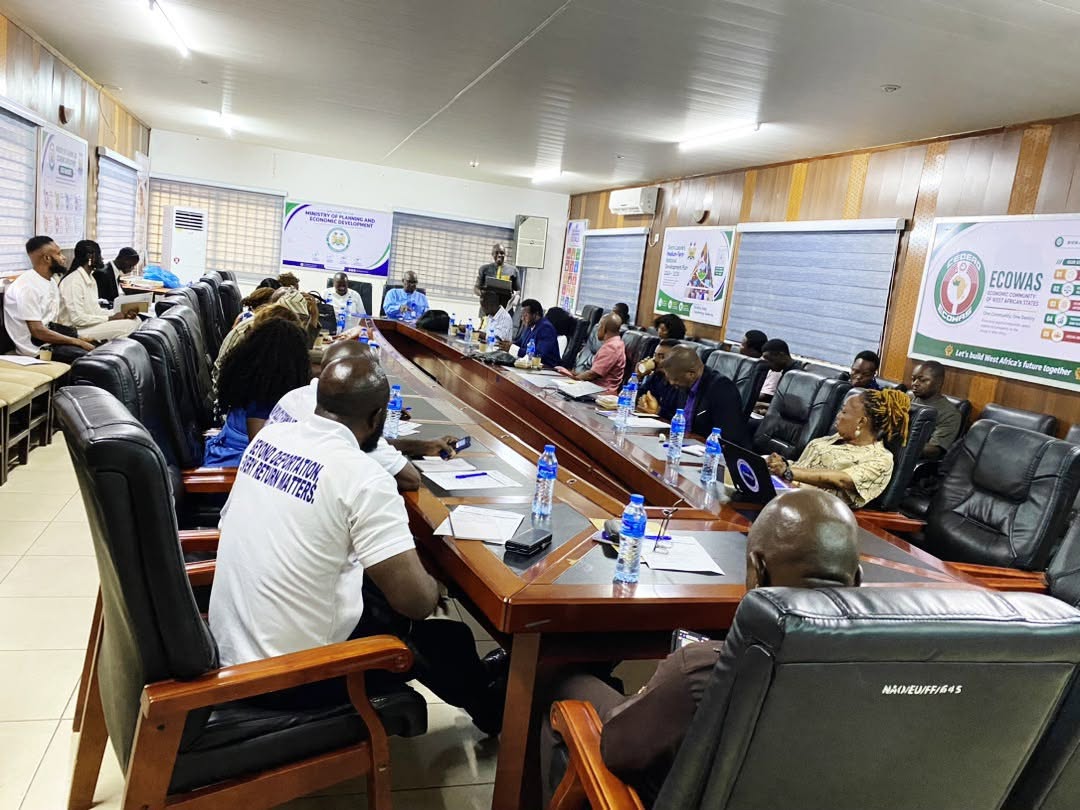
The call was made during a national consultation organised by MoPED in collaboration with the International Organisation for Migration (IOM) on Thursday, 5 November 2026, at the Ministry’s Conference Room in Freetown.
Held under the theme, “Towards a Sustainable State-Led Framework for Dialogue and Action,” the consultation brought together government institutions, local councils, civil society organisations, development partners, labour organisations and other stakeholders to discuss national priorities and recommendations for improving migration governance in the region.

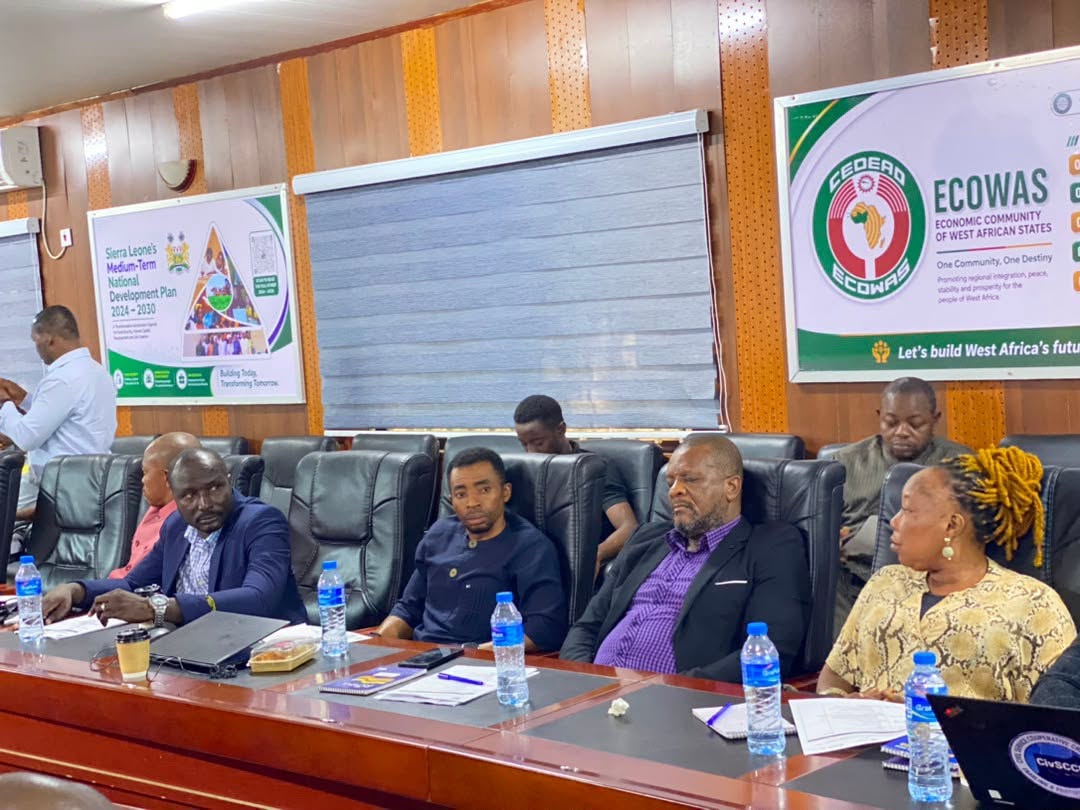



Speaking at the event, Deputy Development Secretary I, Usman Conteh, described migration as both an opportunity for development and a governance challenge, noting that unemployment, economic pressures, climate change and insecurity continue to influence migration patterns across West Africa.
Conteh stressed that migration should not be viewed solely as a border-security or humanitarian concern, but as an issue closely connected to employment, poverty reduction, human capital development, social protection and regional integration.
He explained that properly managed migration could contribute to national and regional development through remittances, skills transfer, investment, trade and knowledge exchange.
He further urged stakeholders to ensure that their recommendations align with the Medium-Term National Development Plan (MTNDP) and the Government’s broader development priorities.
MoPED’s Focal Person for Population and Development, Gabriel Abdul Dumbuya, also encouraged participants to contribute meaningfully to the discussions, emphasising the importance of collective input in determining Sierra Leone’s position on the proposed framework.
Representing IOM’s Head of Office, Resource Management Officer Arthur Dungu reaffirmed the organisation’s commitment to supporting government-led migration initiatives through technical expertise, partnerships and resource mobilisation.
He referenced Sierra Leone’s adoption of its National Migration Policy in 2022 and the validation of its National Implementation Plan for the Global Compact for Migration as evidence of the country’s commitment to a coordinated and rights-based approach to migration management.
Providing an overview of the regional process, Brima Bendu, Focal Person of the UN Network on Migration in Sierra Leone, highlighted the country’s progress under the Global Compact for Safe, Orderly and Regular Migration, adopted in 2018.
He noted that Sierra Leone became a GCM Champion Country in November 2023 and has continued to strengthen migration governance through policy development, assessments and the integration of migration priorities into national development plans.
Bendu also outlined the seven priority areas of the National Implementation Plan for 2025-2030, including migration governance, regular migration pathways, border management, return and reintegration, migration data, human rights and social inclusion, and addressing the drivers of migration.
Stakeholders also highlighted the need to strengthen local authority involvement, protect vulnerable migrants, improve labour mobility and ensure the inclusion of persons with disabilities in migration policies and programmes.
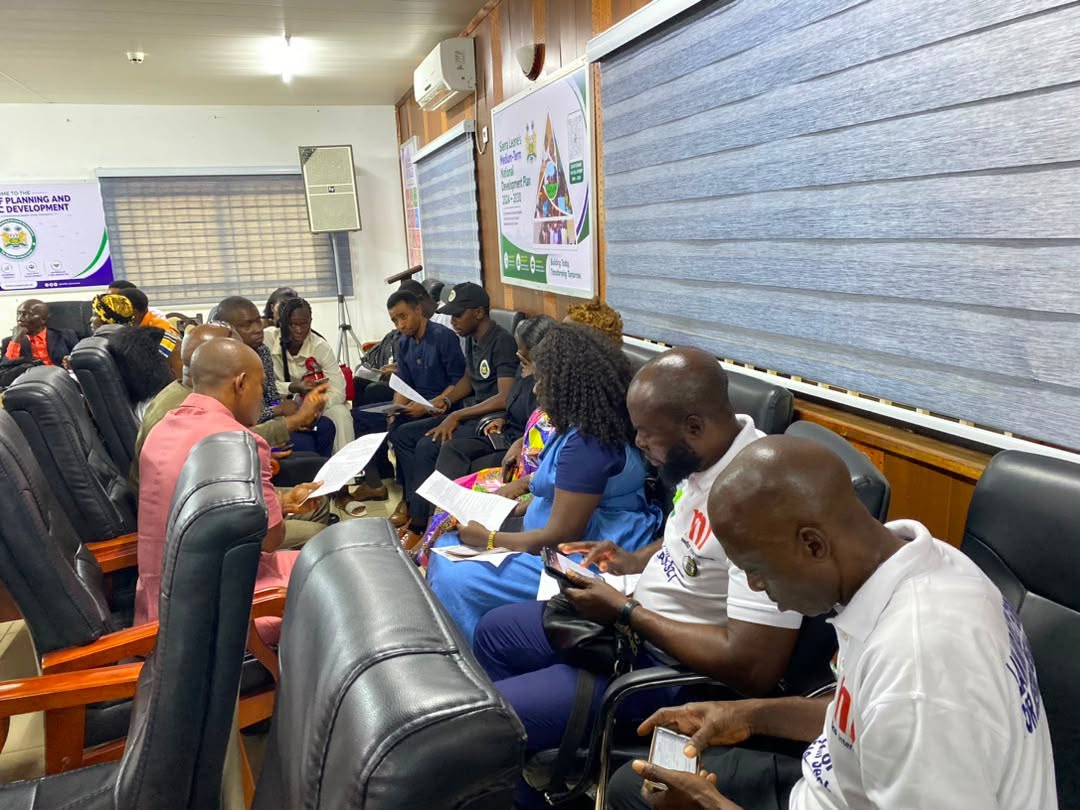
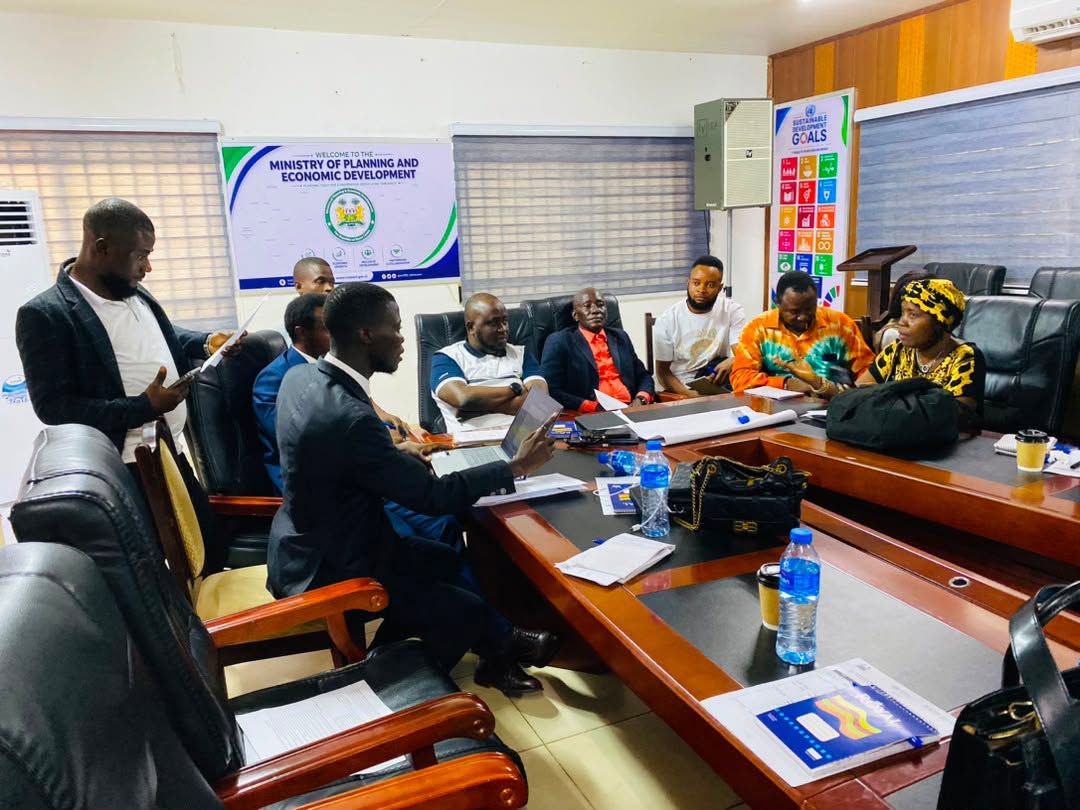
During group discussions, participants recommended improved border management, stronger institutional collaboration, better information-sharing systems, affordable travel documents and enhanced cross-border data collection. They also called for training opportunities for security personnel and civil society organisations.
The recommendations are expected to contribute to Sierra Leone’s position ahead of the regional conference in Dakar, Senegal, where technical discussions are scheduled for 18 and 19 November, followed by a ministerial session on 20 November.
The proposed framework is expected to be endorsed during the ministerial session.
In his closing remarks, Conteh urged Sierra Leoneans to avoid irregular migration and pursue opportunities abroad through legal channels. He also encouraged prospective migrants to acquire relevant skills and resources while maintaining connections with their home country.
He commended IOM for its support to stranded migrants through repatriation, training and start-up assistance, while reaffirming MoPED’s commitment to strengthening coordination among government institutions and development partners.
The consultation forms part of Sierra Leone’s efforts to ensure that its national migration priorities are reflected in a sustainable, state-led regional cooperation framework.