
Sierra Leone Orders Two Isolation Beds in Every Hospital as Ebola Fears Mount
 Ben Bassey
The government has directed every hospital in the country to maintain at least two dedicated isolation beds, as authorities move to close gaps in Ebola preparedness and bring private clinics into the national response framework.
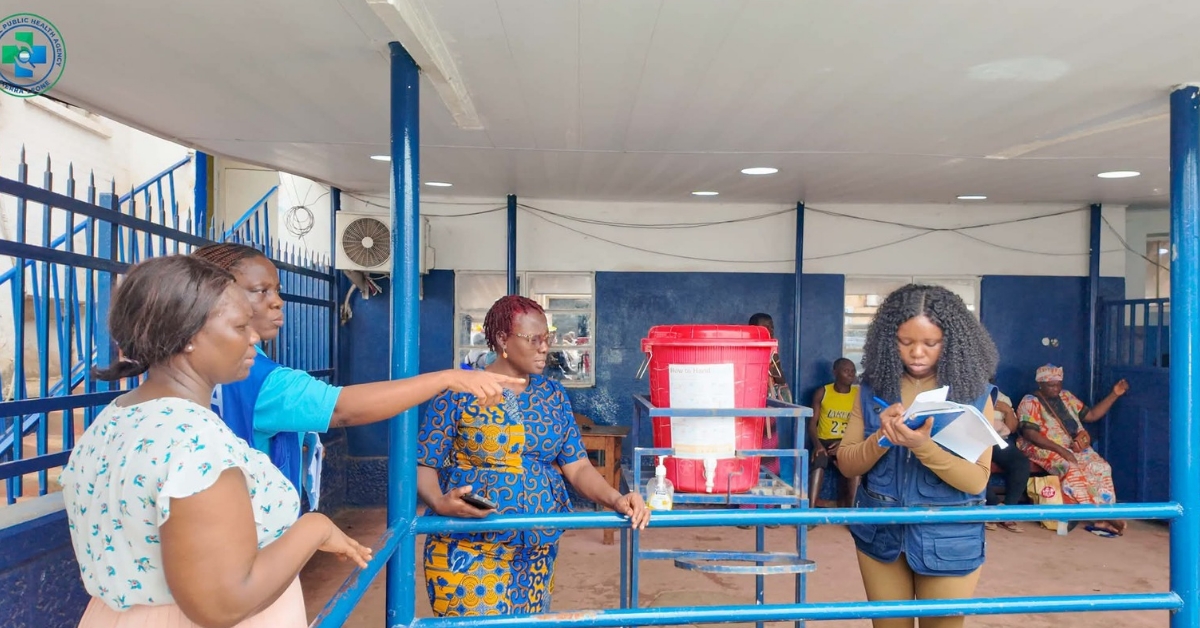
The directive was announced on Wednesday, November 11, 2026, at a high-level engagement between the National Public Health Agency, the Ministry of Health, and private healthcare practitioners at the NPHA headquarters on Wilkinson Road.
Dr Sulaiman Lakkoh, Director of Disease Prevention and Control at the Ministry of Health, told the meeting that every hospital must be ready to isolate and manage suspected Ebola cases should the disease re-emerge. He stressed that preparedness extends beyond infrastructure, urging healthcare workers to remain vigilant when attending to patients with symptoms consistent with Ebola.

Dr Lakkoh also flagged infection prevention and control as a critical weakness, particularly in medical waste handling. He warned that medical and non-medical waste must be strictly separated, noting that improper waste management could increase transmission risk.


The meeting acknowledged that private health facilities face challenges accessing emergency response services through the 117 hotline, particularly at night. Dr. Lakkoh assured participants that the national emergency line remains operational .
Dr Mohamed Alex Vandi, Deputy Executive Director of the NPHA, said authorities are intensifying surveillance and preventive measures. “We are looking at all possible routes through which the virus could enter the country and are focused on strengthening preventive measures to keep Sierra Leone safe,” he said.
The directive follows a national Ebola preparedness review in October 2026 where officials stressed that every hospital must have an isolation bed ready for immediate use. That review identified gaps in hospital readiness, ambulance services, and emergency coordination.
Health Minister Austin Demby has pushed to raise the national preparedness score from 51 percent in May to 83 percent in October, while warning that “83% preparedness is not enough, particularly when dealing with a disease as deadly as Ebola.”
The meeting concluded with agreed action points aimed at fully integrating private health facilities into the national Ebola preparedness and response framework.
For private clinics that have operated largely outside national surveillance systems, the directive represents a significant operational shift. Whether they can meet the isolation-bed standard—and whether the 117 hotline functions reliably at night—will determine how quickly Sierra Leone can respond if the virus reaches its borders.