

DSTI Unveils Technology Solutions to Transform Sierra Leone’s Security Institutions
 Aaron Parker
The Directorate of Science, Technology and Innovation (DSTI) has unveiled a range of digital solutions aimed at transforming operations and improving institutional efficiency across Sierra Leone’s security sector.
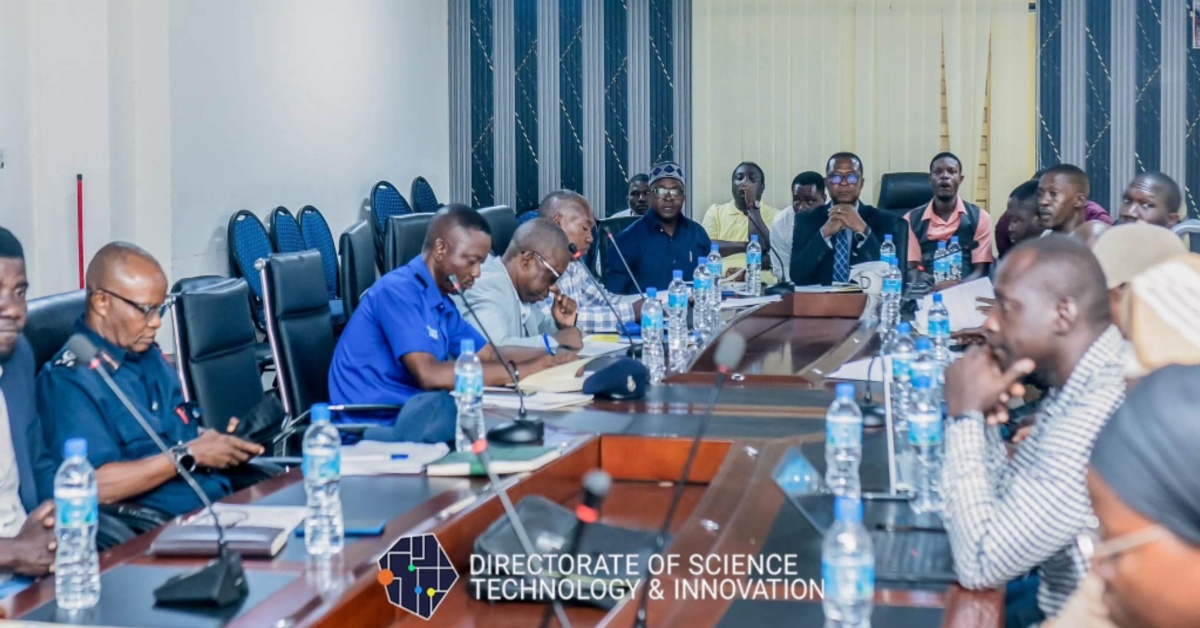
The presentation took place on 20 October 2026 during a sectoral meeting of the Ministry of Internal Affairs, following an invitation from Deputy Minister David Fortune. It brought together key security and government agencies to explore how existing digital technologies could address operational challenges and improve service delivery.
DSTI showcased solutions covering digital regulatory systems, Geographic Information Systems (GIS), mapping, coordination and visualisation platforms, citizen complaint and reporting mechanisms, operational dashboards, asset and workforce management, and access to trusted government information.

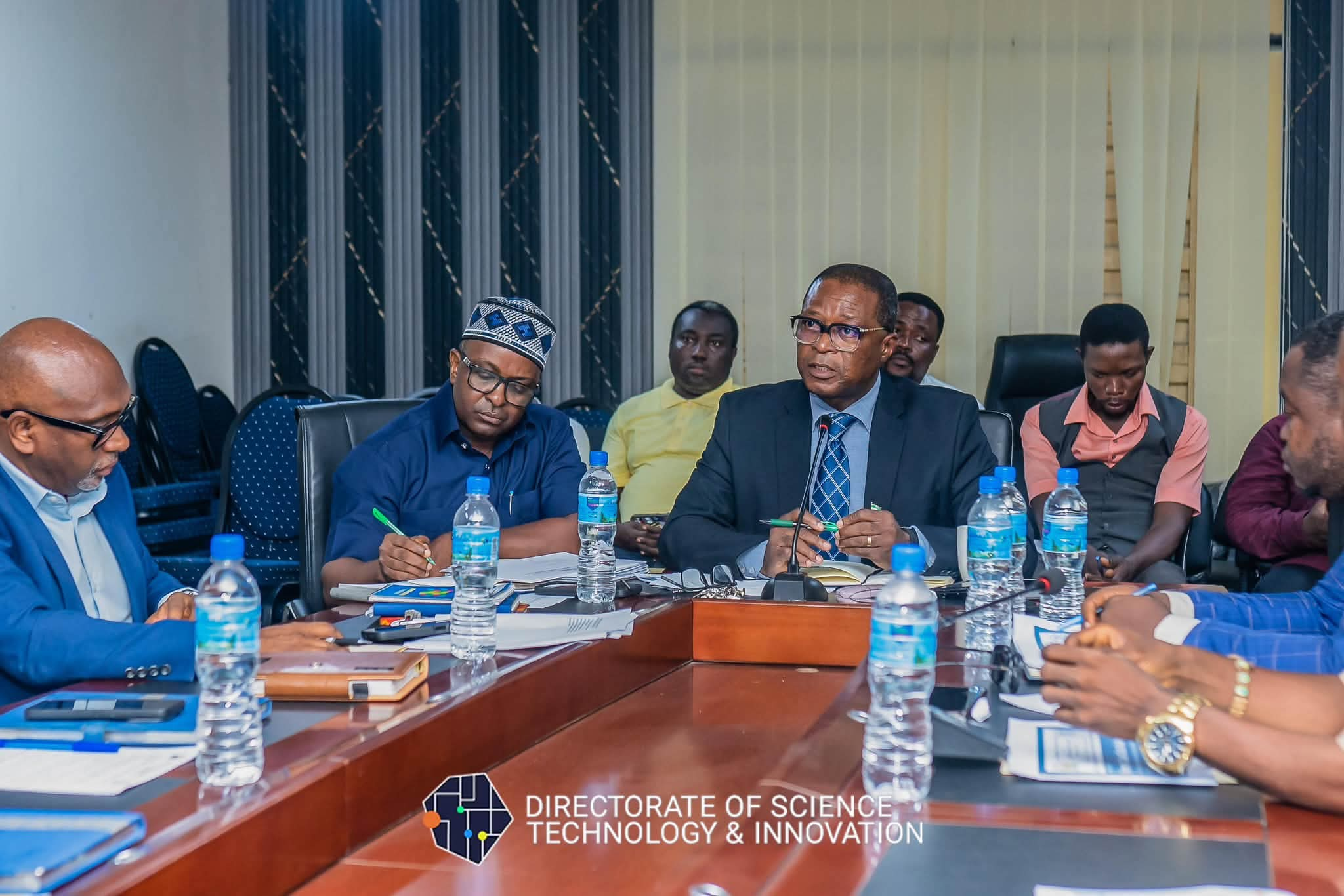



Among the technologies presented were the Integrated GIS, digital professional regulatory platforms, coordination tools and citizen-facing reporting systems.
The engagement brought together representatives from the Sierra Leone Police, Sierra Leone Immigration Department, Sierra Leone Correctional Service, Sierra Leone Fire Force, National Drugs Law Enforcement Agency, National Civil Registration Authority, Office of the Medical Examiner, Independent Police Complaints Board and Sierra Leone Arms and Ammunition Commission.
Rather than proposing a single digital system for all institutions, DSTI demonstrated how its existing technologies could be adapted to meet the specific operational needs of individual agencies.
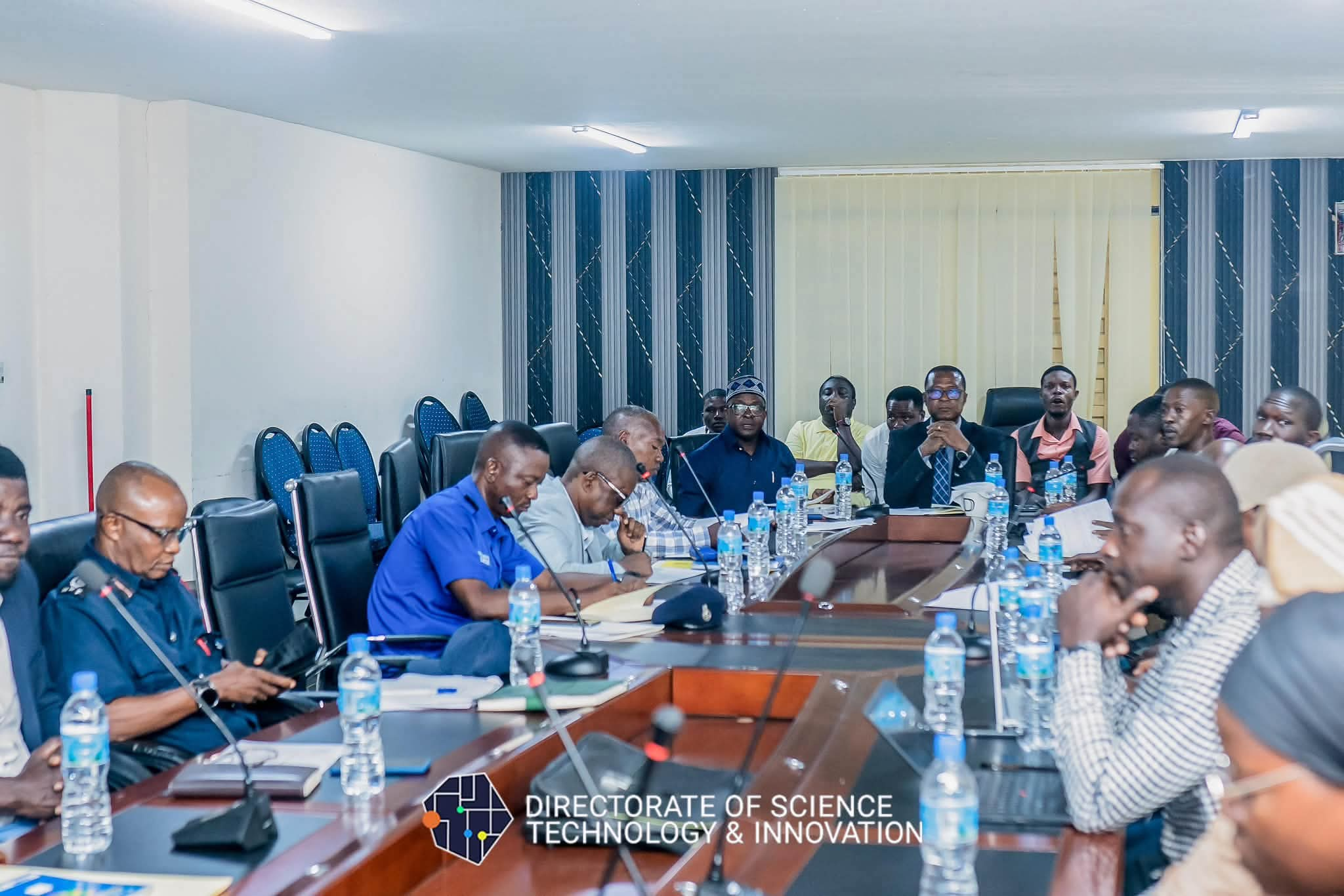
Following the presentation, the Directorate is expected to engage interested institutions separately to assess their priorities and determine where existing platforms can be adapted, current systems strengthened or new solutions developed.
The initiative forms part of DSTI’s broader efforts to promote practical, needs-driven digital transformation across government, with a focus on using technology to improve institutional operations and public service delivery.