

MoPED Gains Greater Control Over Public Investment in FY2027 Budget

 Alusine Ahmed Kargbo
The Ministry of Planning and Economic Development (MoPED) is set to play a stronger role in deciding how public investment projects are approved and implemented under Sierra Leone’s 2027 national budget.
Under the new measures, government will not honour requests to implement public investment projects without approval from MoPED. The requirement is part of wider reforms aimed at improving project planning, controlling public spending and ensuring that development projects meet national priorities.
The measures were outlined in the FY2027 Budget and Statement of Economic and Financial Policies presented to Parliament on Friday, November 27, 2026, by Finance Minister Karefa Ansumana Francis Kargbo.

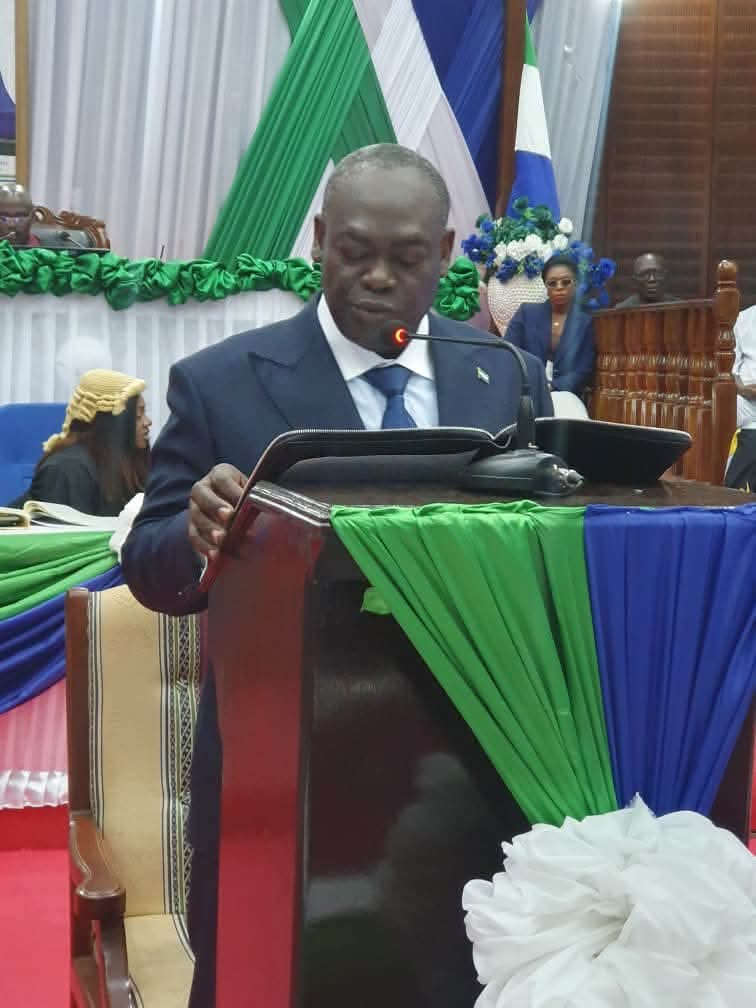



The new policy places MoPED at the centre of the government’s public investment management system, giving the Ministry a key responsibility in ensuring that projects are properly assessed and prepared before public funds are committed.
During his budget presentation, the Finance Minister recognised the contributions of Planning and Economic Development Minister Kenyeh Barlay, Development Secretary Ambrose James and staff of the Ministry.
He commended their collaboration with the Ministry of Finance in preparing the Public Investment Programme (PIP) and monitoring the implementation of the Medium-Term National Development Plan (MTNDP).
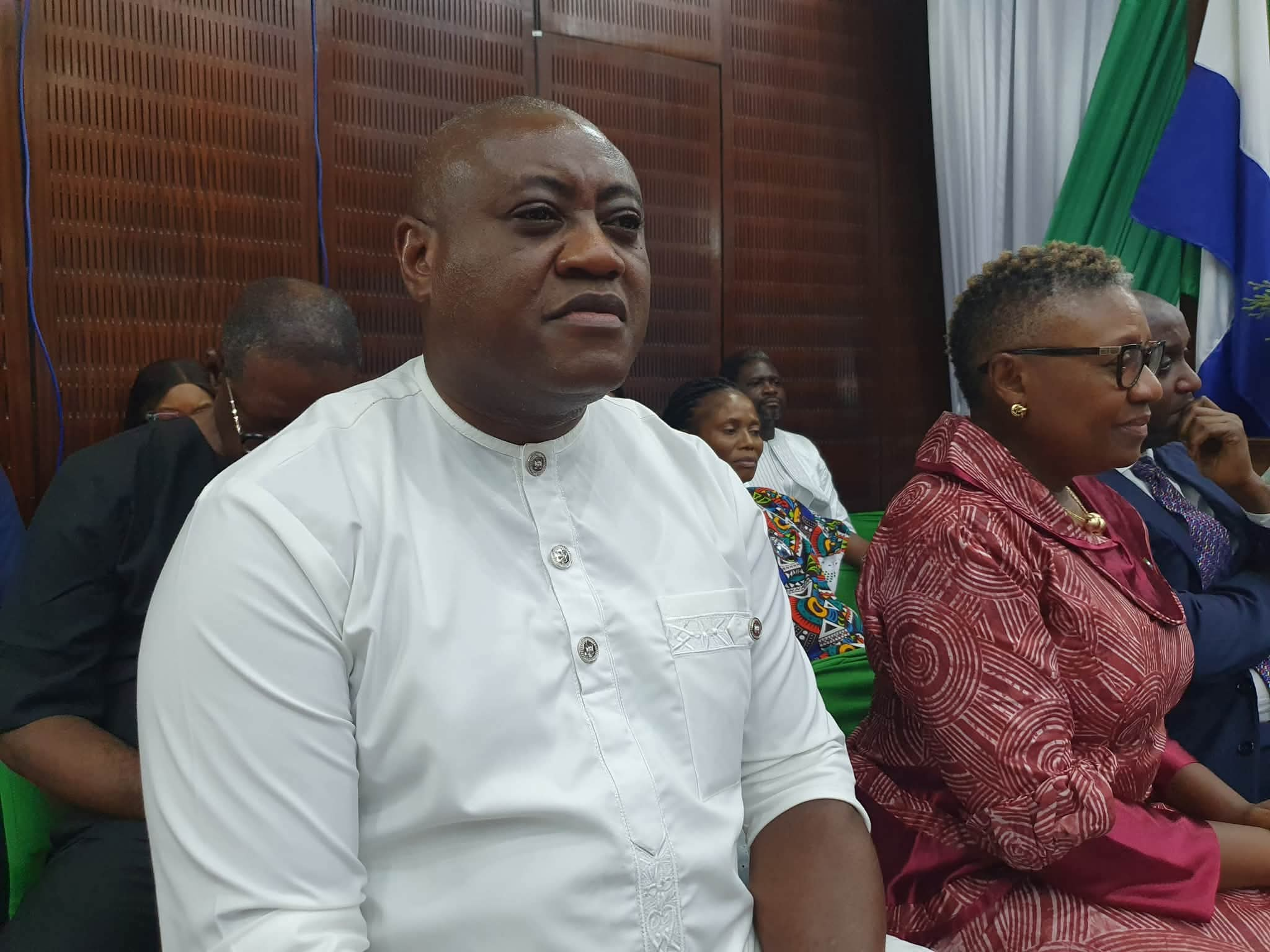
The two ministries have continued working together to connect national development priorities with government spending, project planning and implementation.
A major part of the FY2027 Budget focuses on improving Public Investment Management (PIM), with the aim of reducing waste, preventing project cost increases and ensuring that taxpayers receive value for money.
As part of the reforms introduced in 2026, government activated the Technical Investment Committee, developed standard guidelines for managing public investment projects and made progress towards establishing the Public Investment Management Information System (PIMIS).
The PIM Guidelines set a limit of 25 per cent on the recurrent expenditure component of capital projects. This is intended to ensure that a larger share of project funding goes towards actual development activities.
Meanwhile, PIMIS is expected to introduce an automated process for reviewing, assessing and monitoring public investment projects. The system is scheduled to become operational by June 2027.
Once the platform is fully operational, all Ministries, Departments and Agencies (MDAs), together with Local Councils, will be required to submit their capital project proposals through the system.
The government has also adopted stricter conditions for introducing new projects. Proposals must have identified funding sources, completed technical assessments and comply with the established investment management guidelines.
Infrastructure projects will also need to demonstrate how they will manage climate-related risks and provide for future maintenance costs before they can be considered for budget approval.
The expanded responsibilities come as government continues efforts to achieve its target of creating 500,000 jobs under the Medium-Term National Development Plan covering 2024 to 2030.
The theme of the FY2027 Budget, “Building Resilience to Create Jobs,” focuses on economic stability, infrastructure, productive sectors, private sector investment and human capital development.
MoPED is responsible for coordinating development planning and following up on the implementation of the national development plan. Its monitoring work is expected to help government assess whether its programmes are delivering the intended results.
The Ministry’s responsibilities also include ensuring that public investment proposals support national development priorities and that available resources are directed towards agreed objectives.
The FY2027 Budget annexes outline several programmes connected to MoPED’s work in development planning, investment management and coordination.
They include the establishment of a Project Preparatory Facility and an assessment of the financing and implementation of the MTNDP, which will contribute to a comprehensive mid-term review of the plan.
Other planned activities include developing the Public Investment Management Information System, improving development coordination and service delivery at local levels, and implementing Climate Public Investment Management Assessment (C-PIMA) reforms through capacity building and logistical support.
The programmes also cover stronger aid coordination, donor mapping and development of an assistance database.
Government further plans to digitalise Service Level Agreements for non-governmental organisations (NGOs) and community-based organisations (CBOs), as well as establish a South-South Cooperation and Triangular Cooperation Directorate.
These initiatives are intended to improve the country’s ability to prepare development projects, coordinate assistance from partners and monitor the use of resources.
The FY2027 Budget places greater responsibility on MoPED to ensure that public investment projects are properly prepared, assessed and aligned with national development objectives.
Its implementation will also depend on cooperation between the Ministry of Planning and Economic Development, the Ministry of Finance, other government institutions and Local Councils.
The Appropriation Act 2027 was read for the First Time and laid before Parliament on November 27.
Parliament is expected to begin debating the budget on December 7, 2026, when lawmakers resume proceedings.