

2026 WASSCE: WAEC Withholds 47,454 Results in Sierra Leone Over Suspected Malpractice
 Deborah Sorie
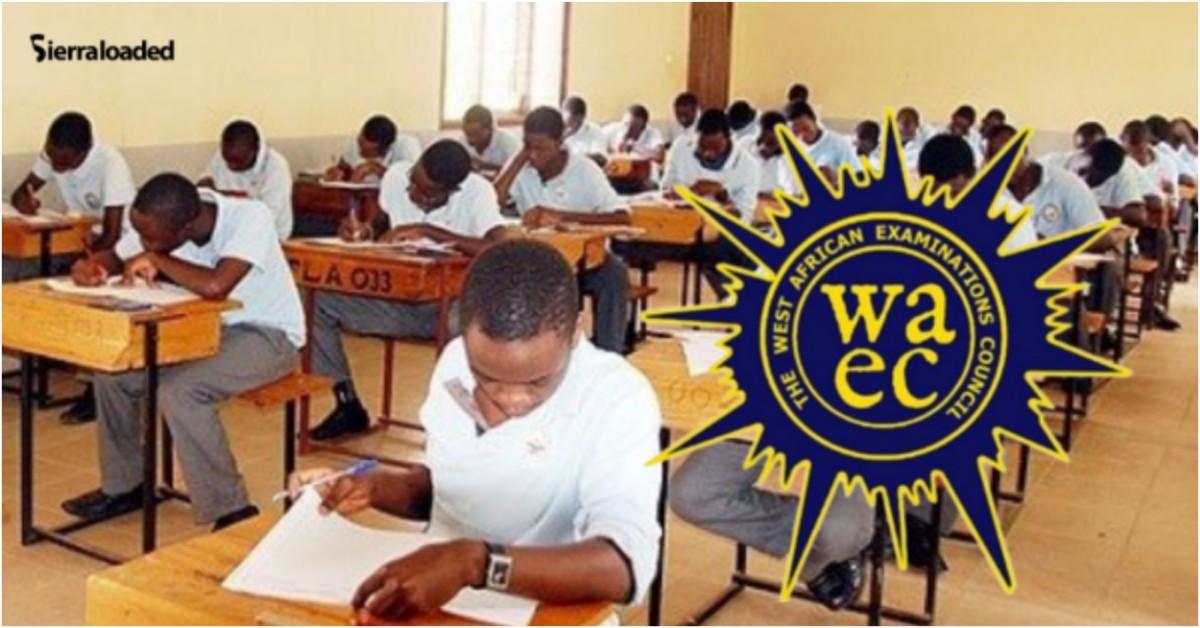
The results of 47,454 candidates who sat the 2026 West African Senior School Certificate Examination (WASSCE) have been withheld over suspected examination malpractice, according to the Ministry of Basic and Senior Secondary Education (MBSSE).
The affected candidates comprise 26,735 females and 20,719 males, whose results for all subjects were withheld in the list submitted to the ministry by the West African Examinations Council (WAEC).
The announcement was made on Tuesday, October 27, following the release of the 2026 May-June WASSCE results, which were received by the ministry on Friday, October 23.

The ministry said the number of withheld results had increased significantly from 13,237 in 2025 to 47,454 in 2026.



It said the increase could indicate that stricter examination monitoring had resulted in more cases of suspected malpractice being detected. However, the ministry added that the scale of the increase required further investigation.
WAEC has the authority to withhold candidates’ results where examination malpractice is suspected. The council may release some or all of the withheld results after investigations, while results of candidates found to have engaged in malpractice may be cancelled in accordance with its rules and regulations.
Candidates can check whether their results have been withheld by visiting the WAEC Sierra Leone website.
The ministry said a breakdown of the 13 reasons for withholding results would be made available on its website and learning platform.
These reasons distinguish between different forms of suspected malpractice, including collusion, the sharing of answers within the same examination room and the use of social media platforms or artificial intelligence to obtain and distribute answers across examination centres.
The ministry also announced plans to strengthen investigations into withheld results, with the Chief Education Officer, who serves as the government’s chief nominee to WAEC, expected to work with the relevant council committee to expedite investigations and decisions.
To promote transparency and public confidence, the ministry said it would seek to have three respected educationists observe the committee’s deliberations on the cases.
It warned that disciplinary action would not be limited to candidates found guilty of cheating. Centre managers, supervisors, invigilators, principals and school proprietors found to have participated in or contributed to examination malpractice could also face sanctions.
The ministry further said it would refer school principals and proprietors involved in repeated examination malpractice to the Anti-Corruption Commission (ACC), while seeking the recovery of government funds paid for candidates found to be ineligible.
Despite the high number of withheld results, the ministry maintained that it remained confident in the ability of Sierra Leonean students to perform well in examinations without engaging in malpractice.
It also announced plans for a new WAEC bill in 2027, which is expected to strengthen examination administration, provide for legal action against individuals involved in malpractice and introduce sanctions against institutions responsible for examination-related misconduct.