

Beyond the Screen: The Journey of Alimatu Farakhan Sesay and the Impact of Lema’s Diary
 Aaron Parker
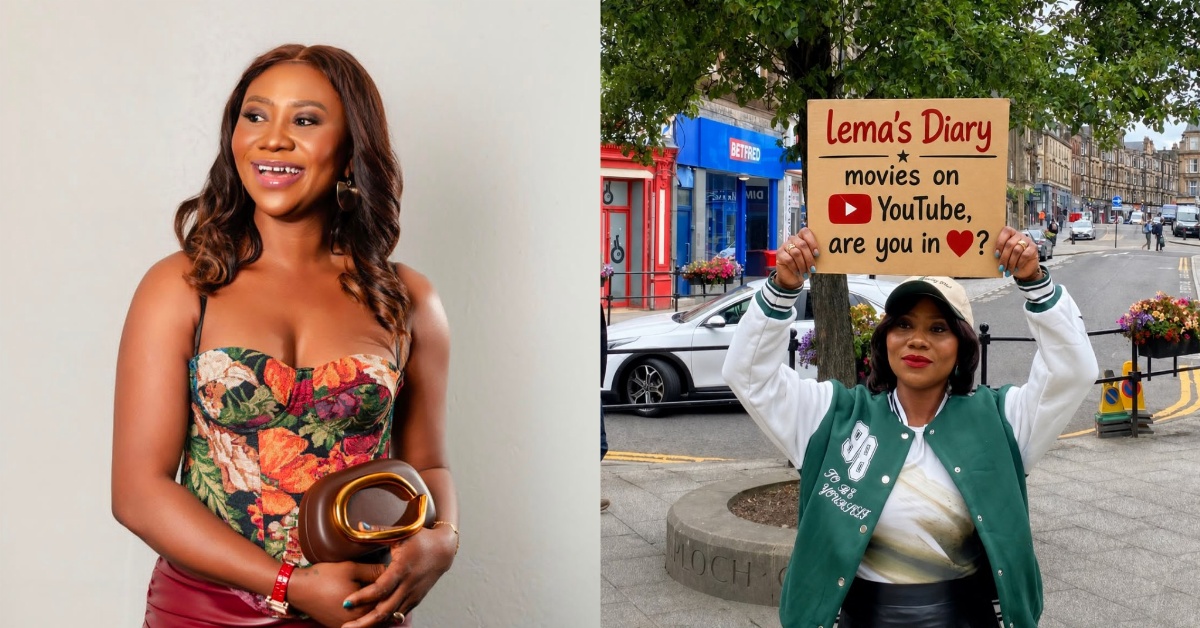
 For Alimatu Farakhan Sesay, storytelling is more than entertainment. It is a way of documenting experiences, confronting social realities and giving Sierra Leonean stories a place on the screen.
Through Lema’s Diary, the young Sierra Leonean actress, writer and producer has steadily built a platform that has grown beyond her individual career. What began as a personal journey in filmmaking has evolved into a creative brand producing stories that reflect love, family, social pressures, poverty, women’s experiences and the realities of everyday life.
Sesay’s journey is particularly significant in a Sierra Leonean creative industry where local filmmakers have long had to compete for audiences with productions from Nigeria and Ghana. Her decision to continue creating locally, despite the challenges, has made her journey one of persistence as much as creativity.


Her first movie as a producer and actress, Wild Emotions, was shot in 2016 and released in 2017. At a time when Sierra Leone’s film industry faced significant limitations, she continued pursuing her ambition of contributing to the development of local cinema.
That early step became the foundation for Lema’s Diary.
Rather than limiting herself to acting, Sesay positioned herself behind the scenes as a writer and producer, taking greater ownership of the stories she wanted to tell. Her filmography subsequently expanded to include Together by Law, Profit Point, Unplugged, Delivery Van and Love in a Glass.
Finding Purpose Through Storytelling
One of the defining features of Lema’s Diary has been its willingness to use fictional stories to explore issues that exist beyond the screen.
In Profit Point, for example, Sesay served as writer and producer on a drama rooted in the realities of poverty and life in Sierra Leone. The film was released in 2021 and lists Lema’s Diary as its production company.

With Delivery Van, the storytelling took an even stronger social direction.
The film follows Surai, a 17-year-old aspiring filmmaker whose life changes after becoming pregnant. Her story explores education, relationships, family pressure, pregnancy and the dangers surrounding childbirth. The film was written and produced by Sesay and directed by Patrick P. K.
That choice of subject matter illustrates something important about Sesay’s approach: the objective is not simply to make movies, but to use movies as a vehicle for conversations.
A love story can become a conversation about teenage pregnancy. A family drama can expose social expectations. A character’s struggle can become a reflection of the struggles experienced by people watching from the other side of the screen.
Taking Sierra Leonean Stories Beyond Sierra Leone
Lema’s Diary has also demonstrated that Sierra Leonean storytelling does not have to remain confined within Sierra Leone.
The production of Unplugged, for example, brought together Sesay and Ghanaian actor Prince David Osei. The film, written and produced by Sesay, represented another step toward collaboration between Sierra Leone’s film industry and creatives across the region.
Her work has also received recognition. Sesay was awarded the Viewers Choice prize at the National Film Awards, recognition that reflected both her individual work and the growing audience for Sierra Leonean filmmaking.
More recently, Love in a Glass, released in Sierra Leone in April 2025, further extended her work as a writer and performer, with Lema’s Diary credited as the production company.
The trajectory demonstrates a gradual transformation: from an aspiring young creative trying to establish herself, to a filmmaker building a recognisable production identity around her work.
More Than a Production Company
Perhaps the greatest impact of Lema’s Diary cannot be measured simply by the number of movies it has produced.
Its significance lies in what it represents for young Sierra Leoneans who want to create.
Sesay has shown that a young Sierra Leonean does not necessarily have to wait for an established international production house before telling a story. She has built her own platform, written stories, produced them, acted in them and collaborated with creatives beyond Sierra Leone.

In an industry where young creatives can struggle to find opportunities, every locally produced film creates space for actors, directors, cinematographers, editors, writers, production assistants and other professionals to develop their skills.
Lema’s Diary therefore becomes bigger than Alimatu Farakhan Sesay herself. It becomes a platform through which other people can participate in the process of telling Sierra Leonean stories.
A Young Sierra Leonean Storyteller Finding Her Voice
At the heart of the Lema’s Diary story, however, is Sesay herself.
Her journey is a reminder that storytelling does not always begin with a large production budget, an established studio or international recognition. Sometimes it begins with a young person who believes that the stories around her deserve to be told.
Over time, that belief can become a craft. The craft can become a career. And the career can become a platform.
That appears to be the evolution of Sesay’s journey.
Her work has moved between acting, writing and producing, but the common thread has remained storytelling. Her professional profile identifies her as a scriptwriter, movie producer and actress, with Lema’s Diary at the centre of that creative journey.
Today, Lema’s Diary also maintains a digital presence through its YouTube platform, where it presents itself as a home for African and Sierra Leonean films.
That digital dimension is important because it offers another route for Sierra Leonean productions to reach audiences beyond traditional cinema spaces.
The Story Is Still Being Written
The most compelling part of Alimatu Farakhan Sesay’s story may be that it is still developing.
She has already moved from actress to writer, from writer to producer, and from individual filmmaker to the founder of a recognisable storytelling platform.
But the larger legacy of Lema’s Diary may ultimately be measured not only by the movies attached to its name, but by the confidence it inspires in the next generation of Sierra Leonean creatives.
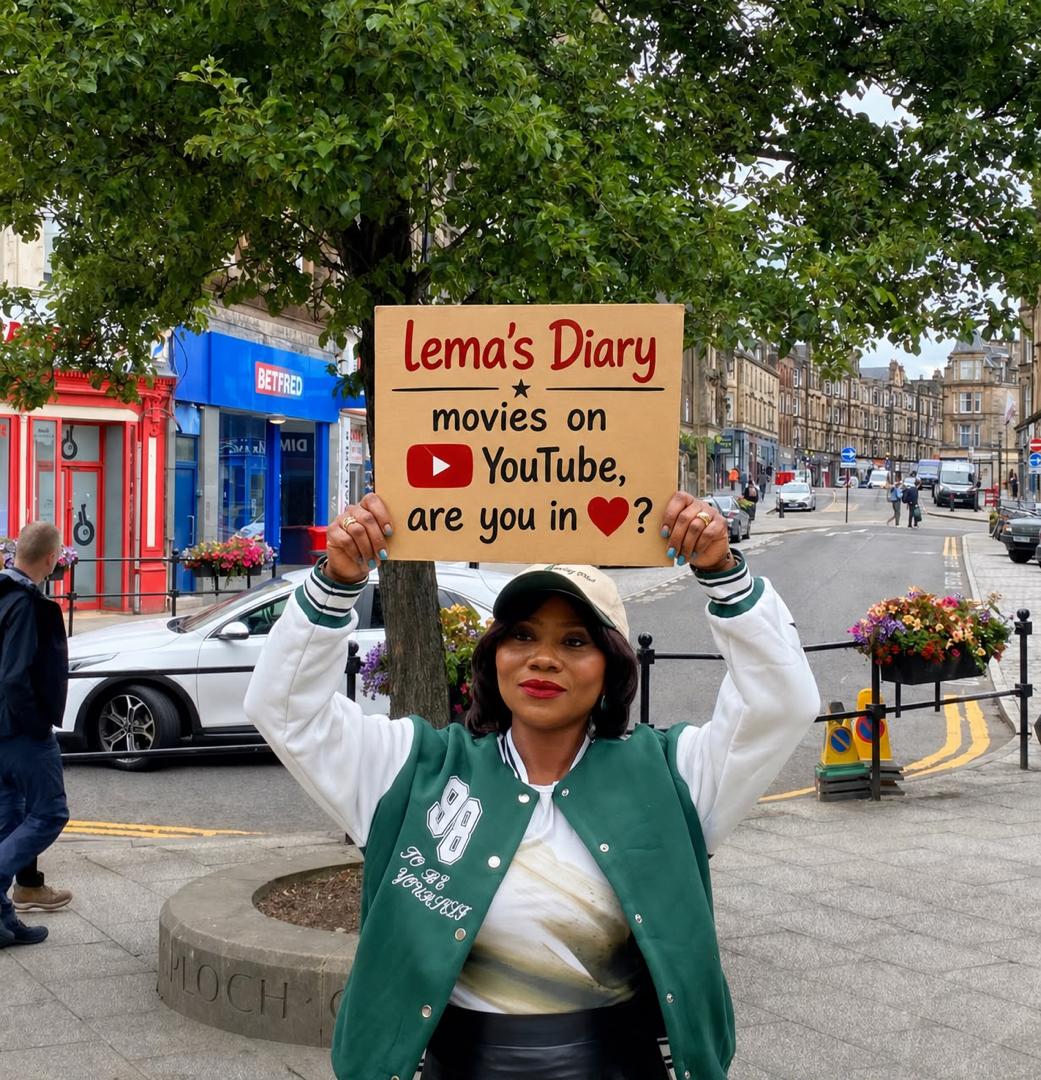
For a young Sierra Leonean watching from Freetown, Kenema, Bo, Makeni or anywhere else in the country, Sesay’s journey carries a simple message: your stories have value, and you can build a platform to tell them.
That is what makes Lema’s Diary more than a name attached to movie credits.
It is a record of one young Sierra Leonean’s decision to tell stories on her own terms and, in the process, to contribute to the continuing story of Sierra Leone’s creative industry.
And as long as Alimatu Farakhan Sesay continues to write, produce, act and create, the diary remains open.