

Sierra Leone Health Minister Leads Delegation at Key WHO Africa Health Summit

 Aminata Koroma
 The 76th Session of the World Health Organisation (WHO) Regional Committee for Africa (RC76) is underway in Addis Ababa, Ethiopia, with Sierra Leone’s Minister of Health, Dr Austin Demby, leading the country’s delegation in discussions on key health priorities shaping the continent’s future.
The high-level meeting brings together health leaders and representatives from across Africa to share experiences, strengthen strategic partnerships and identify practical approaches to addressing health challenges within national contexts.
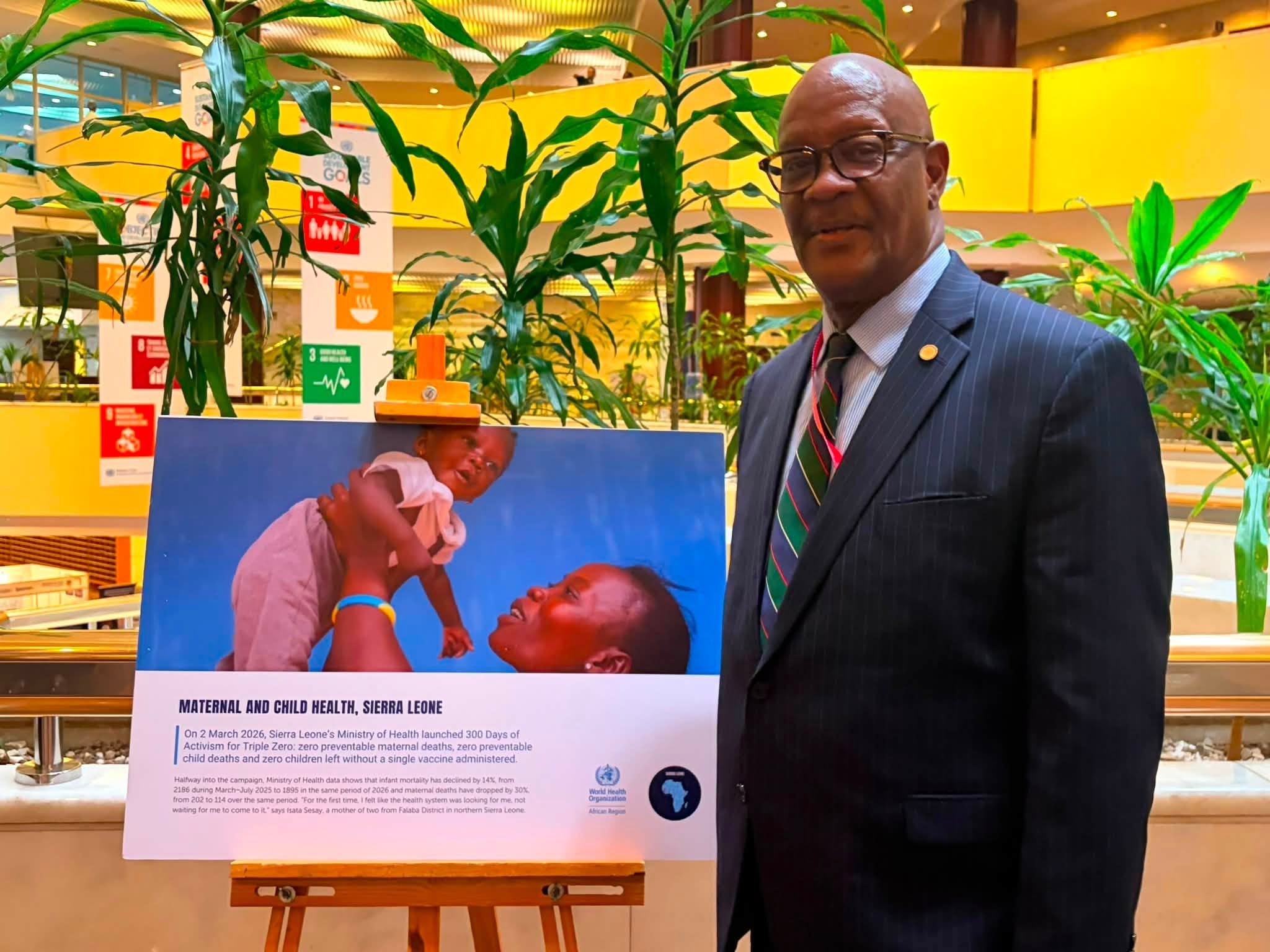



Speaking on Sierra Leone’s priorities at the regional gathering, Dr Demby highlighted the importance of building and retaining a stronger health workforce, securing sustainable financing for universal health coverage, strengthening emergency preparedness and response, advancing health data systems, and enhancing early childhood development.
These areas remain central to Sierra Leone’s efforts to strengthen its health system and improve health outcomes for its population.
The meeting also featured calls for stronger collaboration and increased investment in resilient health systems. Ethiopian President Taye Atske Selassie urged African countries to deepen cooperation and invest in health systems capable of responding effectively to emerging challenges.
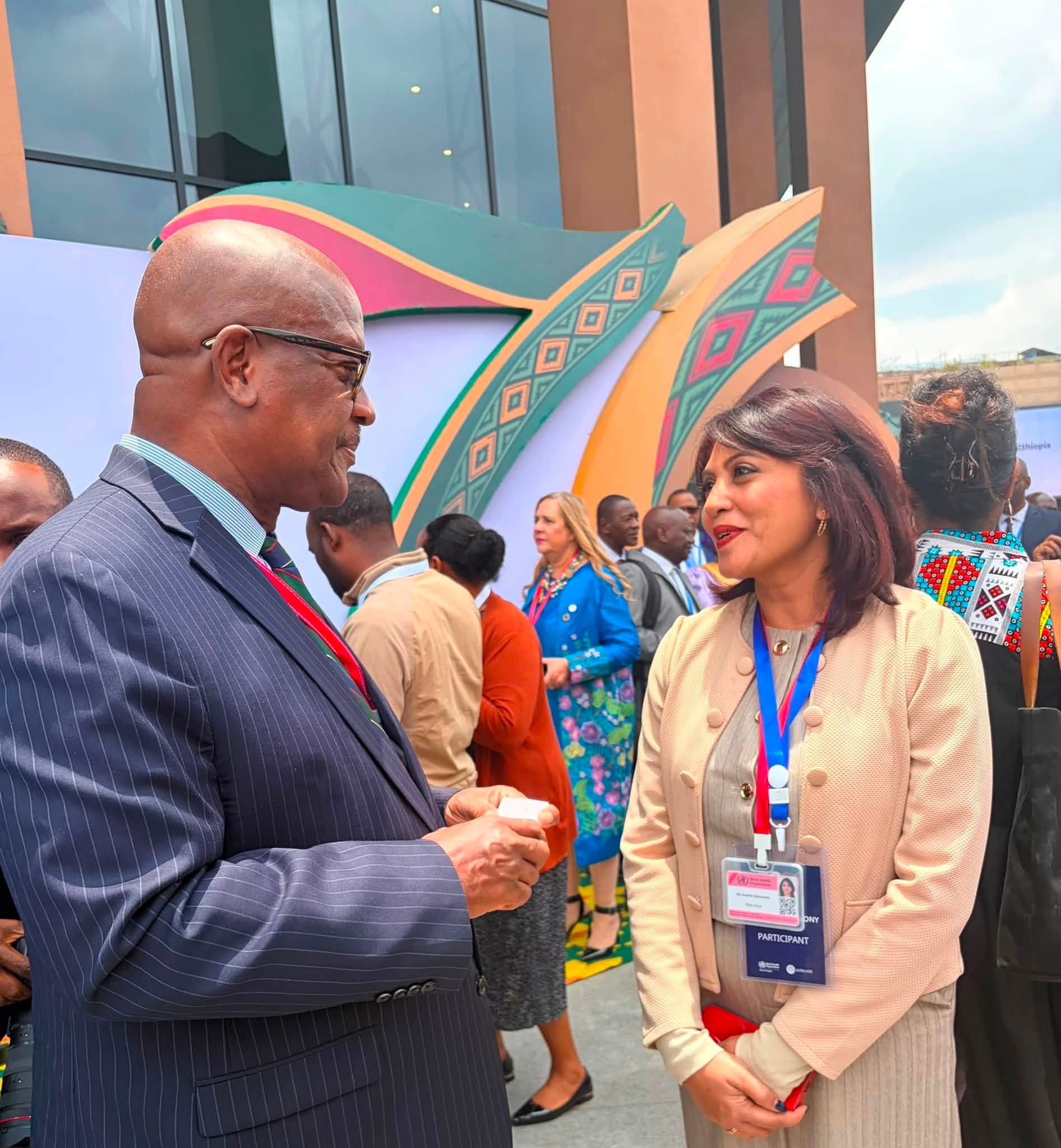
WHO Regional Director for Africa, Dr Mohamed Janabi, stressed that decisions taken during the session will influence health policies and guide healthcare investments across the continent for generations to come.
For Sierra Leone, Dr Demby’s participation provides an opportunity to share the country’s experiences while contributing to regional discussions on sustainable health financing, workforce development, emergency response, health information systems and early childhood development.
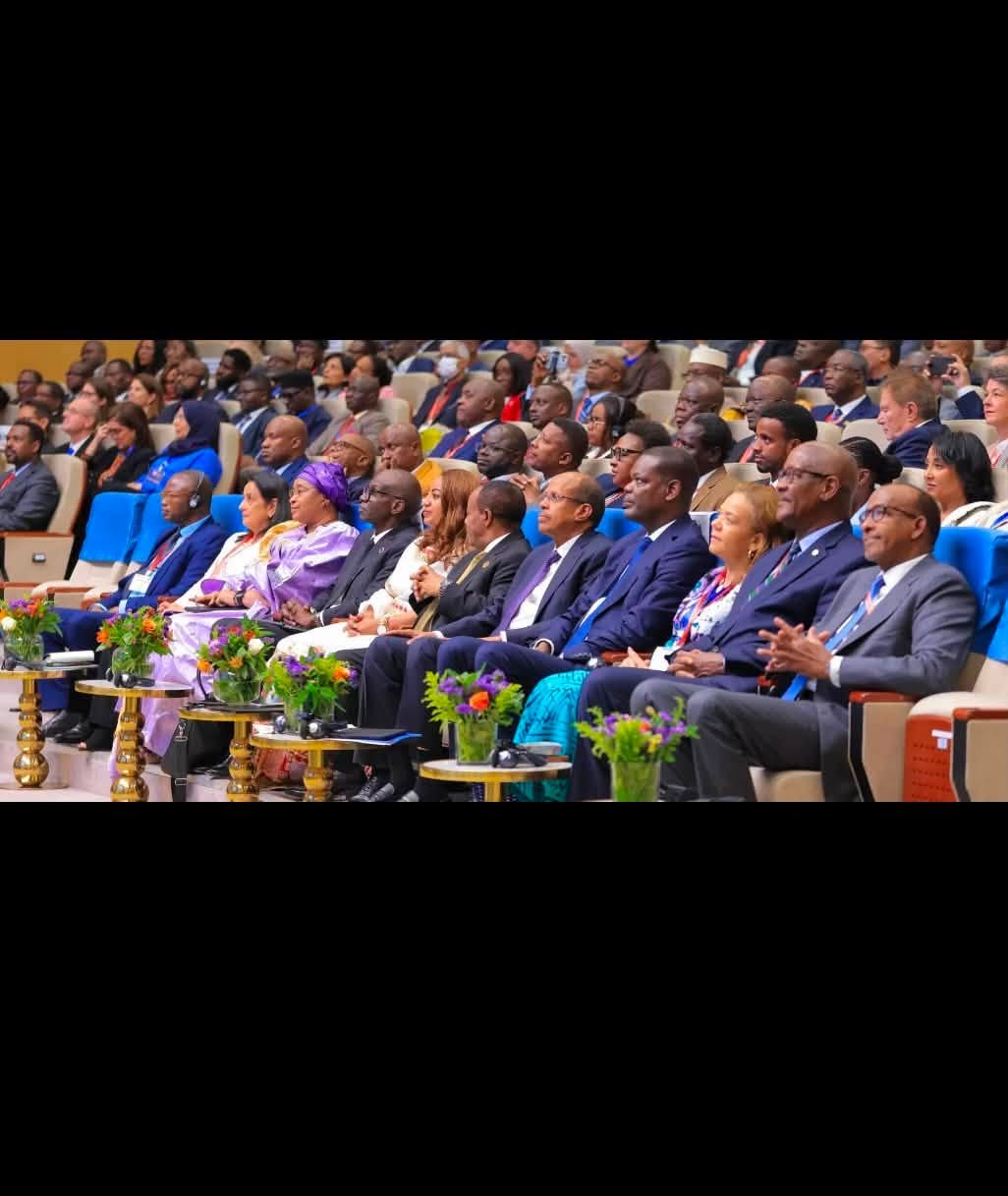
The Regional Committee is the WHO’s highest decision-making body in Africa, making the outcomes of RC76 significant for health policy, financing and investment across the continent.
As discussions continue in Addis Ababa, Sierra Leone remains focused on ensuring that regional commitments translate into practical actions that strengthen its health system and advance progress towards universal health coverage.