

Sierra Leone’s Hunger Level Remains ‘Serious’ in 2025 Global Hunger Index
 Osman Tolo Sesay
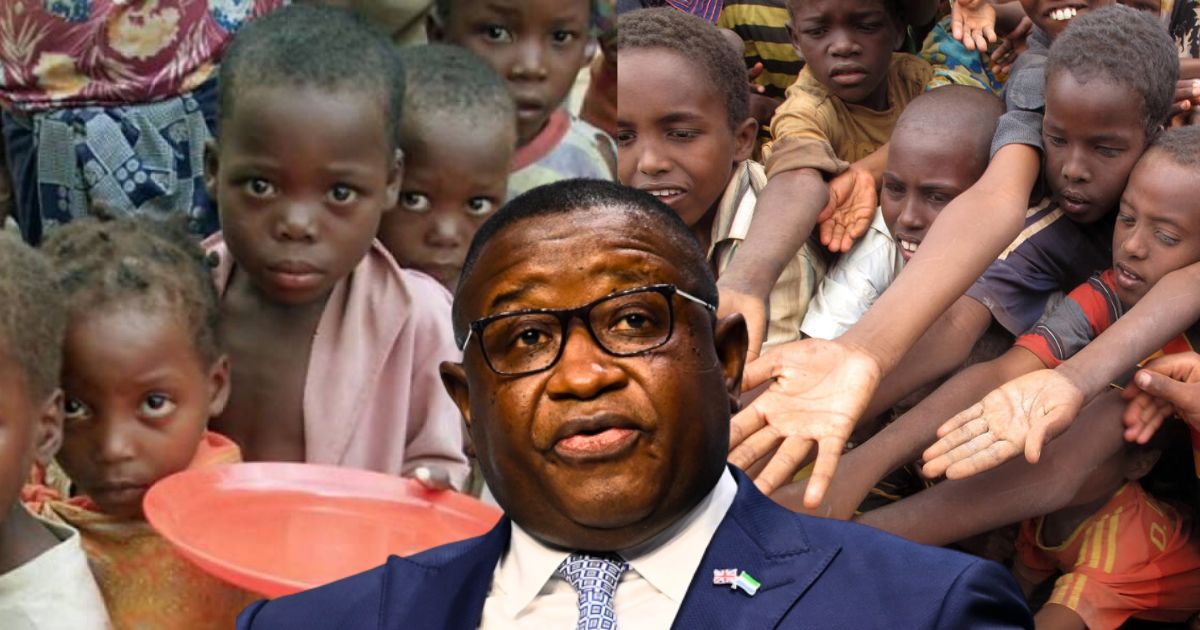
 Sierra Leone has ranked 108th out of 123 countries in the 2025 Global Hunger Index (GHI) report, indicating a “serious” level of hunger remains in the country.
With an improved score of 28.5—down from 31.3 in 2023 and 31.2 in 2024—the country has made notable strides in addressing food insecurity and malnutrition. Sierra Leone now ranks ahead of several nations facing higher hunger burdens, with countries like Chad, Madagascar, Yemen, Somalia, Burundi, and South Sudan experiencing “alarming” or “severe” conditions.
In several critical contexts, including Sudan, DPR Korea, and the occupied Palestinian territories, data gaps prevented the calculation of full 2025 GHI scores, though they followed the sequence of highly vulnerable nations. The recently released 20th annual report was prepared jointly by the Irish aid agency Concern Worldwide and the German organisation Welthungerhilfe.

The GHI is an annual report that measures and tracks hunger across the globe, using four key indicators: undernourishment, child stunting, child wasting, and child mortality. While Sierra Leone’s score reflects ongoing vulnerabilities in these areas, the 2025 report specifically commended the nation. It highlighted Sierra Leone—alongside Angola, Bangladesh, Ethiopia, India, and Nepal—as a prime example of a country where targeted policies and sustained investments are driving meaningful, concrete progress in reducing hunger.


However, the report highlights several ongoing areas of concern for Sierra Leone including:
Undernourishment: A significant portion of the population lacks sufficient caloric intake, impacting their health and productivity.
Child stunting: Many children under five suffer from chronic undernutrition, hindering their physical and cognitive development.
Child wasting: Acute undernutrition affects young children, increasing their risk of illness and death.
Child mortality: The rate of children dying before their fifth birthday remains an area requiring intervention, partly due to inadequate nutrition and unhealthy environments.
Despite these challenges, the report acknowledges the steady improvements made by Sierra Leone. It emphasizes, however, that these gains remain fragile, highlighting the need for sound policies that promote continued support, early-warning systems, climate resilience, and food systems transformation to protect and build on this success.
According to the report, the global GHI score now stands at 18.3, indicating a “moderate” level of global malnutrition, though overall global progress has stagnated since 2016 due to overlapping crises like armed conflict and climate shocks. A cohort of countries, including Belarus, Bosnia and Herzegovina, Chile, China, Croatia, Estonia, and the UAE, continue to hold the top rankings with the lowest hunger levels globally.
The GHI revealed that for the 2025 report, sufficient data was available to calculate scores and rank 123 countries by way of comparison, tracking the global trajectory toward the Sustainable Development Goal of Zero Hunger by 2030.