
20 Preventable Deaths, Over 1,000 Inmates Awaiting Trial; CHRDI Sounds Alarm Over Sierra Leone Prison Crisis
 Aaron Parker
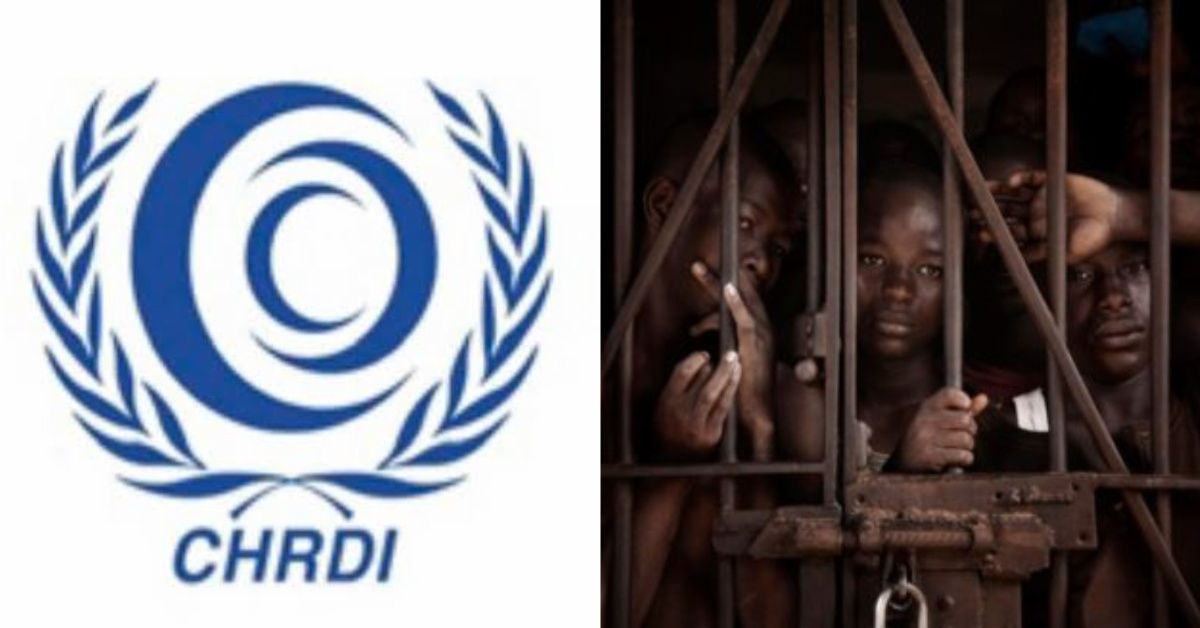
The Campaign for Human Rights and Development International (CHRDI) has declared a human rights emergency in Sierra Leone’s correctional facilities, reporting 20 preventable deaths since March 2026, more than 1,000 inmates awaiting trial and seven nursing infants and toddlers living in what it described as “toxic cells” at the country’s correctional centres in Freetown.
In a press release issued on 19 October 2026, following a monitoring mission conducted on 14 October at the Freetown Male Correctional Centre on Pademba Road and the New England Female Correctional Centre, the organisation raised concerns about overcrowding, prolonged pre-trial detention, alleged medical neglect and conditions affecting inmates’ health and dignity.
CHRDI, which holds Special Consultative Status with the United Nations Economic and Social Council (ECOSOC), accused the Government of Sierra Leone of failing to uphold constitutional protections and international human rights obligations.

“This is not merely institutional negligence; it is an active, state-tolerated humanitarian and human rights crime,” said Abdul M. Fatoma, Chief Executive of CHRDI.


He added that being deprived of liberty does not strip any individual of their constitutional and human rights.
According to the organisation’s findings, Pademba Road Correctional Centre holds 2,016 male inmates despite having an original capacity of 324, while the New England Female Correctional Centre officially records more than 184 female detainees.
CHRDI said more than two-thirds of the male inmate population comprises people awaiting trial, raising concerns about the constitutional presumption of innocence and access to timely justice.
The organisation’s audit identified 1,052 inmates awaiting trial, including 481 who were allegedly being held without formal indictments. It also reported that 108 inmates had experienced trial delays dating back to 2016, while 172 remand detainees had been awaiting committal since 2020.
Some detainees, CHRDI alleged, had been taken to court for more than 12 consecutive months without substantive hearings.
The group further reported that 21 drug-related suspects were being held under purported “safe custody” arrangements by the Transnational Organised Crime Unit (TOCU) without prompt judicial authorisation or legal representation.
It also identified 25 people imprisoned solely because they could not pay minor fines, including four reportedly detained for more than six months over a Le4,000 debt. Another woman, according to CHRDI, remained in custody despite being due to complete her sentence because she had not paid an outstanding Le15,000 fine.
The organisation additionally alleged that a young man released during a special prison court session was subsequently rearrested, while another person formally acquitted by a Supreme Court Justice had remained in detention for 12 months.
20 Deaths and Concerns Over Medical Care
CHRDI reported that 20 preventable deaths had occurred since March 2026, comprising 13 deaths inside correctional facilities and seven in hospitals.
The organisation attributed the deaths to conditions including severe anaemia, chronic malnutrition, untreated infections and what it described as medical abandonment.
Its monitoring mission also identified 18 active, smear-positive tuberculosis patients allegedly held without clinical isolation, alongside 48 inmates living with HIV/AIDS, comprising 37 men and 11 women.
CHRDI warned that the reported conditions posed serious health risks to inmates and called for appropriate treatment and infection-control measures.
The group further documented 19 people with acute psychosocial and cognitive disabilities, including 16 men and three women, who were allegedly held in punitive cells without the required psychiatric certification or care.
It also reported that 28 surgical procedures had been performed in infirmaries it described as inadequately equipped and lacking proper sterilisation, surgical and anaesthetic safeguards.
According to CHRDI, only one functional ambulance serves correctional facilities across the Western Region, while 19 clinical inpatients were reportedly receiving little or no access to essential medicines.
The organisation also raised concerns about the welfare of correctional officers, alleging that they lacked appropriate risk allowances and psychosocial support.
Alarm Over Food and Infant Welfare
The organisation described food provision at Pademba Road as inadequate, alleging that inmates received only two meals daily, consisting of bread and tea for breakfast and plain rice with local sauce for lunch.
CHRDI said the State allocated 23 bags of rice and 99 litres of palm oil daily for the more than 2,000 male inmates at the facility, a provision it argued fell short of the nutritional standards required under the United Nations Nelson Mandela Rules.
At the New England Female Correctional Centre, the group reported discrepancies between official records and its physical count of detainees.
While official registers reportedly listed 184 inmates, CHRDI said monitors counted more than 200 people, raising concerns about record-keeping and the possibility of individuals being held without proper documentation.
The organisation also reported that seven nursing infants and toddlers were living inside the facility under what it described as “toxic” conditions.
According to CHRDI, three of the children were born while their mothers were in custody and had allegedly lacked adequate obstetric, perinatal and paediatric healthcare.
The group said the reported conditions raised concerns about compliance with international protections for children and the United Nations Bangkok Rules governing the treatment of women prisoners and non-custodial measures for women offenders.
Urgent Government Action
Following its findings, CHRDI called on the Executive Branch, Judiciary, Ministry of Justice, Ministry of Internal Affairs, Ministry of Health and the Sierra Leone Correctional Service to take immediate action to address the reported conditions.
The organisation is demanding an independent physical audit of correctional facilities and their registers to identify discrepancies and prevent the detention of individuals outside official records.
It has also called for urgent judicial reviews of the cases involving the 481 inmates reportedly held without formal indictments and the 108 cases affected by prolonged delays.
CHRDI further urged the authorities to relocate the seven nursing infants and their mothers to appropriate welfare and maternal healthcare facilities.
On healthcare, the organisation called for clinical isolation and directly observed treatment for tuberculosis patients, uninterrupted antiretroviral therapy for inmates living with HIV/AIDS, and the transfer of the 19 detainees with reported psychosocial and cognitive disabilities to Kissy Psychiatric Teaching Hospital for appropriate assessment and care.
The group also demanded the release of the 25 people reportedly imprisoned over unpaid minor fines, alongside the adoption of non-custodial alternatives where appropriate.
It further called for the deployment of properly equipped emergency ambulances, statutory risk allowances, improved remuneration and mental health support for correctional officers.
CHRDI said the alleged conditions raised serious questions about Sierra Leone’s obligations under its 1991 Constitution and international human rights instruments, including the International Covenant on Civil and Political Rights, the African Charter on Human and Peoples’ Rights and the United Nations Convention Against Torture.
The Government of Sierra Leone had not publicly responded to the allegations as of the publication of CHRDI’s statement.
The organisation said it would continue monitoring the correctional facilities as it pressed the relevant authorities to address the concerns raised in its report.