

Falaba Farmers Raise Alarm Over Crop Destruction by Suspected Cattle Herdsmen From Mali
 Deborah Sorie
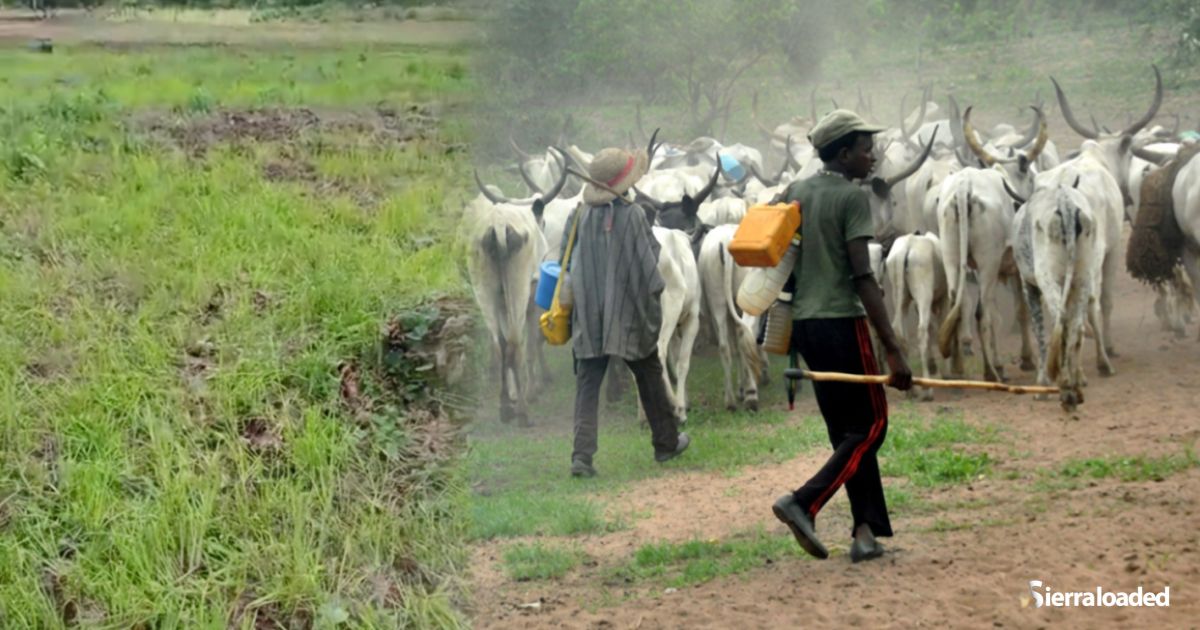
 Farmers in Falaba District are raising urgent concerns over the widespread destruction of crops by cattle owned by foreign herders, reportedly from Mali, accusing local authorities including the police and paramount chiefs of failing to protect their livelihoods.
In a statement issued to the press, Sulaiman Daffae, a community representative, said the destruction has hit Kamadugu-Yiraia Chiefdom and Morifindugu Chiefdom the hardest, leaving many farming families facing severe economic hardship and food insecurity.
“Agriculture is their primary source of livelihood. Unfortunately, crops cultivated through months of hard work are being destroyed, leaving families with severe economic hardship and food insecurity,” Daffae said.

The grievances come amid a growing perception among community members that traditional authorities and other officials have failed to respond adequately to complaints. Several residents have expressed frustration that their concerns have not received sufficient attention from the relevant authorities, weakening public confidence in local governance.


Daffae also raised concerns about the effectiveness of immigration and customs authorities in monitoring cross-border movements and ensuring that applicable laws and regulations are enforced. The issue of foreign cattle entering Sierra Leone through unofficial entry points has been a longstanding challenge in Falaba District, which shares a porous border with Guinea. Reports indicate that herders from Mali and Guinea push their livestock into Sierra Leone in search of pasture, often via unofficial routes, complicating efforts to regulate the movement of animals.
The continued destruction of farms and the lack of timely intervention, Daffae warned, risk creating tension between local farming communities and cattle owners.
“Our people desire peace and do not wish to witness any conflict or violence. It is therefore essential that this matter be addressed urgently before the situation escalates further,” he said.
The crisis mirrors similar incidents in the region. In 2022, a clash between a community in Sierra Leone and a neighbouring one across the border in Guinea resulted in two deaths and several houses being torched. Ibrahim Sorie Sesay, Chairman of the Falaba District Council, previously told The EastAfrican that the influx of foreign cattle was “undermining peace and stability in the district” and frustrating farmers.
According to Sesay, at least 3,000 foreign cattle are estimated to be within Falaba District alone, with herders often paying local chiefs to allow their herds to stay, sometimes in the form of live cattle. This has led to suspicions that some traditional leaders are reluctant to act when farmers report crop destruction.
Daffae has appealed to the Resident Minister for the North-East Region and the Minister of Local Government and Community Affairs to urgently intervene, calling also on security agencies, agricultural authorities, and regional stakeholders to investigate the complaints and implement lasting measures.
“The people of Falaba District deserve justice, protection, and confidence that their concerns will be addressed in accordance with the law,” he said.
The appeal follows a similar call made earlier this month by farmers across the district, who urged government authorities, traditional leaders, and security institutions to address the growing problem of roaming cattle destroying farms. They warned that if the issue is not resolved, it could escalate into tensions reminiscent of previous clashes in the Serekolia Morifindugu Chiefdom.
In May 2026, Sierra Leone Police arrested nine commercial motorbike riders transporting suspected Malian nationals in Mongo Bendugu, Falaba’s district headquarters, in an operation aimed at curbing unauthorized border crossings. Authorities have also announced plans to establish animal quarantine stations in border districts like Falaba to better manage livestock movements.
However, for the farmers of Kamadugu-Yiraia and Morifindugu chiefdoms, such measures have yet to translate into protection for their fields. With the farming season underway, they say time is running out.