

HRCSL Takes Fight Against Stigma to Religious Leaders Across Sierra Leone

 Sia Lucy Kannah
 The Human Rights Commission of Sierra Leone (HRCSL) has taken its campaign against stigma and discrimination to religious leaders, engaging 180 faith leaders and civil society organisation (CSO) representatives across the Southern and Eastern regions.
The four-day regional capacity-building workshop was designed to strengthen the role of religious leaders in addressing stigma and discrimination against key populations and promoting greater respect for human rights within communities.
The initiative was organised with support from the Global Fund, World Vision International, and the National AIDS Secretariat, with sessions held over two days each in Bo and Kenema.

In Bo, participants from the Southern Region attended sessions at the Sierra Leone Library and City Council Hall, before the programme moved to Kenema, where Eastern Region participants gathered at the District Health Medical Hall.
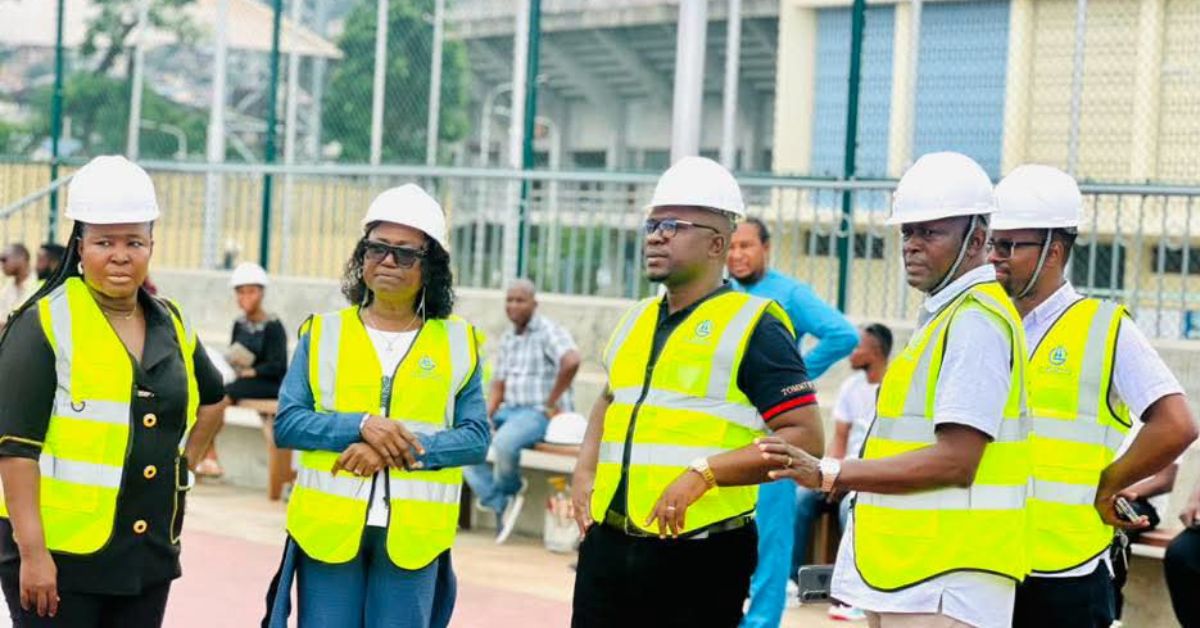
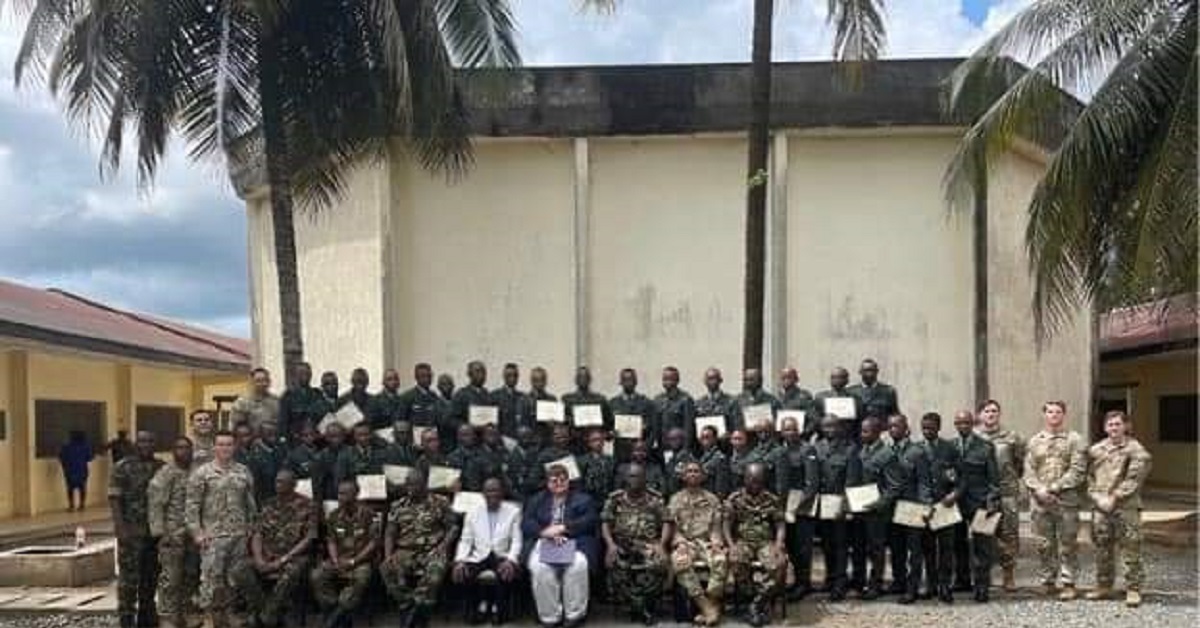
The sessions were led by Richard Tamba Mbayo, Director of the Directorate of Education, Capacity Building and Training (DECT) at the HRCSL, and focused on connecting religious teachings with universal human rights principles.
Discussions centred on shared values including compassion, love, justice, and human dignity, while also examining their relationship with Sierra Leone’s 1991 Constitution and international human rights instruments such as the Universal Declaration of Human Rights.
The HRCSL used the engagement to encourage religious leaders to challenge misinformation and stereotypes that contribute to stigma, while promoting greater acceptance and protection of marginalised groups within their congregations and communities.
Participants were also encouraged to use their influence to create safe and inclusive spaces, listen without judgement, and support equal access to essential health and social services.
Religious leaders participating in the workshop expressed their commitment to incorporating messages of empathy, inclusion, and human rights into their sermons and community outreach activities.
The HRCSL said the engagement forms part of efforts to strengthen social cohesion and promote a more inclusive society by working with influential community and faith-based leaders across Sierra Leone.