

King Kappr Thally Bah Questions Independence of Civil Society Organisations in Sierra Leone
 Alex Fefegula Harding
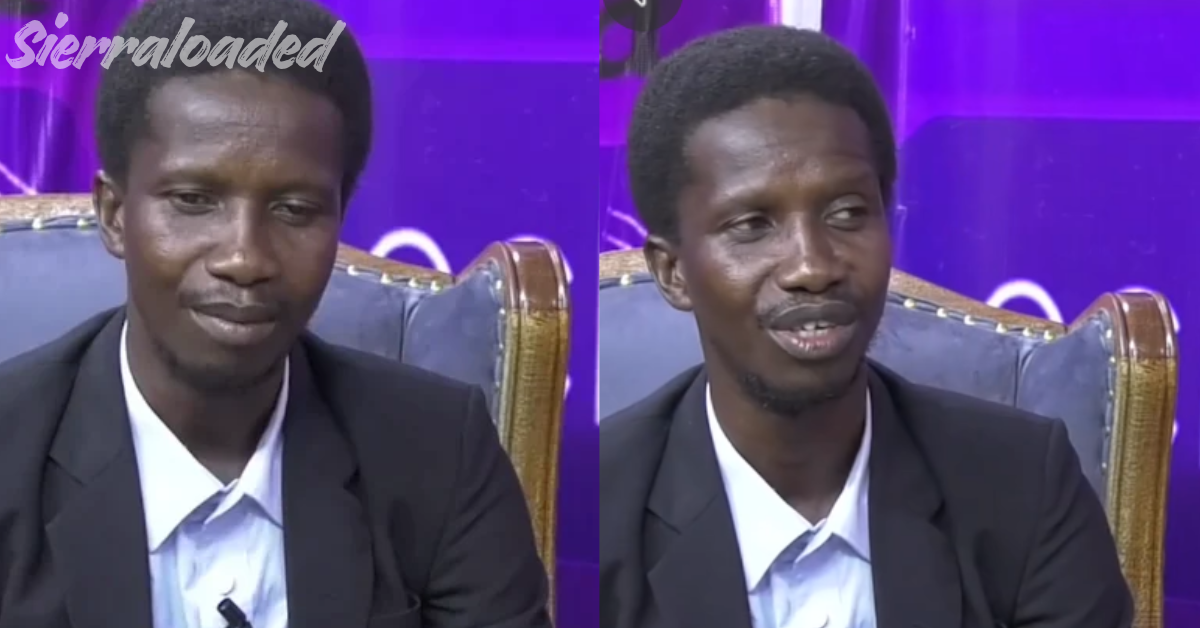
The financial dependence of civil society organisations on government institutions could undermine their ability to demand accountability, King Kappr Thally Bah, president of the National Union of Civil Society Organisations in Sierra Leone, has warned.
Bah made the remarks during an interview with Echo Media on Tuesday, Nov. 3, 2026, while discussing the responsibilities of institutions in representing citizens and holding public authorities accountable.
He argued that civil society organisations and the media have important responsibilities in ensuring that government institutions answer for their actions and address concerns affecting ordinary Sierra Leoneans.

“The media has a very significant role to play in speaking out and holding government institutions accountable. Civil society also has the responsibility and the mandate to hold government institutions accountable,” Bah said.


He explained that civil society organisations are expected to identify problems within communities and bring them to the attention of the institutions responsible for addressing them.
However, he identified financial dependence as a major obstacle to effective civil society advocacy, particularly when organisations rely on institutions they are expected to scrutinise for operational support.
Using the health sector as an example, Bah described how activists who raise concerns about inadequate hospital staffing, medical equipment and other service-delivery challenges may face resistance from the authorities responsible for addressing those shortcomings.
He argued that such circumstances could discourage organisations from consistently challenging public institutions and contribute to the decline of independent advocacy groups.
Bah also questioned whether Parliament was adequately representing the interests of Sierra Leoneans, arguing that the current legislature has increasingly prioritised political party interests over the concerns of constituents.
He maintained that parliamentary representation should be centred on citizens rather than party affiliations, particularly given Parliament’s responsibility to scrutinise government activities.
The civil society leader further reflected on Sierra Leone’s post-war development, questioning whether institutions had sufficiently fulfilled their responsibilities since the civil war officially ended in 2002.
His remarks highlighted the importance of strengthening institutional independence and ensuring that civil society, the media and Parliament remain accountable to the people they are constitutionally or institutionally expected to serve.