

Sierra Leone’s Gold Surge Outshines Diamond Slump as Mining Sector Charts New Path
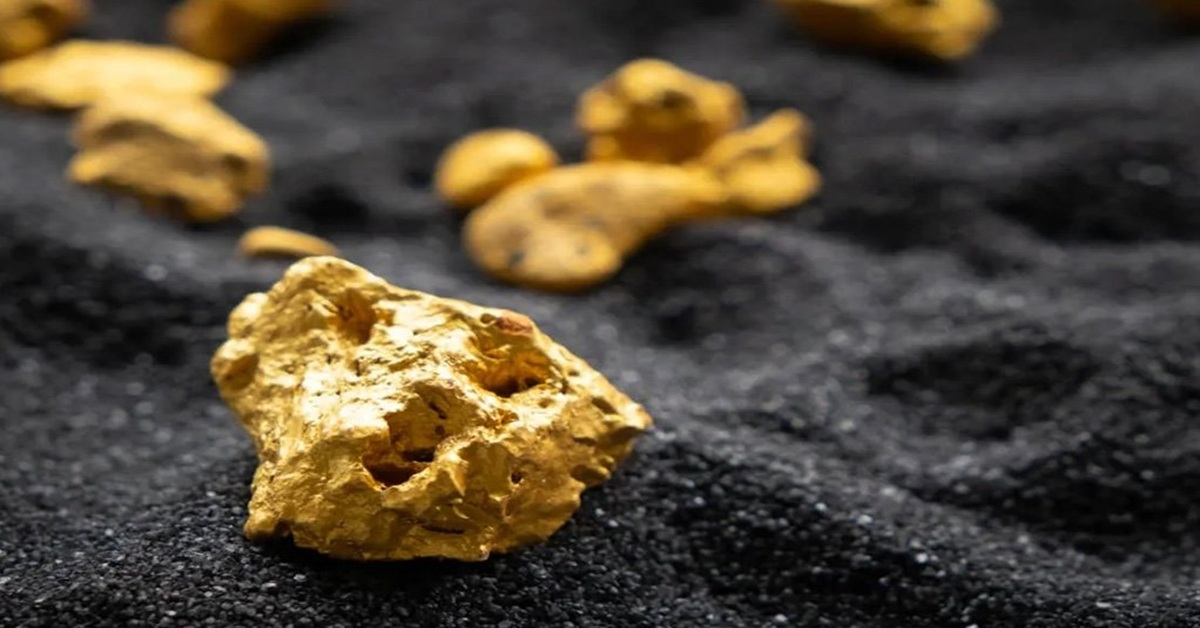
Gold exports skyrocketed by more than 400% in the first half of 2026, positioning the precious metal as a new pillar for Sierra Leone’s mining sector even as total mineral exports dipped 8.2% amid a steep decline in diamond and mineral sands shipments.
The figures, presented by President Julius Maada Bio during his State Opening Address to Parliament, revealed a sector in transition where record growth in gold could not fully offset broader headwinds. Mineral exports for the first half of 2026 totalled US$651.7 million, down from the same period a year prior. This follows a banner year in 2025, during which annual mineral exports reached US$1.3 billion, a 16% increase over 2024.
While gold exports posted a staggering 410.6% rise, the country continues to lean heavily on iron ore, which accounts for 73.3% of all mineral exports, with a single operator responsible for nearly 65% of that volume. President Bio stressed this concentration highlights the urgent need for diversification to protect the national economy from shocks tied to any single commodity.

Despite the first-half drop, the sector’s fundamentals appear resilient. Non-tax revenue from mining rose by 21.3% to US$30.2 million, and formal employment grew by 10.3% to 15,543 jobs, with Sierra Leoneans holding more than 92% of those positions. The government is also formalising artisanal mining and strengthening oversight through new digital tracking systems.

Community and Environmental Focus
President Bio underscored that the mineral wealth must deliver greater prosperity for citizens, urging transparent management of the approximately NLe146 million contributed by two major mining companies to Community Development Funds in 2025. He directed that these resources be used for local priorities such as roads, water, schools, and healthcare. Environmental obligations were also highlighted, with expectations that mining firms rehabilitate affected land.
The administration is pursuing what Minister of Mines and Mineral Resources Julius Daniel Mattai recently described as an “economic and ethical contract of our age,” seeking to ensure resource extraction translates into shared prosperity. The government noted that women now represent 18.6% of the mining workforce, with their share in senior management rising from 15% to 20.4%.