

New Evangelical Association SLEMA Launched to Strengthen Churches Across Sierra Leone
 Sahid Bangura
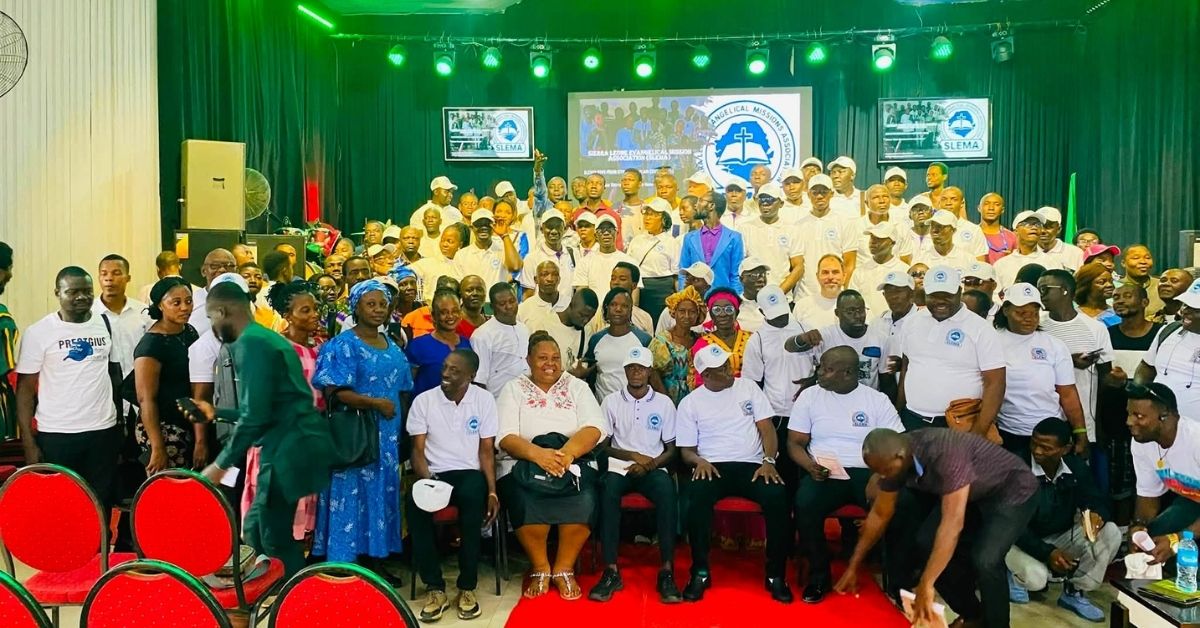
 The Sierra Leone Evangelical Mission Association (SLEMA) has been officially launched in Bo City with a mandate to strengthen churches, equip missionaries and Christian leaders, mobilise believers and expand Gospel mission across Sierra Leone and beyond.
The launch, held on Saturday, 22 August 2026, brought together pastors, missionaries, church leaders, Christian workers, young people and other stakeholders, as well as national and international mission leaders and partners.
The inauguration followed a training programme for SLEMA’s executive members focused on missionary leadership, church-missionary collaboration, leadership development, mission mobilisation and the development of a sustainable and multiplying mission movement.

SLEMA President, Evangelist Thomas Amara, outlined the association’s background, vision, mission, core values and leadership structure during the opening session. He also explained SLEMA’s strategic direction and its commitment to strengthening the Church and expanding missionary engagement throughout the country.


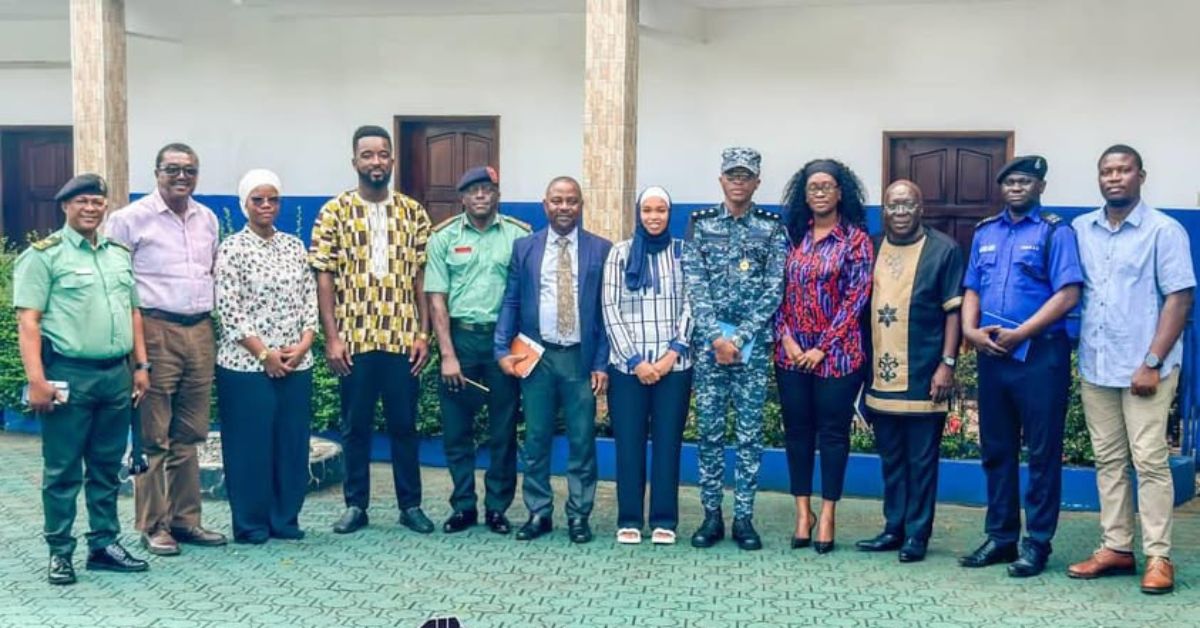
Amara later formally appointed members of the association’s executive to their respective offices, completing the leadership structure that will oversee the implementation of SLEMA’s programmes at national and district levels.
A key focus of the launch and training was the relationship between missionaries and local churches.
SLEMA Board Chairman, Rev. Johnson, said effective missionary work requires missionaries to operate in partnership with local congregations rather than independently.
Drawing on Acts 13:1–3, he cited the church at Antioch as a model of a congregation that prayed, discerned God’s direction and commissioned missionaries for service.
Johnson described missionaries as servant leaders, pioneers and church planters whose responsibilities extend beyond evangelism and church planting to include discipleship, indigenous leadership development and the establishment of churches capable of sustaining ministry after missionaries leave.
He said sustainable mission should be measured by multiplication, including the development of more disciples, leaders, churches and missionaries.
Johnson also called for clear agreements between missionaries and churches covering shared vision, responsibilities, accountability, communication, resource sharing, measurable objectives and continuing leadership development.
He urged churches to move away from treating mission as the responsibility of a small group of individuals and instead involve their wider membership through prayer, giving, going, supporting missionaries and developing leaders.
The training also featured a keynote presentation by John Allert, an international mission leader from London, who challenged SLEMA’s executive members to focus on building a mission movement rather than concentrating primarily on programmes and events.
Allert said an effective movement requires a clear vision, a simple and transferable message, rapid multiplication and strong participation at the grassroots.
He identified mission mobilisation as a key component of such a movement, describing mobilisers as people who raise awareness, educate Christians, recruit others and help churches rediscover their missionary responsibility.
According to Allert, mobilisation should begin with God and prayer, while involving church leaders and strategic partners who can provide expertise, training, resources and experience.
He presented a four-part framework-God’s Word, God’s World, God’s Work and “Where Are You?”—to help Christians understand God’s mission, recognise the needs of the world, identify practical opportunities for involvement and determine their personal role.
Allert also outlined five ways Christians can participate in mission: going, sending, praying, welcoming and mobilising.
He stressed that mission participation does not necessarily require travelling to distant countries or communities, but can include prayer, financial and practical support, hospitality, cross-cultural relationships, professional skills and community engagement.
Multiplication was another major theme of the training. Allert encouraged SLEMA’s mobilisers to identify and train others who can reproduce the same work.
Using a model in which one mobiliser develops two others, who then repeat the process, he demonstrated how a relatively small group of trained mobilisers could expand significantly over time.
For SLEMA, the approach places the emphasis on developing a culture of mission participation within churches and communities rather than measuring success solely by conferences, training sessions or mission events.
The association intends to take mission mobilisation into local churches, communities, schools, universities and professional networks, while engaging children, young people, students, professionals, church leaders, missionaries and older Christians.
SLEMA’s launch therefore establishes the association as a national platform for mission mobilisation, missionary development, church collaboration, discipleship, church planting and leadership development.
The association aims to strengthen cooperation among evangelical churches, missionaries and mission organisations while creating opportunities to equip believers and engage communities that remain underserved or unreached by the Gospel.
The Bo launch marks the beginning of SLEMA’s effort to develop a broader national mission movement rooted in local churches and sustained through multiplication.
With its executive leadership now formally appointed, SLEMA is expected to move from its launch and training phase into implementation, strengthening partnerships and equipping churches and believers to participate actively in mission across Sierra Leone and beyond.