
Foreign Affairs Minister Signs Agreements With Six International Aid Organisations
 Sia Lucy Kannah
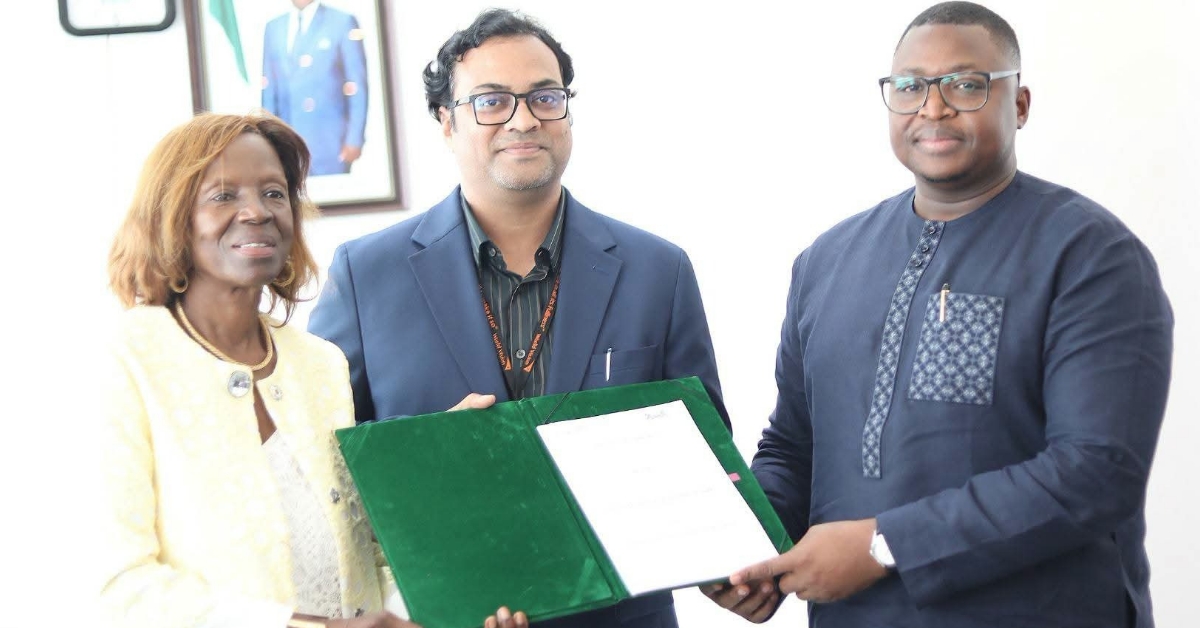
 The Minister of Foreign Affairs and International Cooperation, Alhaji Timothy Musa Kabba, on Thursday, 6th August 2026, signed agreements with six international aid organisations aimed at strengthening accountability, legal clarity, and coordination in the implementation of development programmes across Sierra Leone.
The agreements establish a clear legal and institutional framework governing relations between the Government of Sierra Leone and the organisations while safeguarding the country’s sovereignty and jurisdiction. They also define the rights and responsibilities of both parties, enabling the organisations to effectively implement programmes in health, education, child protection, food security, humanitarian assistance, and economic development.
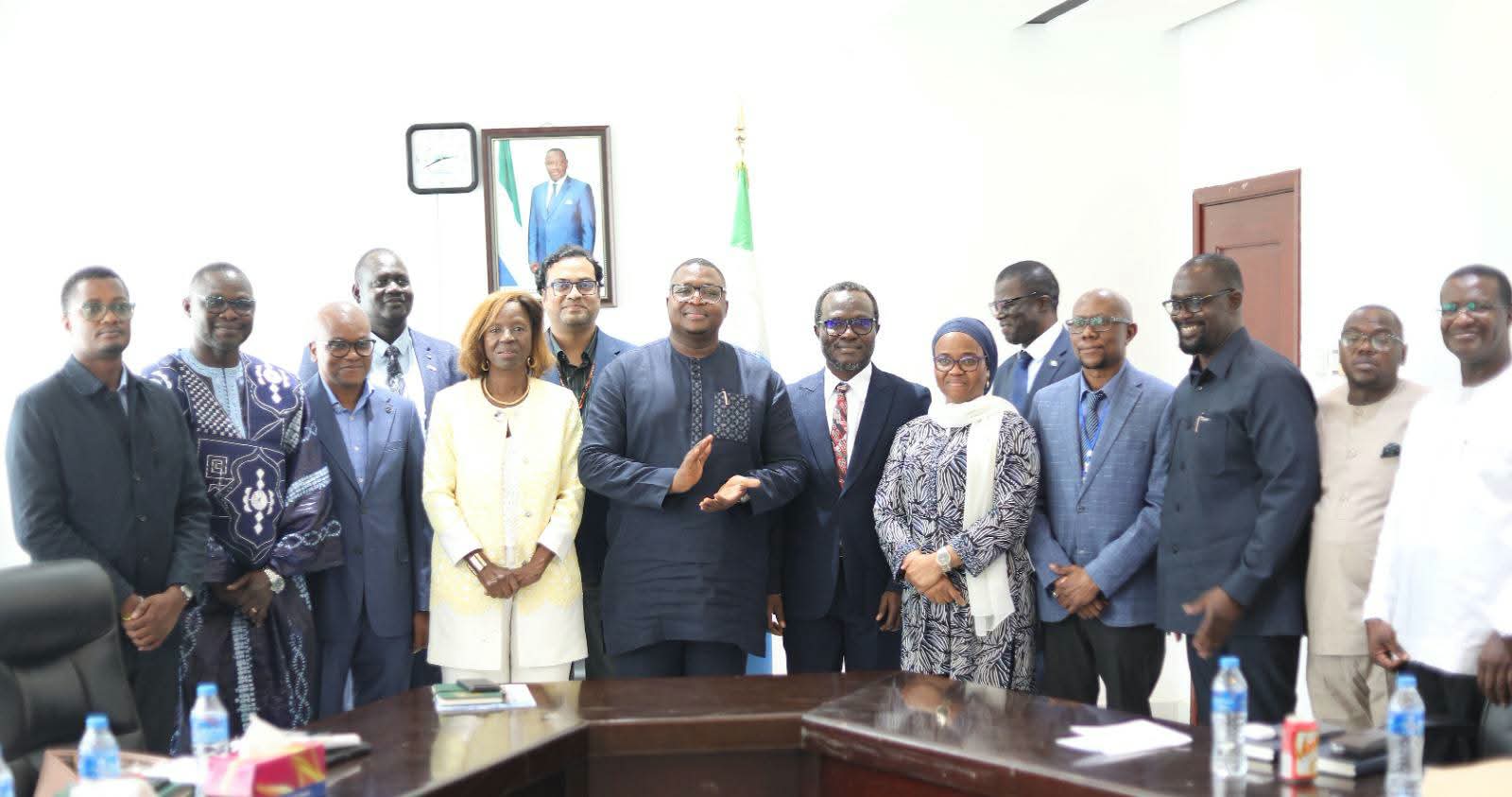

Speaking during the signing ceremony, Minister Kabba said the agreements followed Cabinet’s approval earlier this year of guidelines governing partnerships with international non-governmental organisations. He described the move as part of the government’s broader efforts to promote transparency, consistency, and accountability in its engagement with international development partners.

The six organisations that signed the agreements are ChildFund Sierra Leone, Catholic Relief Services, Médecins Sans Frontières, Partners In Health, Plan International Sierra Leone, and World Vision International Sierra Leone.
Also speaking at the event, the Minister of Planning and Economic Development, Kenyeh Barlay, described the signing as the culmination of years of discussions and a significant milestone in formalising partnerships with organisations that have supported Sierra Leone’s development across key social sectors, some for several decades.
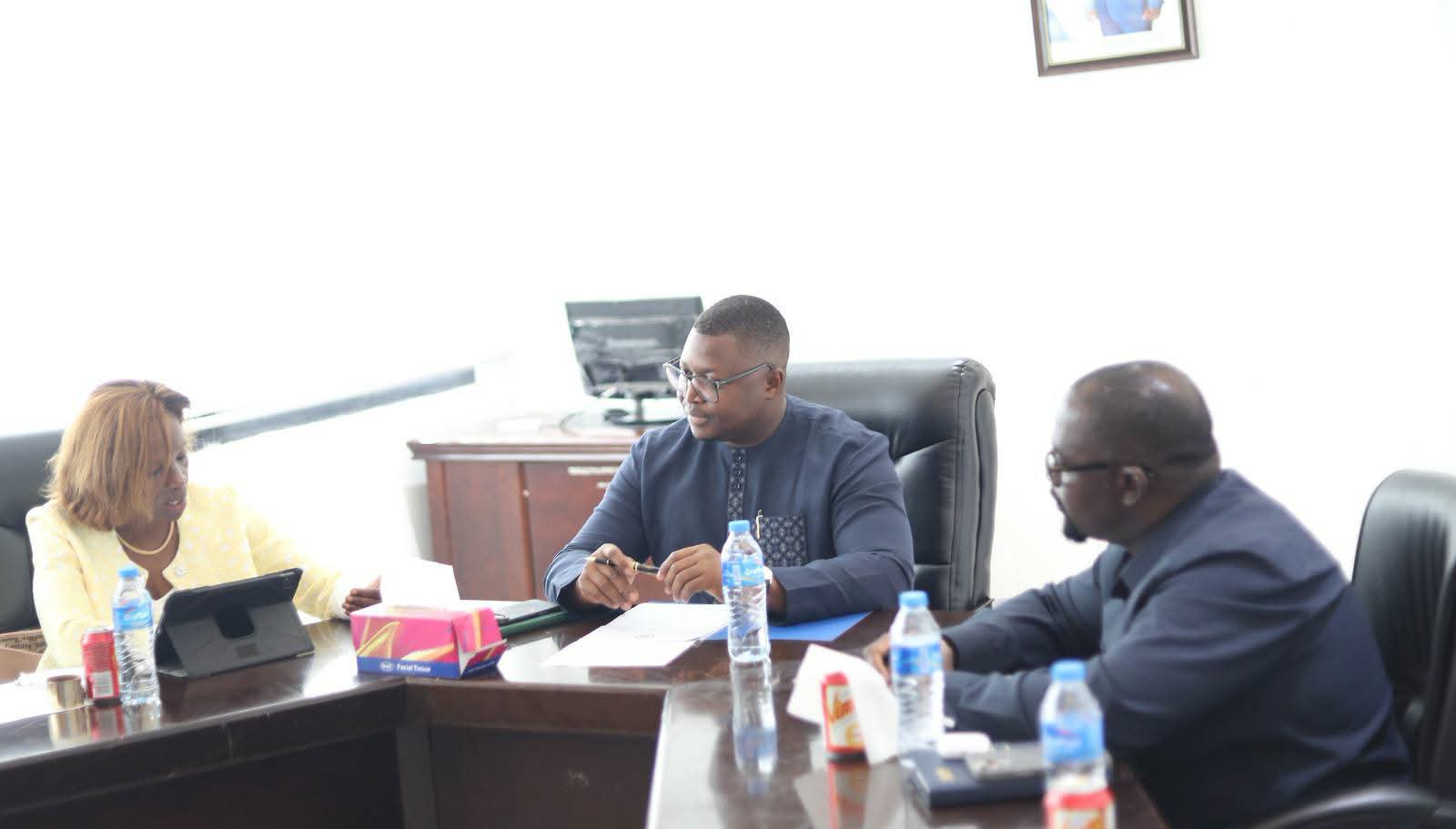
Barlay said the agreements represent more than legal instruments, describing them as expressions of mutual trust and shared purpose. She noted that the framework provides the organisations with legal recognition, operational assurance, and protection as they continue supporting the country’s development agenda.
She further urged the organisations to strengthen coordination not only with central government institutions but also with district authorities and local governance structures, particularly in hard-to-reach communities, to ensure development interventions reach those who need them most.
Wow!!!. Good ideas. I just don’t know how many of the least are going to benefits. And here is the thing, no mention of electricity and water wells at every corner of Sierra Leone villages. Samabu, kpusur, Solima, Malela, Fulawahun. Liyea, Failor, etc, etc, etc, etc. I will like to see that done in Jesus name. Amen. Peace, respect and love. God bless Sierra.