
Government is Committed to Feeding Sierra Leone, Africa And The World – Chief Minister Sengeh
 Aminata Koroma
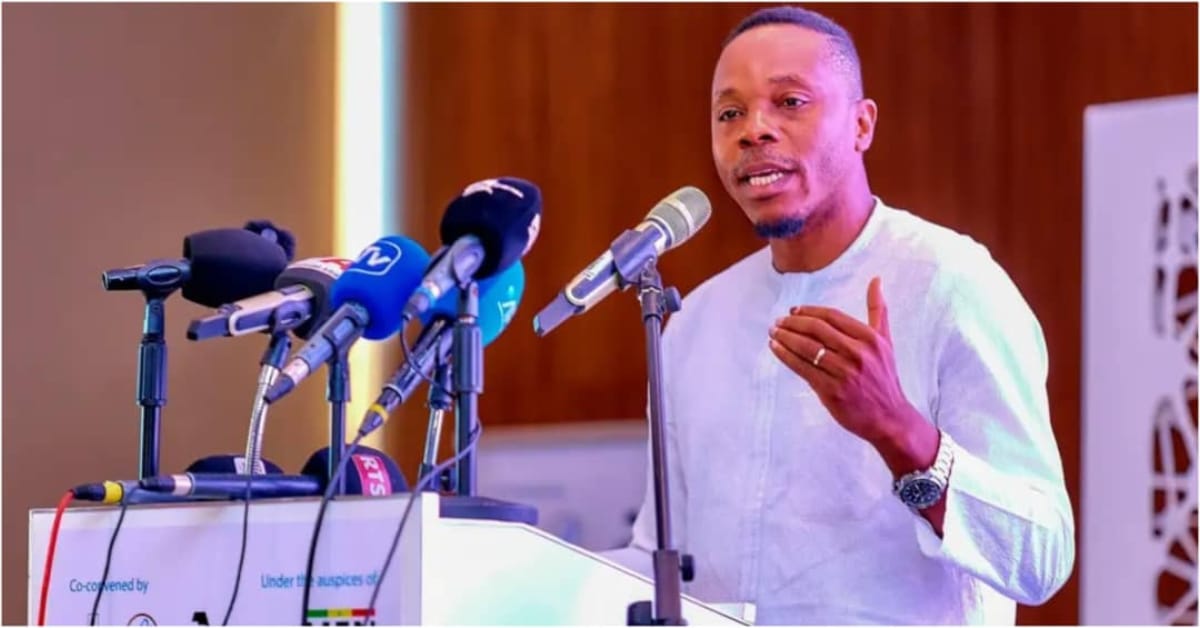
 Chief Minister Dr David Moinina Sengeh has highlighted Sierra Leone’s investment in food sufficiency and the country’s broader vision to help Africa emerge as a global food basket.
Speaking at the African Food Systems Forum 2026, Dr Sengeh said Africa has all the major ingredients needed to become the food basket of the world, including vast arable land, labour, traditional knowledge, modern technology, favourable climate and water resources.
He stressed that the opportunity should not be viewed as belonging to one country alone, but to the African continent as a whole.

“Not Rwanda, not South Africa, not Morocco, and not Sierra Leone alone. The opportunity is Africa’s,” Dr Sengeh said.
He called for greater collaboration among African countries, urging them to “think together, build together, plant together, harvest together, and share.”
According to the Chief Minister, this is the thinking behind food systems approaches and investments in food corridors, which he said could help address the structural challenges affecting agricultural production and trade across the continent.
Dr Sengeh also highlighted Sierra Leone’s recent role in regional and international affairs, noting that President Julius Maada Bio had just completed his tenure as Chair of ECOWAS, while Sierra Leone concurrently served on the United Nations Security Council.
He said President Bio used these platforms and engagements across West African capitals to elevate discussions around regional integration and food systems.
As part of these efforts, Dr Sengeh disclosed that a US$1 billion food systems investment fund for West Africa had been launched, including a dedicated US$500 million rice investment.
He said the initiative had already attracted commitments, with US$100 million and other partners expressing interest in joining the investment instrument.
The Chief Minister added that Sierra Leone’s goal is to ensure that the necessary systems and processes are in place ahead of the country hosting the West Africa Integration and Investment Summit.
He further pointed to the enormous potential of the West African rice sector, noting that the region produced close to 24 million metric tonnes of rice in 2023, while importing approximately 10 million tonnes at a cost of more than US$3.5 billion.
Dr Sengeh said the deficit reflects insufficient competitive production and fragmented markets, adding that local rice would remain uncompetitive if farmers continue to face poor transportation, inefficient water management and limited working capital.
He said Sierra Leone’s flagship development agenda is designed to address these challenges at home by strengthening the country’s ability to feed itself.
“Our commitment is that we must feed ourselves,” he said, while highlighting plans to develop corridors, roads linking Sierra Leone with Guinea and Liberia, bridges connecting markets and farms, as well as infrastructure and technology that the private sector can leverage.
Dr Sengeh emphasised that food corridors require more than farms, noting that they also depend on roads, bridges, trucks, ships, ports, storage facilities, markets and other supporting infrastructure.
He therefore called for a renewed focus on the investments and policy reforms needed to unlock Africa’s agricultural potential and transform food systems into engines of wealth and development.
“Africa is not the end game. We’re here to share our investment opportunities and show you just how prepared we are,” he said.
“We’re committed to feeding Sierra Leone. We’re committed to feeding Africa. And we’re committed to feeding the world.”
Dr Sengeh concluded by reaffirming Sierra Leone’s commitment to working with regional and international partners to deliver on Africa’s food systems potential.