
Government Warns 2014 Ebola Survivors of Vulnerability to New Strain
 Sahid Bangura
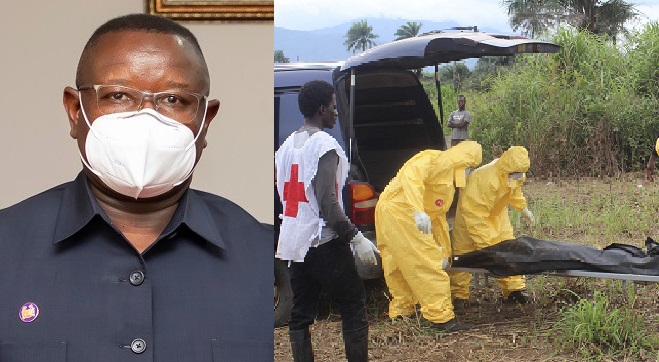
The National Public Health Agency (NPHA) has warned survivors of Sierra Leone’s 2014 Ebola outbreak that they remain vulnerable to reinfection, cautioning that immunity from the previous outbreak may not protect them against the Bundibugyo strain currently under regional surveillance.
Harold Thomas, Health Promotion, Risk Communication and Community Engagement (RCCE) Adviser at the NPHA, issued the warning during an appearance on AYV, urging survivors and the wider public not to assume they are immune to Ebola because they previously contracted and recovered from the disease.
Thomas explained that the 2014 outbreak, which killed nearly 4,000 people in Sierra Leone, was caused by the Zaire strain of the Ebola virus, while the current regional concern involves the distinct Bundibugyo strain.

He said immunity following infection with one strain does not guarantee protection against another. He also cautioned that vaccines used against the Zaire strain, including Ervebo, should not be assumed to provide protection against the Bundibugyo strain.


“There is a false sense of security among some survivors. We want them to know they are still vulnerable,” Thomas said.
The NPHA adviser also highlighted the need to improve access to reliable health information for vulnerable groups, particularly persons with disabilities, who may face barriers to receiving timely public health messages.
He called for stronger community awareness campaigns and more inclusive risk communication to ensure that critical information reaches all sections of society.
Thomas further warned that the Bundibugyo strain may present with less pronounced symptoms than the Zaire strain in some cases, potentially causing infected people to underestimate their condition and continue interacting with others. He said such behaviour could increase the risk of transmission within communities.
The NPHA is advising the public to maintain good hand hygiene, seek prompt medical attention if they develop symptoms such as fever or unusual weakness, and report any unusual bleeding to the nearest health facility. Residents have also been urged to follow official public health guidance.
The agency said it is working with the World Health Organization and neighbouring countries to strengthen disease surveillance, including monitoring at border points, as regional authorities continue to assess the situation.
The warning comes as health authorities stress the importance of public vigilance, early reporting of suspected symptoms and accurate information to help prevent the spread of Ebola.