

Government Launches First Advanced Field Epidemiology Training Programme

 Sia Lucy Kannah
 The Government of Sierra Leone, through the Ministry of Health and the National Public Health Agency (NPHA), has launched the country’s first Advanced Field Epidemiology Training Programme (Advanced FETP) to strengthen national capacity in disease surveillance, outbreak investigation, emergency response, and public health decision-making.
The programme is designed for experienced public health professionals and represents a major investment in building a skilled epidemiology workforce capable of responding to emerging and re-emerging infectious diseases and other health emergencies.
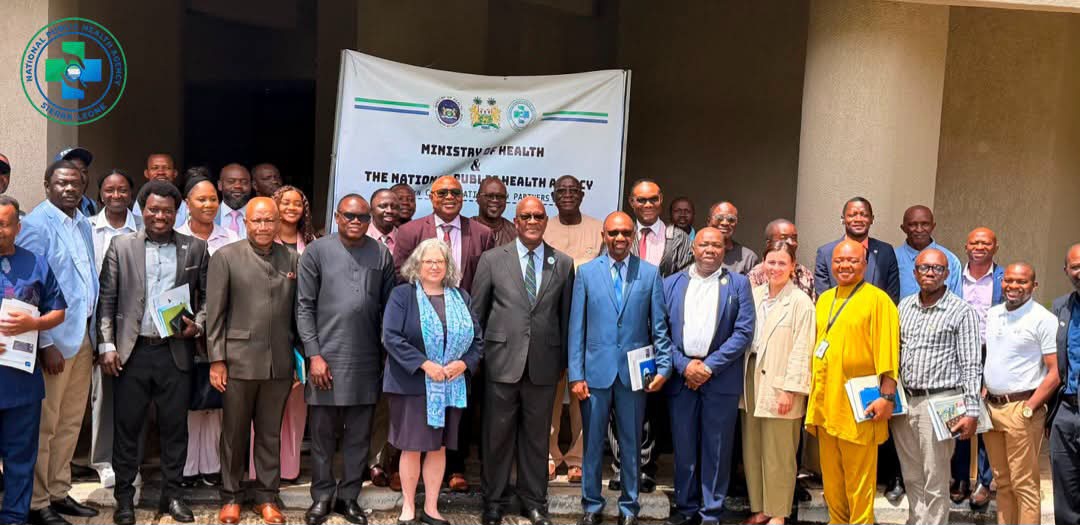

Speaking at the launch, Chief Medical Officer at the Ministry of Health, Sartie Kenneh, said investing in highly trained field epidemiologists is critical to protecting communities, strengthening surveillance systems, and ensuring Sierra Leone remains prepared for future public health threats.



He described the Advanced FETP as the highest level of field epidemiology training in the country, designed to equip professionals with the skills to lead complex outbreak investigations, mentor future epidemiologists, conduct operational research, and support evidence-based interventions.
The launch was attended by representatives from the College of Medicine and Allied Health Sciences, University of Sierra Leone, African Field Epidemiology Network (AFENET), World Bank, World Health Organization (WHO), and the United States Embassy, who commended the Government’s investment in health workforce development and pledged continued support.
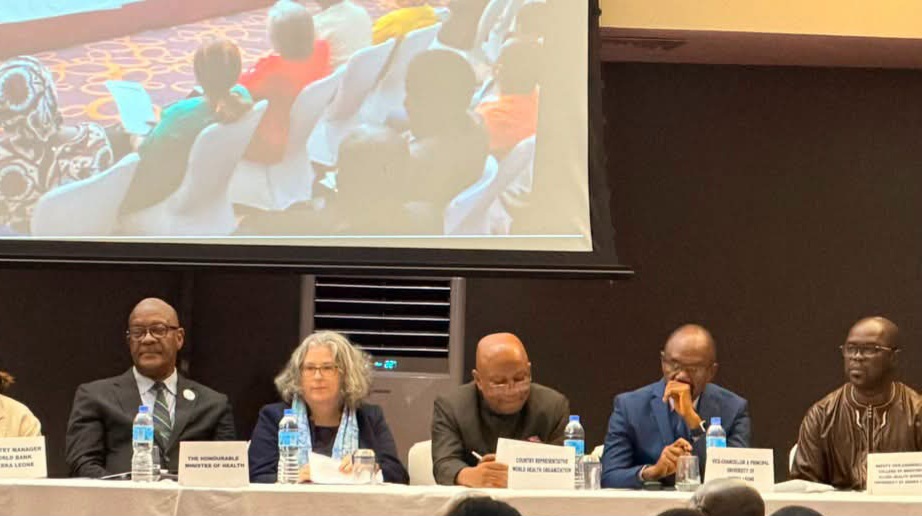
Delivering the keynote address, Minister of Health, Dr. Austin H. Demby, officially inaugurated the first cohort of the programme, describing it as a strategic investment in Sierra Leone’s future health security.
Dr. Demby stressed that resilient health systems require skilled professionals who can detect health threats early, generate quality evidence, and coordinate timely responses. He said the establishment of the Advanced FETP marks a significant milestone in building a sustainable public health workforce capable of protecting Sierra Leone from current and emerging health challenges.