

Supreme Court Admits ILRAJ as Friend of Court in Constitutional Amendment Case
 Ben Bassey
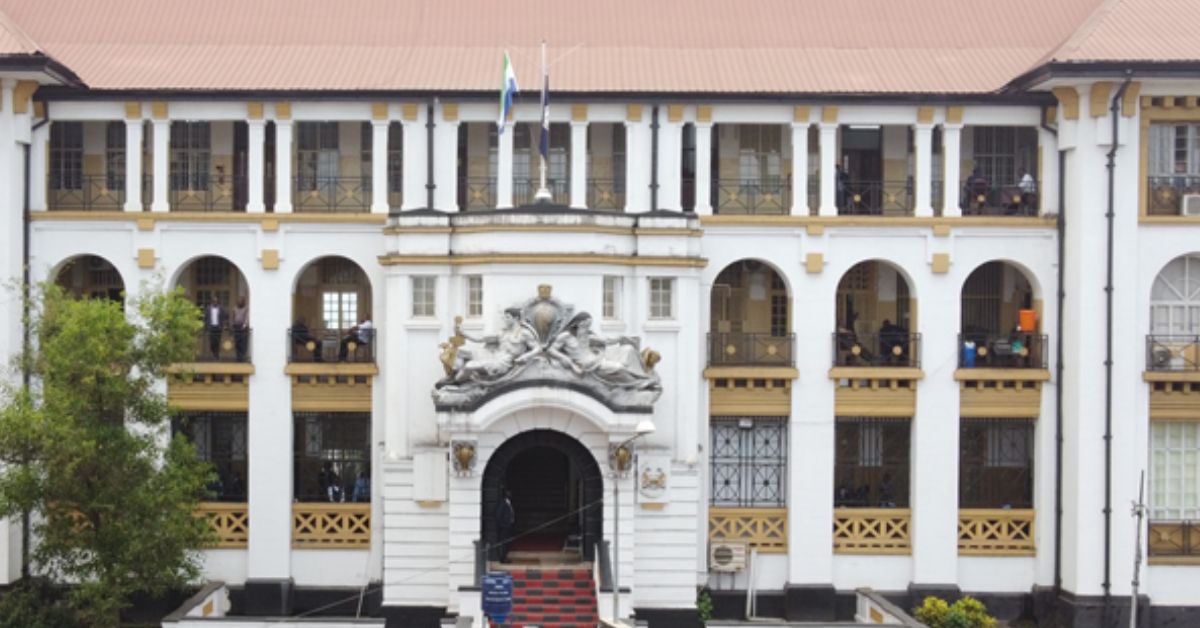
 The Supreme Court has granted the Institute for Legal Research and Advocacy for Justice (ILRAJ) leave to participate as amicus curiae in the high-stakes constitutional reference over the disputed Constitutional Amendment Bill, 2025.
Chief Justice Komba Kamanda delivered the ruling Wednesday after hearing submissions from ILRAJ’s counsel, Basita Michaels Esq., who told the five-member panel that the organisation sought to assist the court with independent legal analysis rather than advocate for either side.
The decision formally admits ILRAJ as a friend of the court, allowing the public-interest legal think tank to offer legal perspectives as proceedings continue. The ruling followed two other key decisions on the same day: the Chief Justice allowed the Attorney-General and Minister of Justice to be heard despite not filing a Statement of Case, and the Court adjourned proceedings to Thursday, October 8, at 10:00 a.m.

ILRAJ is an independent, non-partisan public policy research and educational think tank established to defend the rule of law, monitor human rights, and promote accountability and access to justice in Sierra Leone. Its mandate includes law reform, litigation, and advocacy aimed at protecting constitutional supremacy.
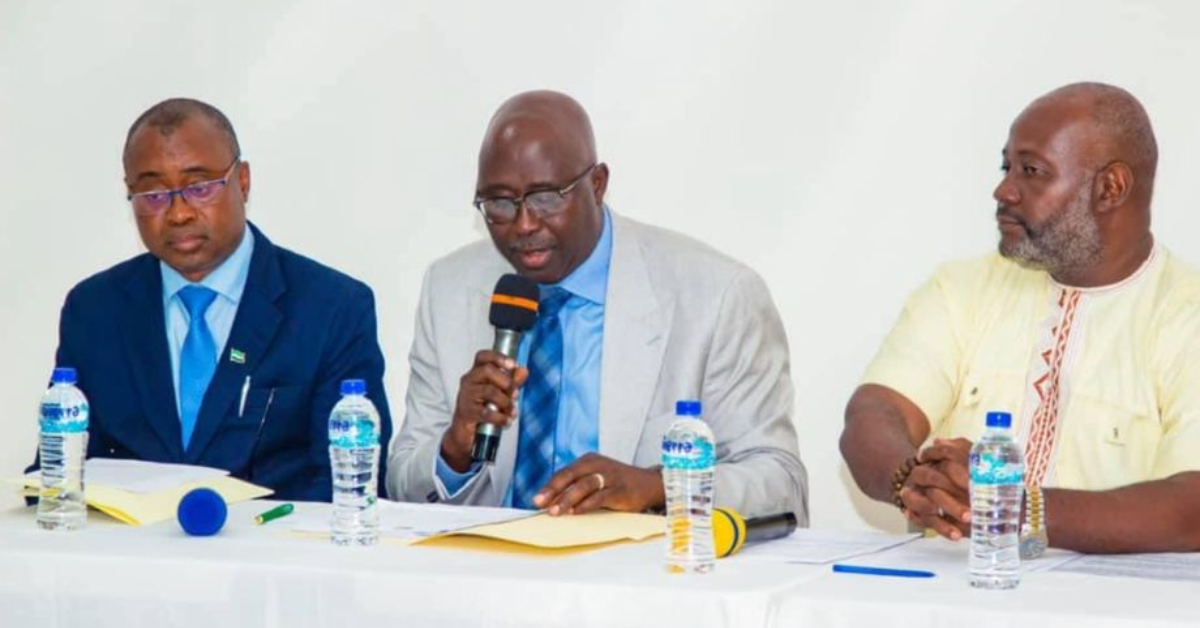
The organisation has been an active voice in the current constitutional debate. In August 2026, it publicly questioned the sequence of events surrounding the Bill’s passage, arguing that if the threshold question was serious enough to warrant Supreme Court intervention, clarification should have been sought before Parliament declared the Bill passed.
ILRAJ also called for a full explanation of the alleged security threat that led to civil society observers being removed from Parliament during the proceedings.
The case before the Supreme Court concerns the Constitution of Sierra Leone (Amendment) Bill, 2025, which Parliament claims to have passed on August 10, 2026, after opposition APC MPs walked out. The central dispute revolves around whether Parliament met the two-thirds majority requirement under Section 108(2)(b) of the 1991 Constitution, which mandates at least 100 of the 149 MPs to approve constitutional amendments.
The Bill proposes far-reaching reforms, including reducing the presidential election threshold from 55% to 50% plus one vote, returning to a Proportional Representation system for parliamentary elections, and reserving 30% of political party leadership positions for women.
Wednesday’s proceedings marked the first-ever live broadcast of a constitutional case in Sierra Leone, with the Independent Radio Network relaying proceedings to over 40 radio stations nationwide following Chief Justice Kamanda’s approval.