

Lesotho Eyes Sierra Leone’s Government-Funded UNDP Model to Stretch Development Resources
 Osman Tolo Sesay
 Lesotho is exploring Sierra Leone’s government development financing model as the country seeks to maximise limited domestic resources amid declining support from development partners.
A four-day peer-learning mission by UNDP Lesotho, involving officials from the Government of Lesotho and Parliament, concluded Wednesday, Aug. 5, 2026, with a debrief and reflection session at the UNDP Sierra Leone Country Office in Wilberforce, Freetown.
The exchange focused on how Sierra Leone uses government funds alongside UNDP’s technical expertise, procurement systems and financial mechanisms to implement national development programs.

Under the model, governments provide the funding while UNDP supports implementation through technical assistance, procurement services, financial systems and other operational mechanisms.
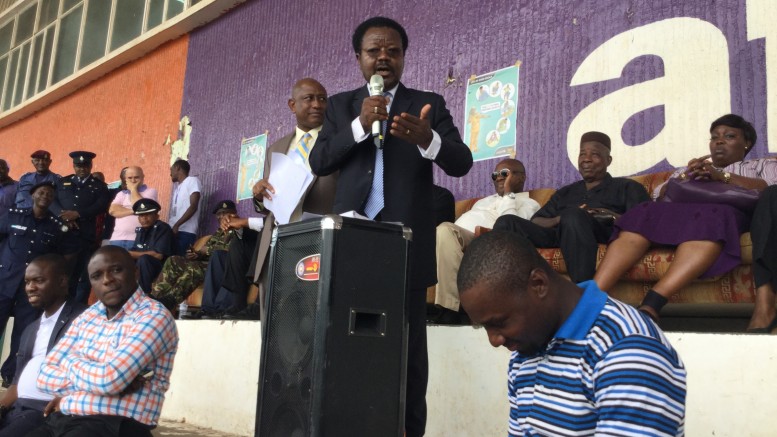
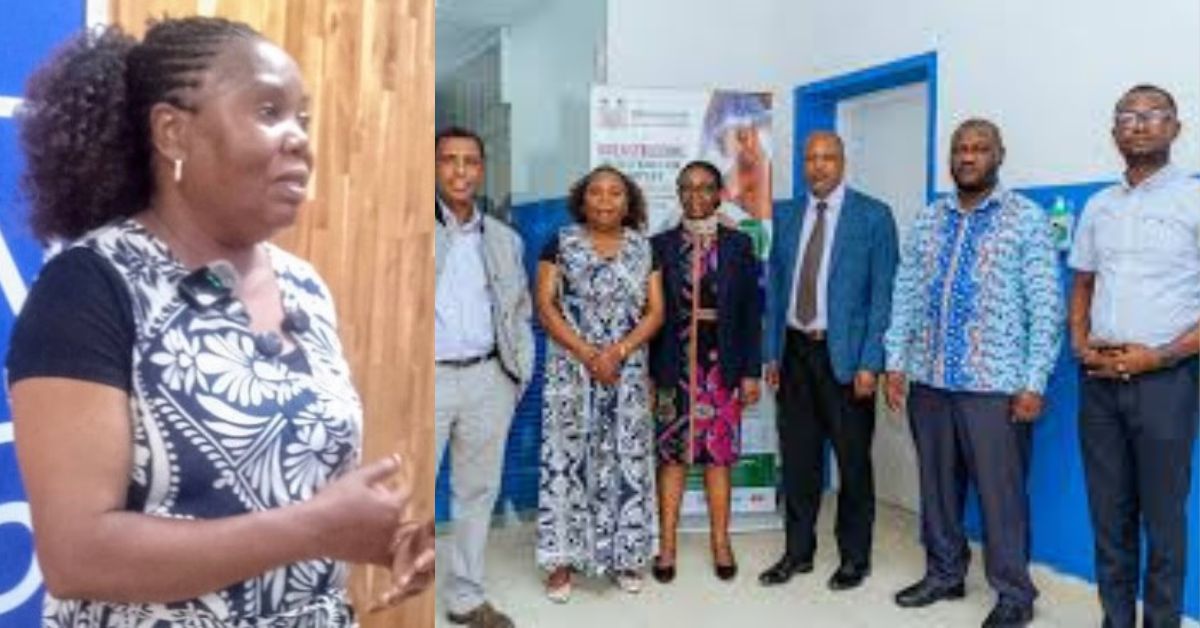
Honourable Machaba Lemphane-Letsie, chairperson of the Public Accounts Committee of the Lesotho Parliament, said the approach could help Lesotho make better use of domestic resources as external development financing declines.
“We need to localise and domesticate development financing and use our own resources to fund development in Lesotho,” Honourable Machaba Lemphane-Letsie said.
Lemphane-Letsie said the delegation was particularly interested in Sierra Leone’s experience of using government resources in partnership with UNDP and planned to take lessons from the exchange back to Lesotho.
She said Sierra Leone’s approach demonstrated that governments can retain ownership of development priorities while working with UNDP to implement programmes aligned with national development plans.
“The Government plans with UNDP in accordance with the national development plans, and they implement the programmes together,” Honourable Machaba Lemphane-Letsie explained.
She added that adopting similar arrangements could help Lesotho lower procurement costs while promoting responsible management of scarce public resources.
UNDP Sierra Leone Resident Representative Fredrick Ampiah said the exchange highlighted the value of South-South cooperation and the sharing of practical experiences between UNDP country offices.
Ampiah described UNDP as a development service organisation that works with governments by providing global expertise, advisory support, financial systems and procurement mechanisms to advance nationally defined priorities.
He said Sierra Leone was among the first UNDP country offices in the region to implement the Government Development Financing model, which has since generated interest from other countries.
“The feedback we have received so far indicates that they find the model extremely exciting, particularly because of its potential to reduce the cost of running the Government in Lesotho,” Fredrick Ampiah said.
Ampiah pointed to UNDP’s work with Sierra Leone’s National Revenue Authority as an example of how the model can operate. He said government funds can be channelled through UNDP, allowing access to its global procurement agreements for items such as vehicles and motorcycles.
According to Ampiah, such procurement arrangements could generate savings of between 6% and 8% compared with purchases through the open market.
UNDP Lesotho Deputy Resident Representative Dr Taye Amssalu said the delegation was particularly interested in the balance between government ownership and UNDP’s technical and operational support.
“What really caught our attention is that the Government is not merely a recipient of development support but also a funder of its own development,” Dr. Taye Amssalu said.
Amssalu said UNDP’s involvement was intended to complement rather than replace government institutions by bringing international experience, technical expertise and established systems while supporting national capacity.
He said the delegation would present its findings and recommendations to the Government of Lesotho after returning home.
“I am optimistic and confident that we will be able to replicate this innovative implementation model,” Dr Taye Amssalu said.
The exchange formed part of UNDP’s South-South learning approach, through which country offices share development experiences, practical solutions and innovative approaches that can be adapted to different national settings.