

District Development Progress Hits 73.28% As Government Identifies Major Challenges

 Alusine Ahmed Kargbo
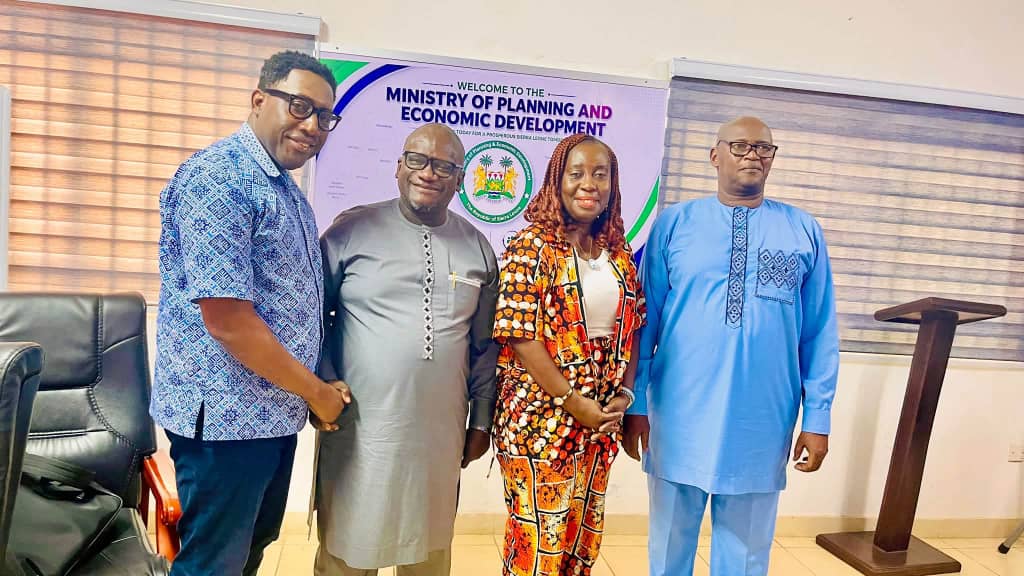
 The Ministry of Planning and Economic Development (MoPED), in collaboration with the Ministry of Local Government and Community Affairs (MLGCA), has held a National Secretariat Meeting of the District Development Coordination Committee (DDCC) to assess district-level development coordination and review progress on agreed action points across Sierra Leone.
Held on Friday, 25 September 2026, at the MoPED Conference Room, the meeting was chaired by Acting Development Secretary Usman Cherry Conteh, with MLGCA Permanent Secretary Prince Alex Soriba serving as Co-Chair.
The meeting emphasized stronger collaboration between central government institutions and local councils to ensure development interventions reflect community priorities and translate into tangible results.

A progress report from the Rural Development Directorate (RDD) revealed that 225 of 307 action points recorded across 15 district secretariats have either been implemented or are ongoing, representing a 73.28 percent implementation rate. Bonthe District recorded the highest performance at 100 percent, while the lowest stood at 44 percent.


The report highlighted key district-level concerns requiring national attention, including health financing and drug-related challenges in Kambia, a chiefdom boundary dispute and an abandoned school project in Koinadugu, as well as wetland encroachment and food shortages at the Bo District Remand Home.
The meeting also identified operational challenges affecting the DDCC system, including delays in fund disbursement, weak participation by some sectors, gaps in tracking action points, and coordination and reporting delays within Freetown City Council. NGO coordination challenges were also highlighted.
Progress was reported on institutional reforms, including the signing of Memoranda of Understanding (MoUs) between MoPED, MLGCA and key sector ministries to clarify responsibilities and strengthen coordination, communication and accountability.
Meanwhile, a MoPED Monitoring and Evaluation Directorate assessment of the Youth in Agriculture Project found the programme relevant to national priorities, particularly youth employment and food security. However, it identified weaknesses in coordination, financial transparency, beneficiary selection, input delivery and sustainability planning, with performance varying across districts depending on the level of local ownership.
The evaluation recommended stronger local council leadership, greater transparency, secure land arrangements and sustainable funding mechanisms from the beginning of projects.
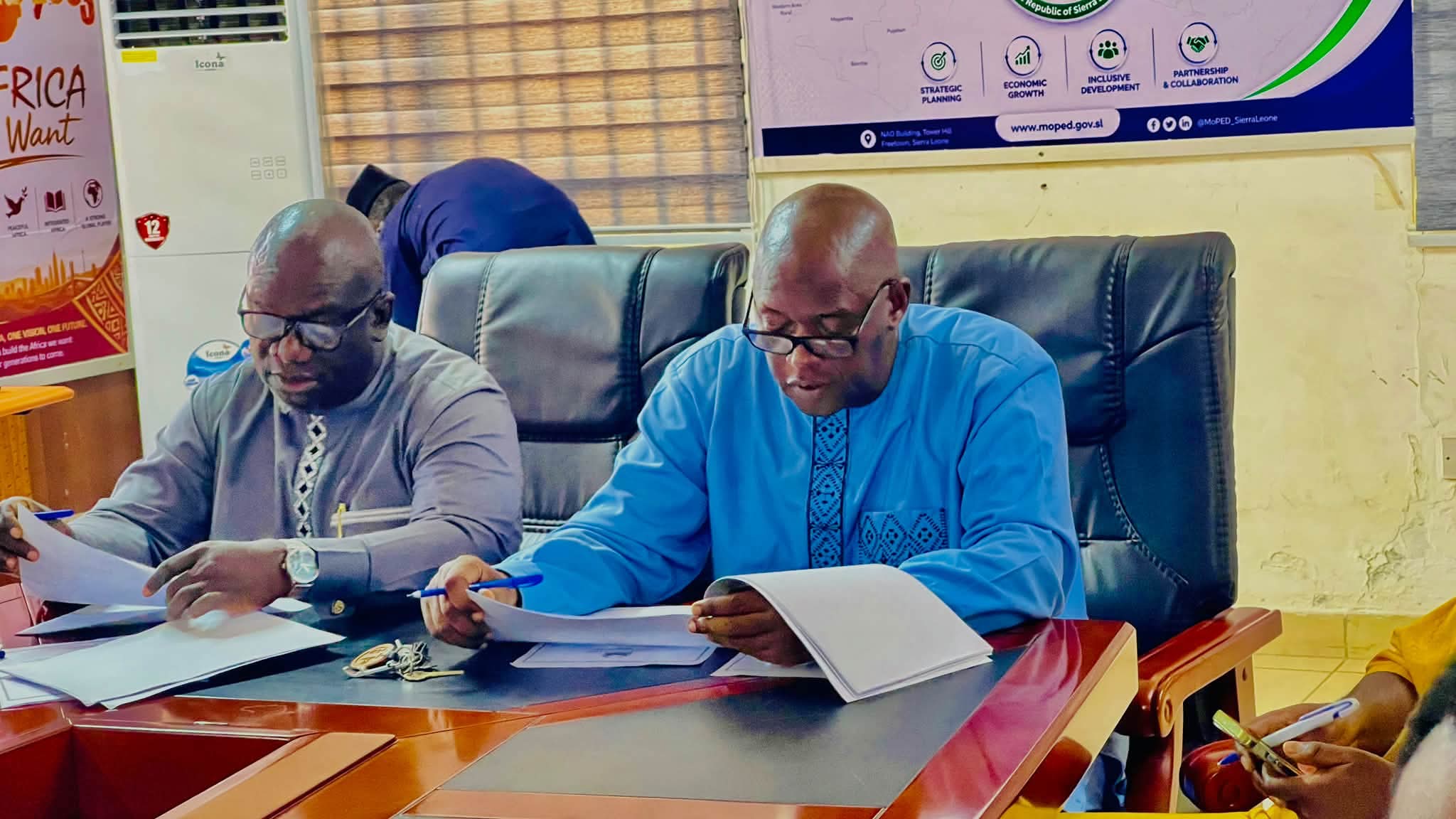
Participants also reviewed community experiences of development interventions in sectors including health, education and social welfare, stressing the need to align national programmes with local realities.
The meeting further discussed preparations for the DDCC National Steering Committee Meeting scheduled for 15 October 2026, where performance, evaluation findings and coordination reforms will be reviewed. A proposed reporting template was also considered to standardise district updates and improve action-point tracking, with stakeholders expected to submit feedback by 2 October 2026.
The meeting concluded with a renewed commitment by MoPED, MLGCA and partner institutions to strengthen inter-agency coordination, improve accountability and enhance district-level development delivery across Sierra Leone.