

MoPED Seeks Stronger Coordination to Improve Sierra Leone’s National Data Systems
 Alusine Ahmed Kargbo
The Ministry of Planning and Economic Development (MoPED) is seeking stronger coordination among government institutions to improve Sierra Leone’s national data systems, following concerns over fragmented platforms, limited information sharing and inadequate investment in data management.
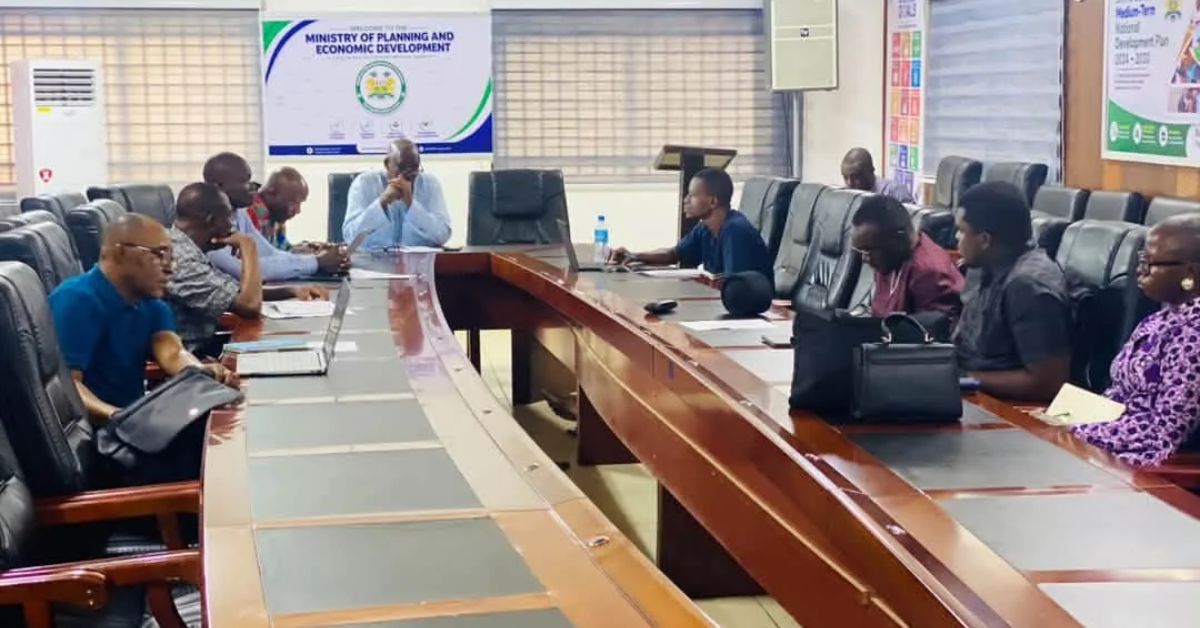
The issue was discussed on November 13, 2026, during the inaugural Steering Committee meeting of the Power of Data (PoD) Initiative at the MoPED Conference Hall in Freetown. The meeting brought together government officials, development partners and technical experts to examine existing challenges and agree on ways to improve the country’s data management systems.
A national review presented at the meeting identified more than 70 data initiatives, approximately 160 stakeholders, over 20 policy and legal frameworks and 10 development partners operating within Sierra Leone’s data landscape.



Despite these existing investments, only about 30% of national data systems effectively exchange information, highlighting the need for better connections between government institutions and their respective platforms.
The review also found that less than 1% of the national budget was allocated to data and statistics, while the country’s data protection legislation remained at the draft stage.
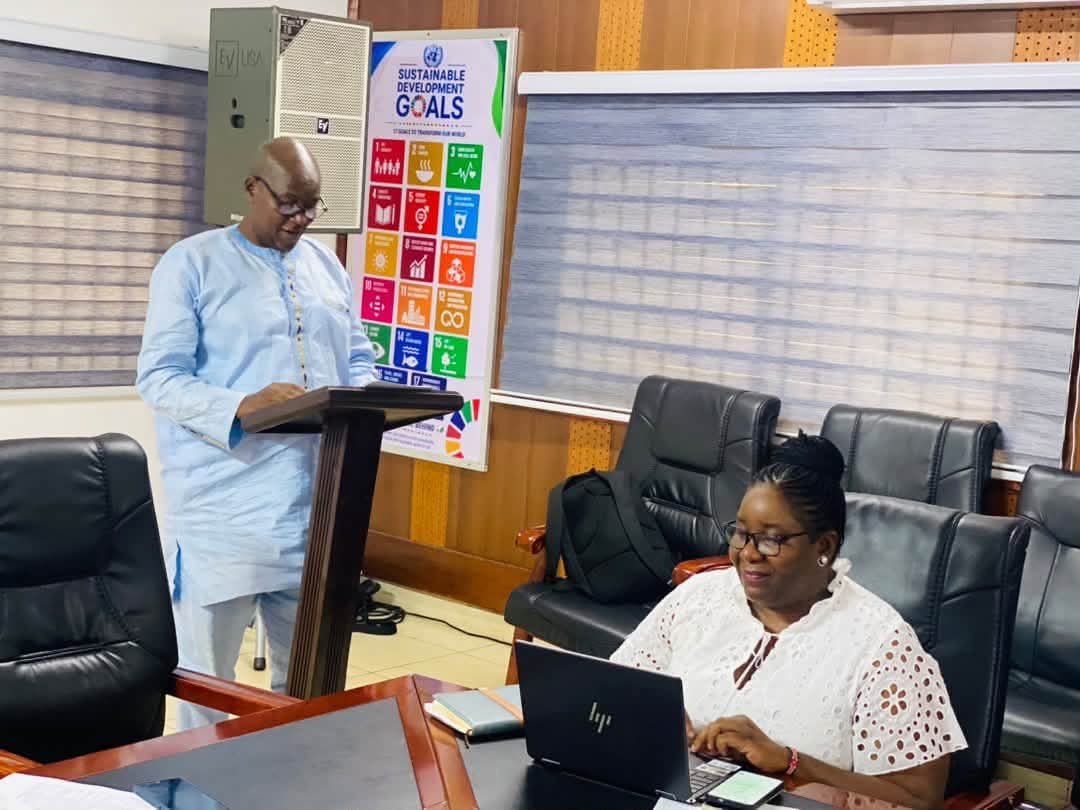
Deputy Development Secretary I, Usman Cherry Conteh, called for greater institutional responsibility and cooperation to address these challenges. He stressed that government agencies must work together to prevent duplication and ensure that the initiative produces practical results.
Presenting the opening statement on behalf of the Minister of Planning and Economic Development, Conteh said reliable data was essential for national planning, effective policymaking and sustainable development.
The Minister’s statement highlighted the connection between the Power of Data Initiative and the Medium-Term National Development Plan (2024–2030), particularly the Government’s Big Five Game Changers. It also called for existing data platforms to be connected rather than replaced with new systems.
The Minister recommended an implementation plan with clear responsibilities, timelines, budget allocations and monitoring arrangements. A proposed virtual technical laboratory was also highlighted as a means of improving collaboration among institutions.
UNFPA Deputy Representative, Sibeso Mululuma, reaffirmed the United Nations system’s support for the Government’s efforts to strengthen national data governance.
She said the initiative should build on existing institutions and investments instead of creating another independent project. She also stressed the need to protect personal information while improving access to reliable data from the 2026 Population and Housing Census and other national surveys.
Mululuma further encouraged the Government to increase domestic financing to ensure that the initiative remains sustainable and does not depend heavily on development partners.
During the technical presentation, Power of Data Consultant Bailah Molleh outlined five priority areas under the proposed Country Implementation Framework for 2026–2030. These include leadership and coordination, infrastructure and interoperability, data collection and quality, data access and innovation, and capacity development.
The proposed framework also includes a National Data Steering Committee, a technical committee, a joint secretariat and designated data focal points across Ministries, Departments and Agencies (MDAs).
An indicative budget of US$18.2 million was presented, although further costing and validation are required. The proposed targets include increasing interoperability among priority data systems from 30% to 60% and training 750 public servants in data-related skills.
Participants raised concerns about overlapping responsibilities, inadequate technical expertise and the burden of repeated requests for information from government institutions.
Philip F. Kargbo, Director of Research, Monitoring and Evaluation at the Electoral Commission for Sierra Leone (ECSL), called for improvements in statistical capacity and recommended making better use of existing web-based platforms instead of introducing additional data collection tools.
Joseph Denis Koroma, Deputy Director at the Ministry of Gender and Children’s Affairs, also highlighted the need to harmonise data definitions and establish a common data dictionary. He said clearer data-sharing arrangements would help reduce repeated requests and improve consistency across institutions.
Daniel B. Braima, Deputy Director of Monitoring and Evaluation at MoPED, warned against creating structures that duplicate existing arrangements within the Ministry. He identified the Monitoring and Evaluation Directorate, Salone National Development Tracker, Development Assistance Coordination Office (DACO) and sector working groups as existing mechanisms that should be considered in the proposed framework.
Duramany Kamara, representing the Ministry of Agriculture and Food Security, sought clarification on how the proposed secretariat would operate and relate to the Steering Committee. He also pointed to existing agricultural information platforms, including the Agricultural Marketing Information System, and called for their integration into the national arrangement.
A representative of the Bank of Sierra Leone emphasised the importance of ensuring that information-sharing arrangements comply with existing laws and institutional responsibilities. The representative also noted that accessible and reliable information helps investors assess opportunities in the country.
Responding to the concerns, Mululuma maintained that the initiative should address weaknesses in existing systems, coordinate ongoing investments and strengthen national capacity rather than introduce unnecessary institutional structures.
Mr Gabriel Abdul Dumbuya, MoPED’s Focal Person for Population and Development, said identifying gaps in the country’s data systems was among the main reasons for convening the meeting.
He explained that the engagement allowed stakeholders to examine challenges affecting data production and management and identify practical ways to improve coordination and the use of information across institutions.
The meeting, coordinated by MoPED’s Population Unit, forms part of broader efforts to strengthen the use of population data in national development planning and policymaking.
In his closing remarks, Conteh thanked participants and development partners for their contributions. He called for greater attention to ensuring that reliable data is translated into informed decisions and meaningful development results for Sierra Leone.