NAYCOM Unveils One-Year Transformation Under Commissioner Joseph Maada Lahai
 Jayah Koker
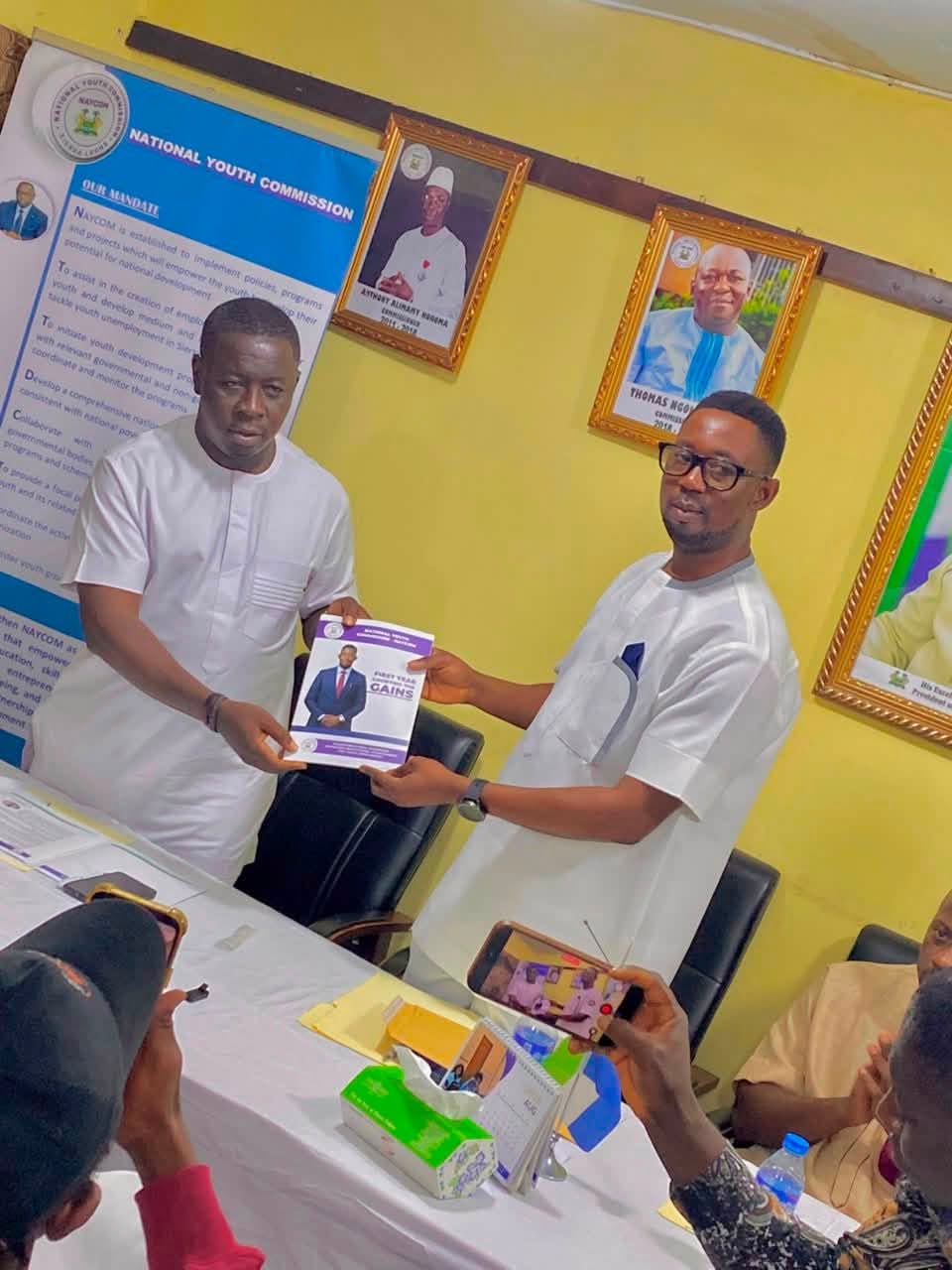
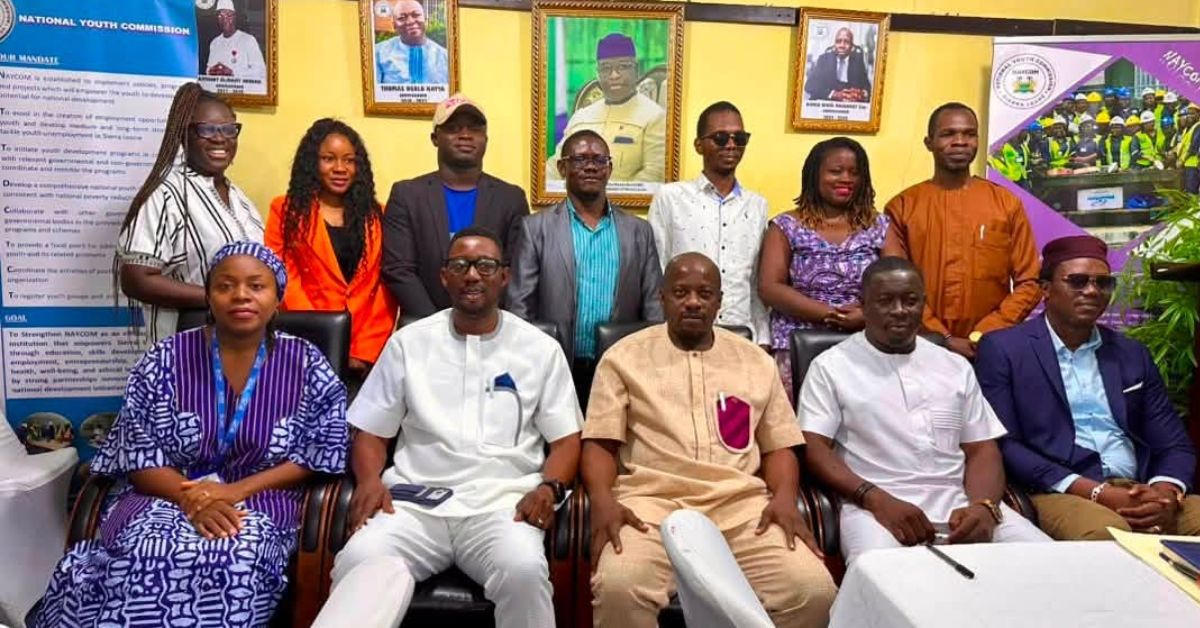
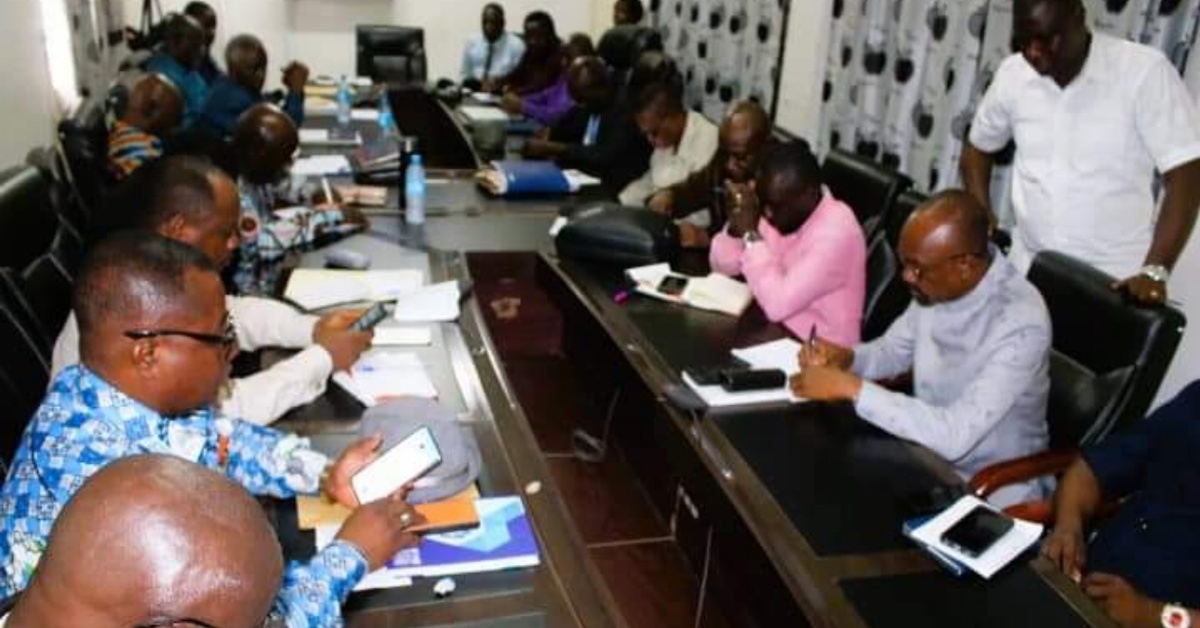
 The National Youth Commission (NAYCOM) has marked one year of reforms under Commissioner Joseph Maada Lahai, highlighting institutional changes, skills development initiatives, and expanded opportunities for young people across Sierra Leone.
Commissioner Lahai, who was appointed by President Julius Maada Bio in August 2025, said the Commission’s priority has been restoring credibility, strengthening internal systems, and improving service delivery.
He highlighted improved staff punctuality, now reported at 98 percent, and the establishment of three new directorates as key indicators of enhanced institutional discipline.

Beyond internal reforms, NAYCOM said it has focused on youth empowerment through vocational training, job creation, and entrepreneurship support. The Commission reported that more than 4,000 young people have received training in technical and vocational fields, with scholarships extended to rural communities to promote inclusivity.
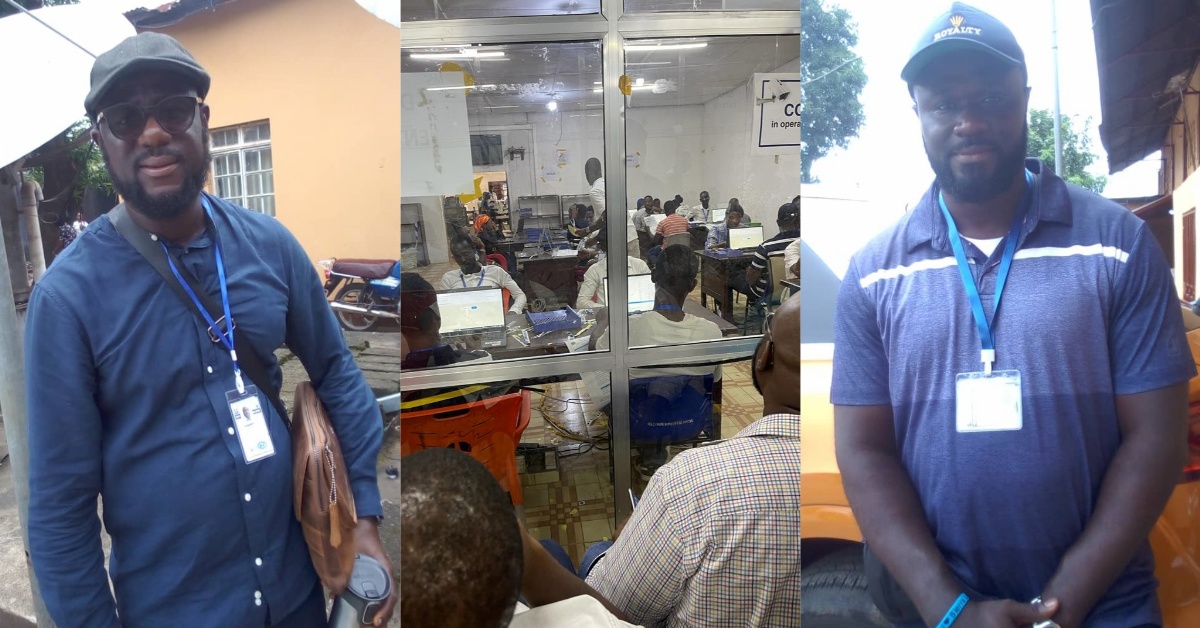
It also highlighted the rehabilitation of the Obasanjo Skills Training College and the introduction of a maritime skills programme as part of efforts to broaden career opportunities for young people.
NAYCOM’s Monitoring and Evaluation Director, Yusuf S. Kamara, said 1,300 youths have been certified in vocational and digital skills, including 749 participants trained in digital-focused programmes. He added that the Commission has supported more than 4,100 youth-led small and medium-sized enterprises (SMEs) in Bo, Makeni, and Freetown.
Kamara also outlined the National Youth Strategic Plan, which is built around five key pillars: Organizational Development, Employment and Employability, Civic Engagement, Partnerships and Revenue Mobilization, and Health and Technology.
While acknowledging existing resource challenges, he said the Commission has made significant progress in advancing youth empowerment.
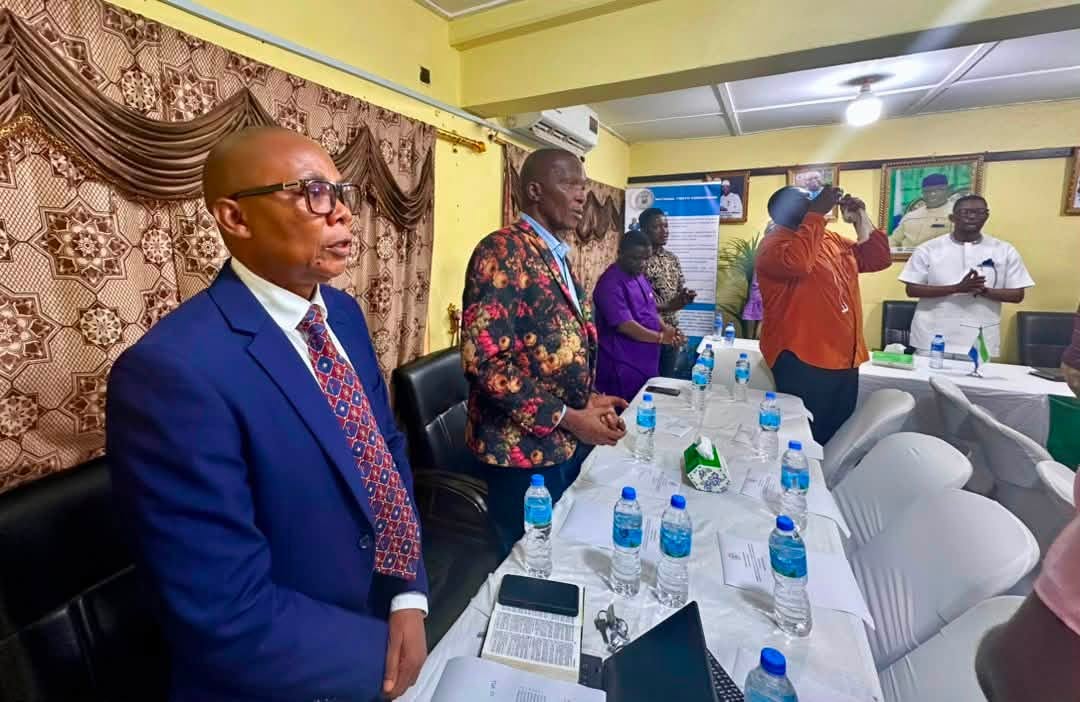
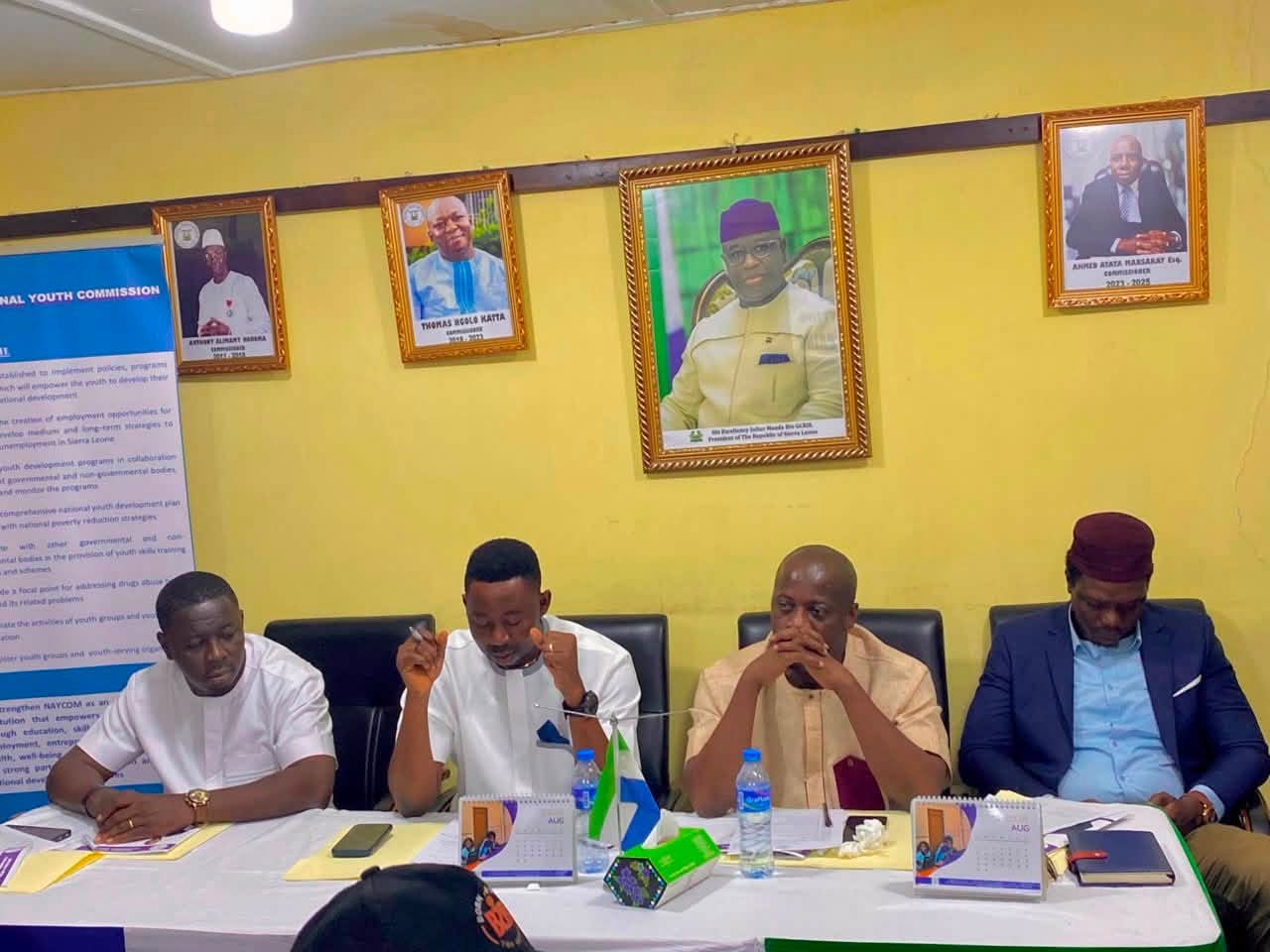
Board Chairman Saidu Alie Lakoh commended Commissioner Lahai’s leadership, describing his approach as “visionary and transformative,” while reaffirming the Board’s support for NAYCOM’s programmes.
Commissioner Lahai called for increased support from development partners and urged government and law enforcement agencies to recognise commercial bike and tricycle riders as productive members of society. He also encouraged young people to avoid drug abuse and embrace education and skills training.
As it enters its second year, NAYCOM said it remains committed to deepening reforms and expanding opportunities as part of efforts to make youth empowerment a key driver of Sierra Leone’s development.