
NPAA Director Sheikh Ahmed Tunis Warns Aberdeen Bridge Could Pose National Security Concern
 Osman Tolo Sesay
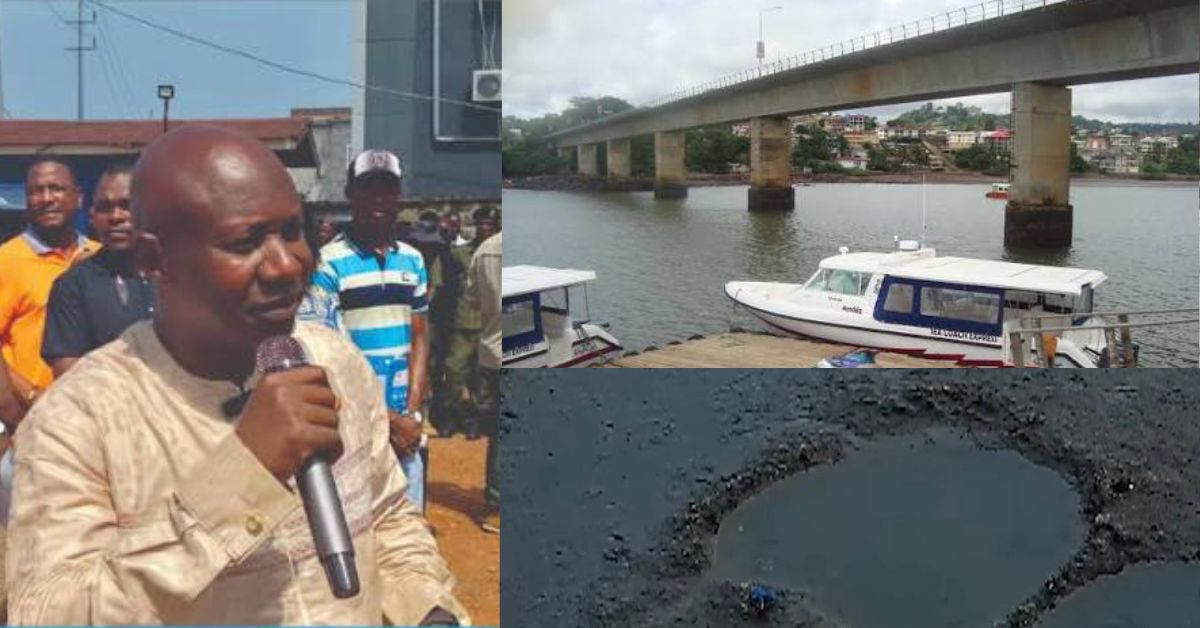
 The Executive Director of the National Protected Area Authority (NPAA), Sheikh Ahmed Tunis, has warned that the Aberdeen Bridge is no longer safe and urged authorities and citizens to treat the situation as a national security concern.
Tunis made the statement on Wednesday, August 5, 2026, while speaking on Truth Media, where he raised concerns over the continued removal of sand and mangroves along Sierra Leone’s coastline.
He said the destruction of mangroves and the extraction of sand are weakening natural barriers that protect coastal communities from rising sea levels and flooding. According to Tunis, sand and mangroves are the main defences preventing the sea from advancing and causing widespread damage.

“The only thing that prevents the sea from rising is the sand and mangroves,” Tunis stated, adding that people in the Western Area are increasingly removing both, putting communities and infrastructure at risk.



He specifically warned that the public should be concerned about the condition of Aberdeen Bridge, saying, “the Aberdeen bridge is no longer safe as I speak presently,” and emphasised that the matter should be viewed as a national security issue.
Tunis also pointed to the impact of environmental destruction in some coastal settlements within Freetown, including the Laka community, where he said houses have already been destroyed due to the consequences of these activities.
He further mentioned areas such as Wilkinson Road, while placing particular emphasis on Cockrill, where he said similar activities have been taking place. However, he noted that the intervention of the Sierra Leone Navy has helped reduce such activities in the area.
The NPAA Executive Director called for collective action to protect Sierra Leone’s coastal environment, warning that continued destruction of mangroves and sand deposits could increase the risks posed by sea-level rise, coastal erosion, and damage to critical infrastructure.