

NPHA, NDMA Join Forces to Boost Mental Health Support in Disaster Response
 Kanja Sesay
The National Public Health Agency (NPHA), through its Mental Health Secretariat (MHS), has partnered with the National Disaster Management Agency (NDMA) to strengthen the integration of mental health and psychosocial support into disaster preparedness and emergency response efforts across Sierra Leone.
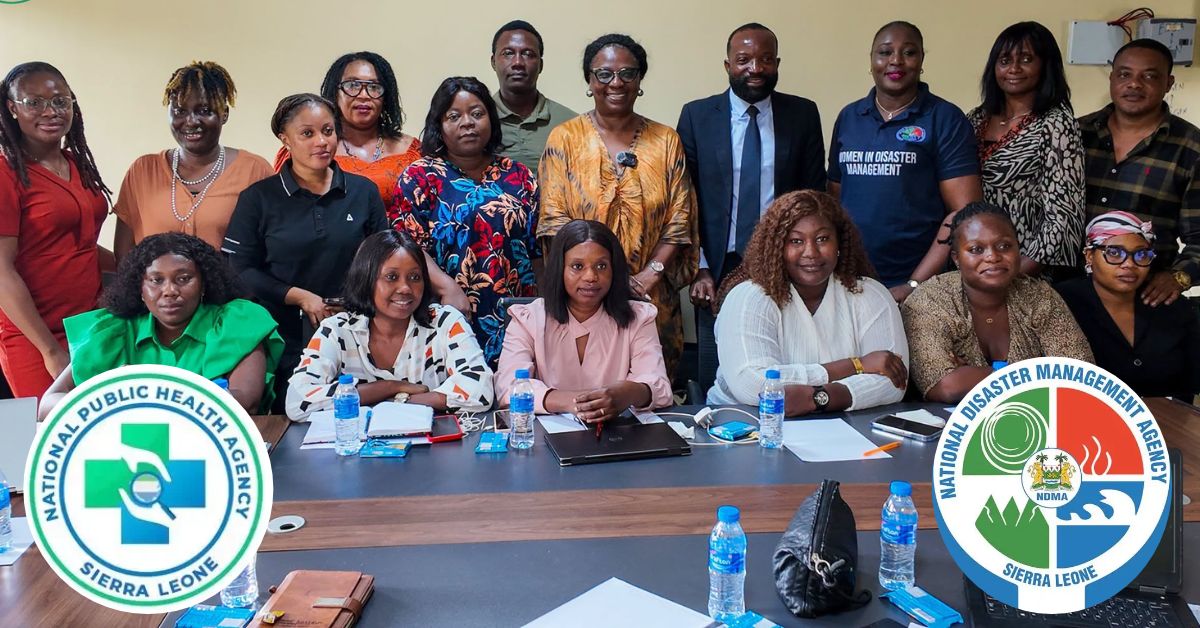
The initiative, conducted in Freetown on Wednesday, October 21, 2026, brought together participants for specialised training on Mental Health and Psychosocial Support (MHPSS) and its role in Disaster Risk Reduction (DRR).
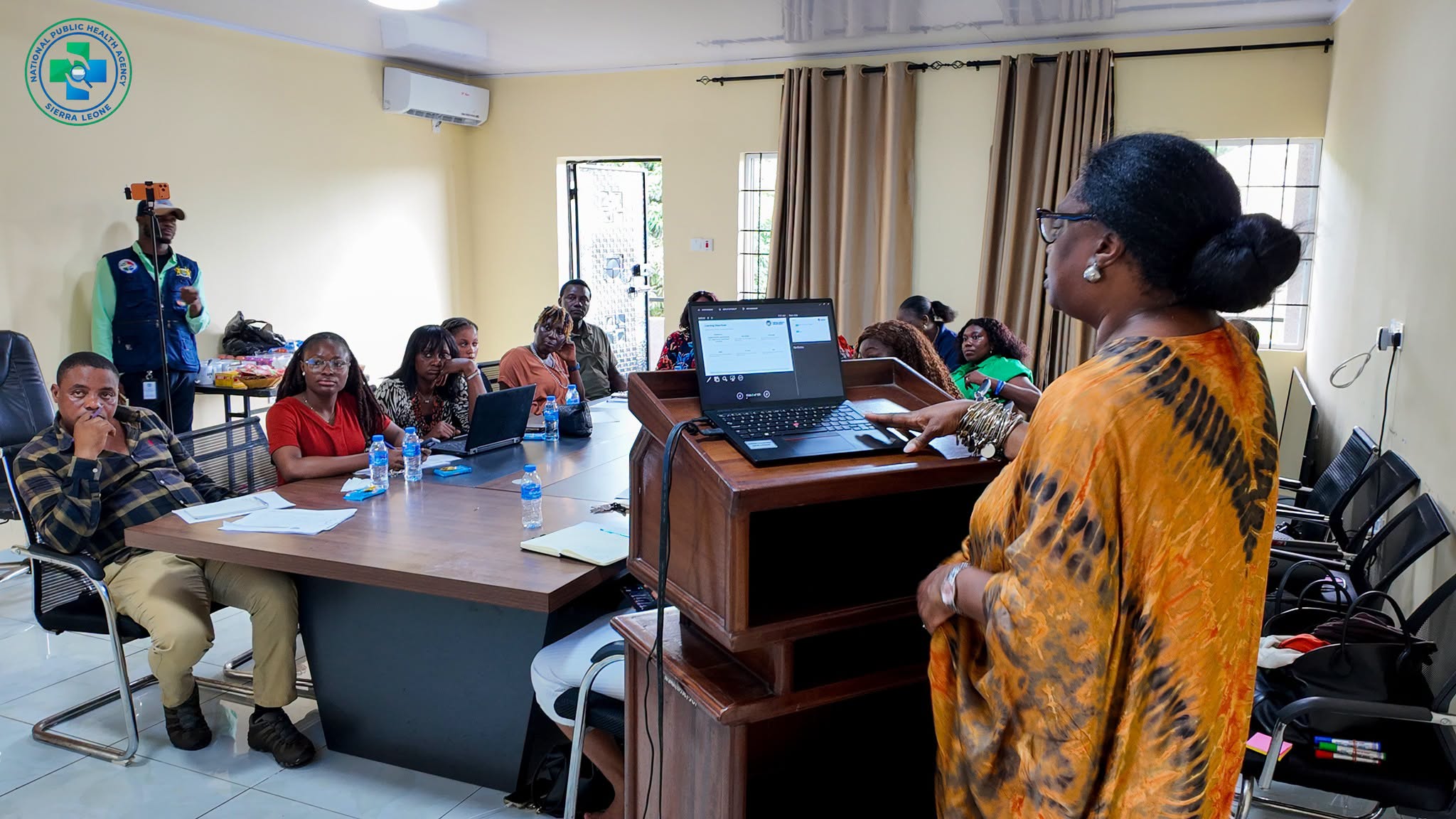
Organised in collaboration with NDMA’s Gender and Social Inclusion Unit, the training aimed to equip professionals with practical skills to recognise psychological distress, provide appropriate support and respond effectively to the emotional and social consequences of emergencies.

The programme forms part of broader efforts to ensure that mental health receives greater attention alongside physical safety during disasters, disease outbreaks and other public health emergencies.



The initiative comes amid continued recognition of the psychological and emotional effects of past emergencies in Sierra Leone, including the Ebola outbreak.
Public health emergencies and natural disasters can expose individuals and communities to significant emotional distress, trauma, grief and uncertainty.
The Mental Health Secretariat emphasised the importance of developing a workforce capable of providing culturally appropriate mental health support across different sectors, including healthcare, social services and disaster management.
The training focused on helping participants understand mental health and emotional well-being, recognise signs of psychological distress and apply trauma-informed approaches when assisting people affected by emergencies.
Participants were also introduced to Psychological First Aid, an approach designed to provide practical and compassionate support to individuals experiencing distress following a crisis.
The course combined theoretical discussions with practical exercises to strengthen participants’ ability to respond to mental health needs during emergencies.
Key areas covered included psychological first aid, stress management, emotional regulation, confidentiality, duty of care and personal coping strategies.
Participants also examined psychosocial risk mapping, referral pathways and the responsibilities of different institutions in ensuring that affected individuals receive appropriate support.
Through case studies, role-playing exercises and group discussions, trainees explored how mental health services can be incorporated into disaster preparedness, response and recovery activities.
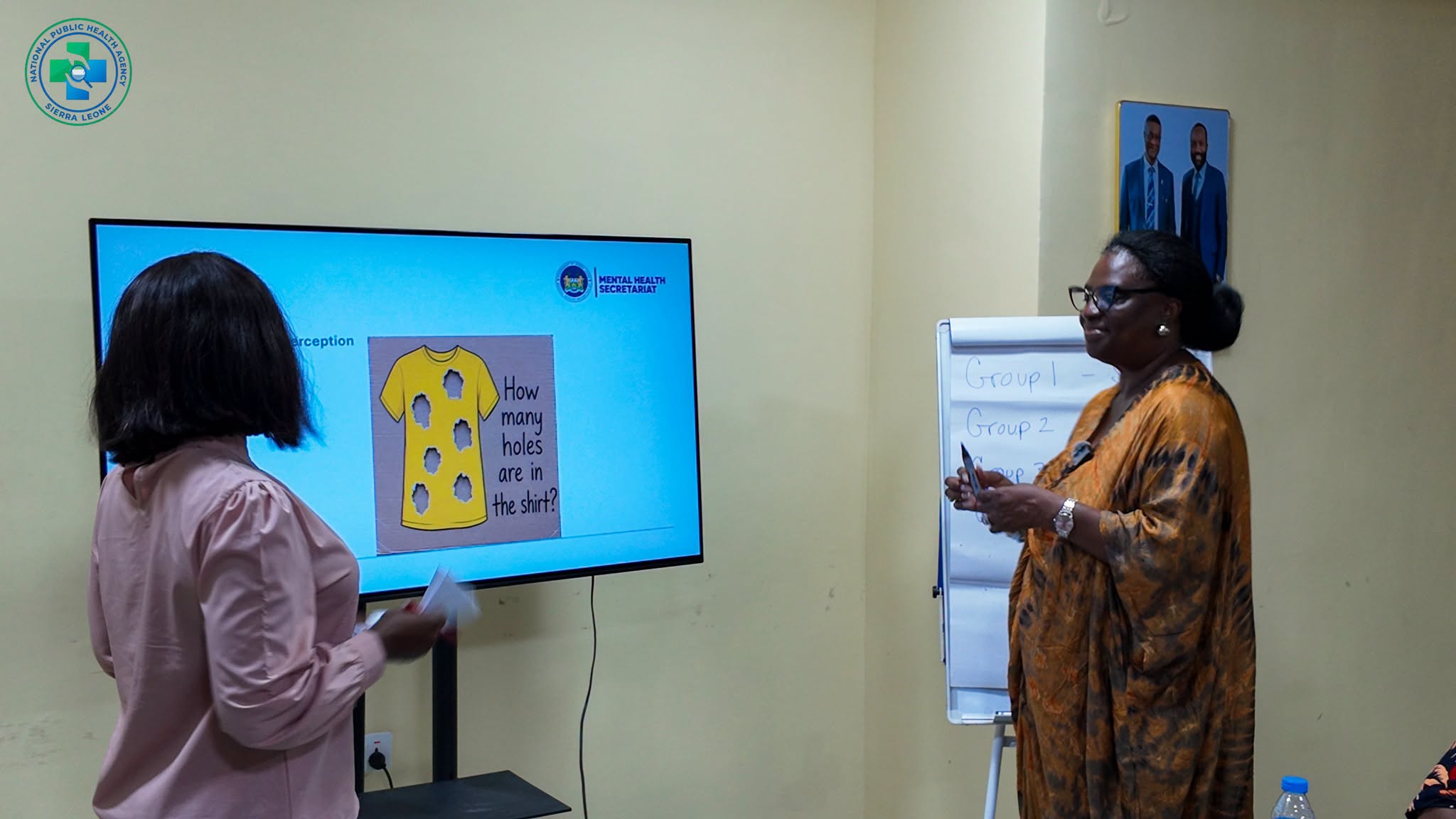
The programme also included readiness assessments and the development of a proposed 90-day action plan to support the application of lessons learned.
These activities were designed to help participants translate their knowledge into practical measures within their respective institutions and communities.
The October 21 training builds on the Mental Health Secretariat’s wider mental health system strengthening initiative.
Between 2023 and 2025, the Secretariat developed and validated a contextualised, trauma-informed curriculum for the Certified Mental Health and Psychosocial Support Professional Course (MHPSS-CP™), with funding from the Global Fund.
The course, titled Mental Health and Psychosocial Support Before, During and After Emergencies, Disasters and Crises: Foundations Track, was subsequently piloted between 2024 and 2025.
Participants in the pilot programme came from different professional and community backgrounds, including frontline Mpox responders, public health practitioners, social workers, women living with HIV, persons with disabilities and young people transitioning from drug rehabilitation centres.
The diversity of participants reflected the programme’s emphasis on strengthening mental health support beyond conventional healthcare settings.
According to the Mental Health Secretariat, the MHPSS-CP™ programme includes Foundations and Certified Practitioner tracks.
The Secretariat also reported that the course has received accreditation from four international institutions, with eligible learners able to obtain certificates of completion and four professional development or continuing education credits.
The training incorporates international frameworks and guidance intended to strengthen the integration of mental health into emergency preparedness.
These include the Sendai Framework for Disaster Risk Reduction, the 2024 World Health Assembly resolution on mental health and psychosocial support, and relevant guidance from the Inter-Agency Standing Committee (IASC).
The programme also draws on Minimum Service Package guidelines for mental health and psychosocial support in humanitarian and emergency settings.
By aligning the training with these frameworks, the Mental Health Secretariat aims to promote coordinated, appropriate and sustainable mental health interventions during crises.
The approach recognises that effective disaster management must address not only physical injuries and infrastructure damage but also the psychological and social needs of affected populations.
The partnership between the Mental Health Secretariat and NDMA highlights the importance of coordination among government institutions in responding to the consequences of disasters.
Through NDMA’s Gender and Social Inclusion Unit, the initiative also seeks to strengthen awareness of the needs of vulnerable groups, including women, children, persons with disabilities and other individuals who may face additional challenges during emergencies.
The training is expected to improve participants’ ability to identify mental health concerns, provide initial support and facilitate referrals to appropriate services when necessary.
The Mental Health Secretariat expressed appreciation to President Dr. Julius Maada Bio for the opportunity to advance mental health system development in Sierra Leone.
It also acknowledged the leadership and staff of NDMA, including the Director General, Deputy Director General, Gender Coordinator and Women in Disaster team, for their contributions to the initiative.
The training represents another step towards strengthening Sierra Leone’s capacity to address the psychological consequences of emergencies.
By equipping professionals with relevant knowledge and practical skills, the initiative seeks to improve access to mental health and psychosocial support for individuals, families and communities affected by disasters.
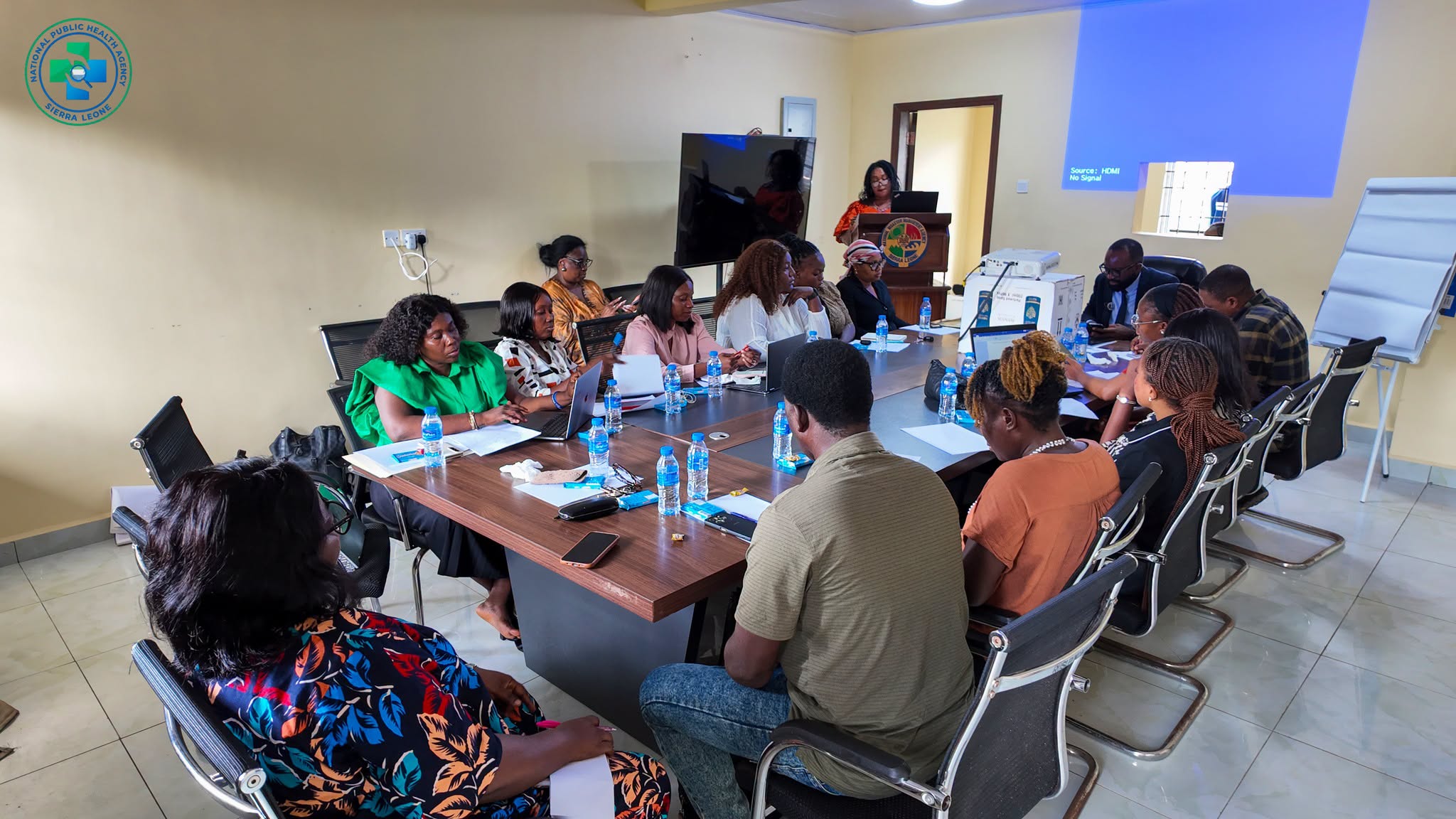
The collaboration also reinforces the importance of including mental health considerations in disaster planning, emergency response and long-term recovery strategies.
As Sierra Leone continues to improve its disaster preparedness systems, the Mental Health Secretariat and NDMA are promoting an approach that recognises psychological well-being as an essential component of community resilience and public safety.