

NPHA leads nationwide simulation to boost Sierra Leone’s Ebola preparedness
 Aminata Koroma
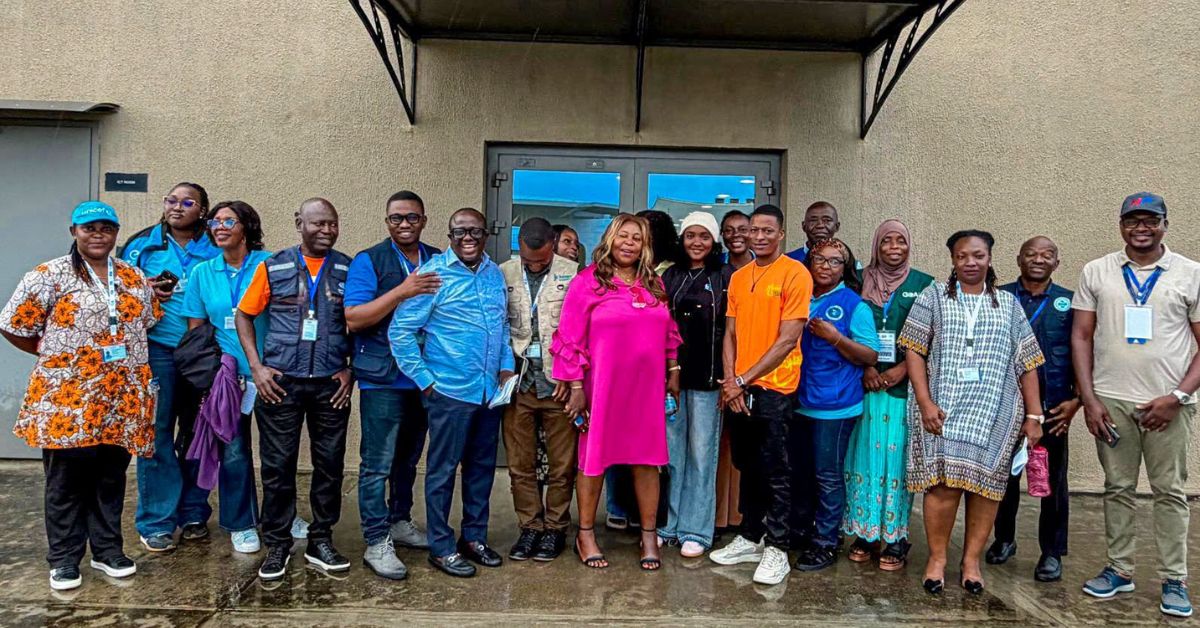
 The National Public Health Agency (NPHA) has intensified efforts to strengthen Sierra Leone’s preparedness for Ebola Virus Disease (EVD) and other emerging health threats through a nationwide Functional Simulation Exercise (FSX) conducted at key points of entry.
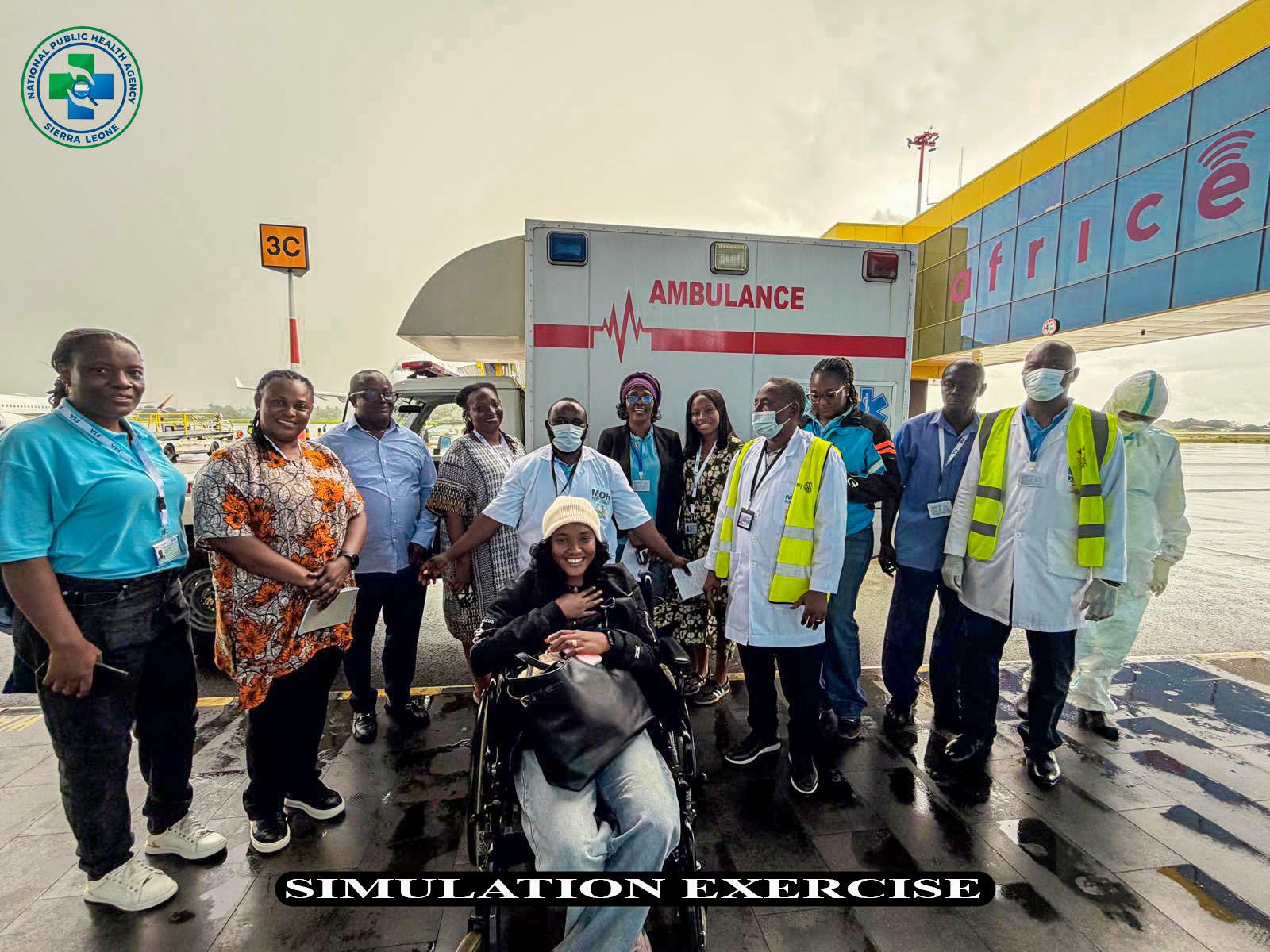
The exercise, held at Freetown International Airport, Gendema, and the Gbalamuya Border Crossing Point, was spearheaded by NPHA with technical support from the United States Centres for Disease Control and Prevention (US CDC), Jhpiego, and other partners. It tested the country’s ability to detect, verify, report, and respond to a suspected Ebola case under real-time emergency conditions.
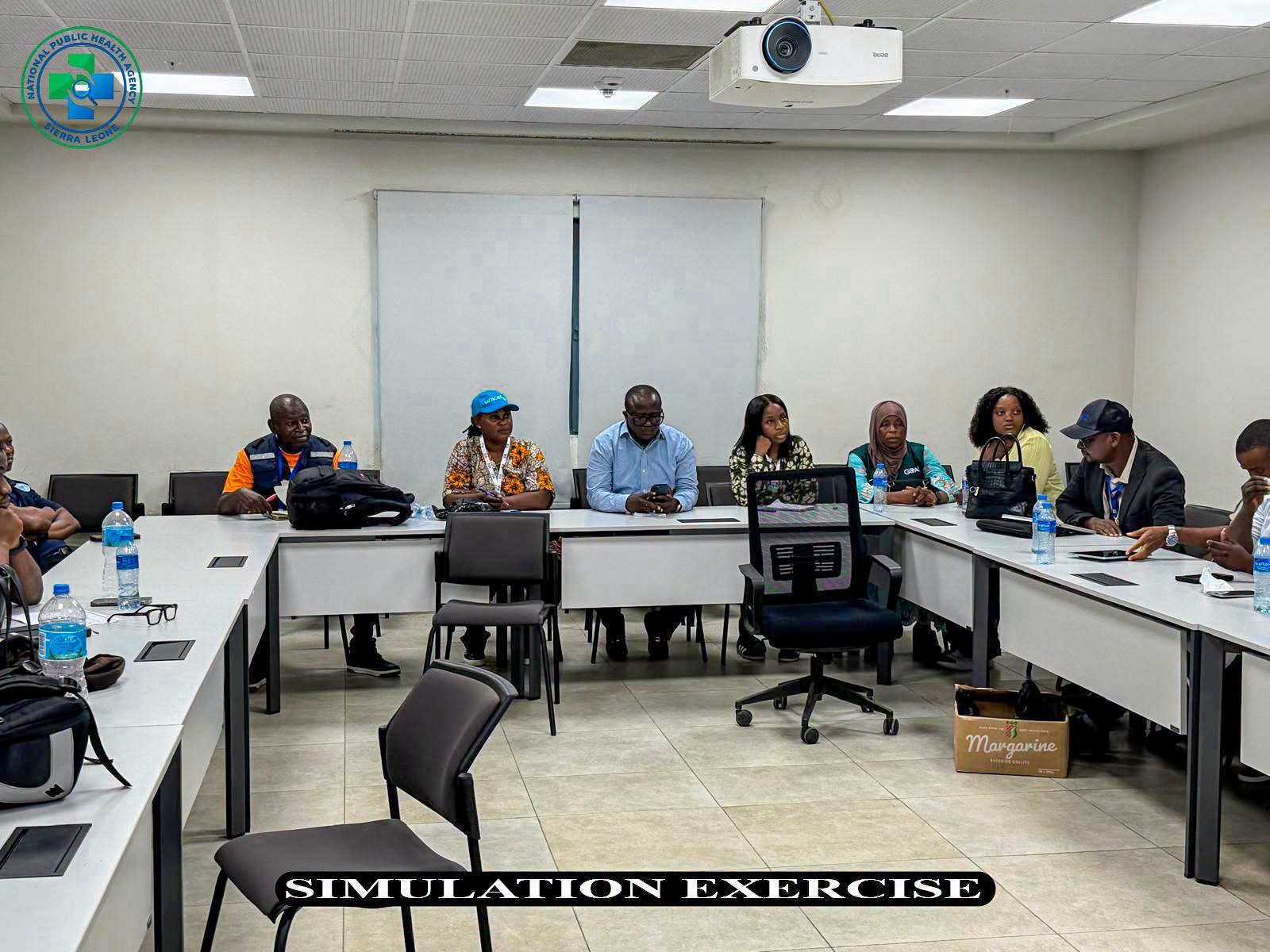

As the lead coordinating body for public health emergencies, NPHA designed the simulation to reflect a realistic outbreak scenario, allowing health authorities and frontline responders to assess their readiness to identify suspected cases, activate response systems, and coordinate interventions to prevent further transmission.


The agency noted that the exercise forms part of its broader strategy to strengthen national health security through routine simulation drills and multi-hazard preparedness planning. Guided by national Ebola preparedness protocols, the FSX focused on key response pillars including surveillance, case management, isolation procedures, infection prevention and control, risk communication, and inter-agency coordination.
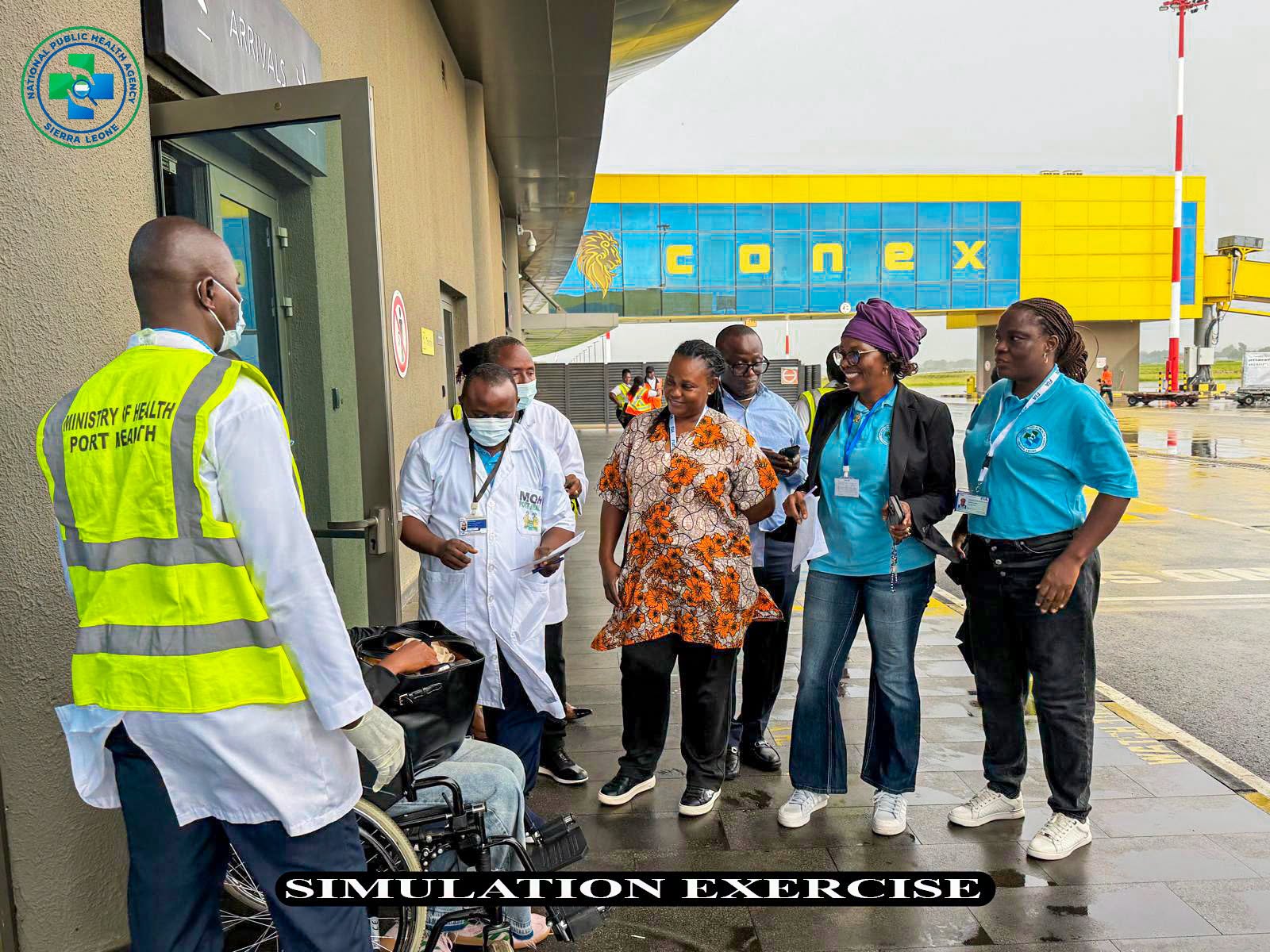
NPHA brought together stakeholders from airport and border health services, immigration, security agencies, emergency medical services, and surveillance teams to test existing systems and identify operational gaps. The exercise also reinforced the practical application of the Incident Management System (IMS), a core structure used by the agency to coordinate emergency responses.
Officials from NPHA emphasised that sustained preparedness remains critical, particularly as cross-border movement increases the risk of infectious disease transmission. They stressed that continuous testing of response systems strengthens the ability of institutions and frontline workers to respond swiftly and effectively to potential outbreaks.
The agency further acknowledged the role of its partners, including the US CDC, WHO, and Jhpiego, in supporting Sierra Leone’s public health preparedness agenda, while reaffirming its leadership in coordinating national response efforts.
Through the successful implementation of the simulation exercise, NPHA has demonstrated its central role in building a resilient and responsive public health system, reinforcing Sierra Leone’s capacity to detect threats early, contain outbreaks, and protect public health.