
Residents Decry Deteriorating Road Conditions in Ngandon-Gbane, Kono District
 Kanja Sesay
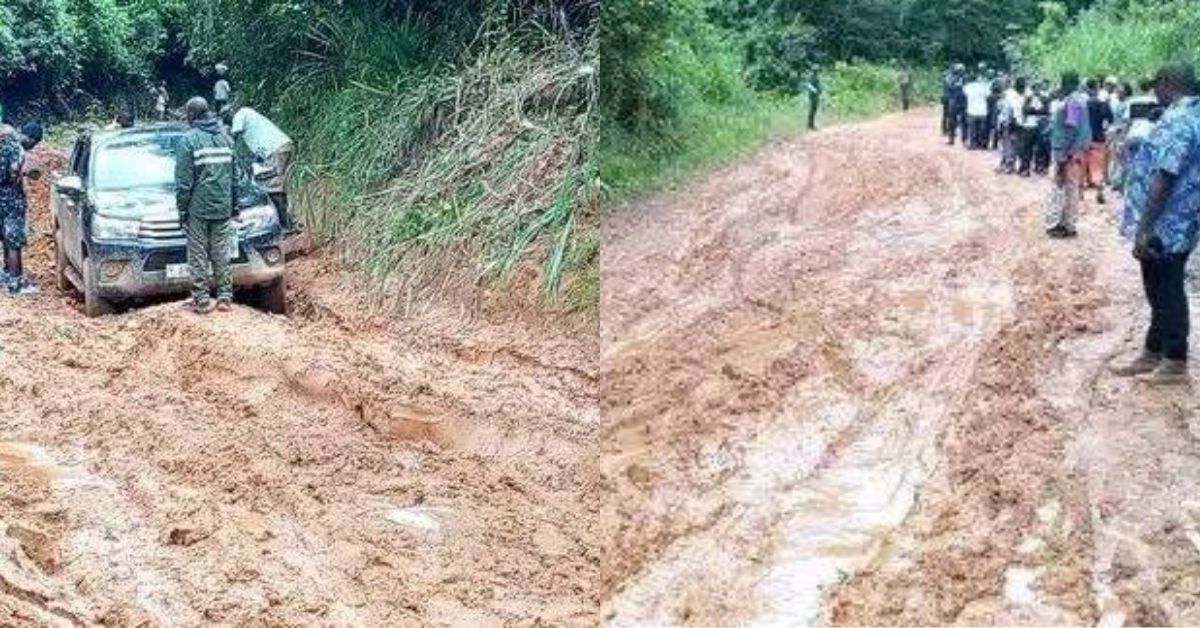
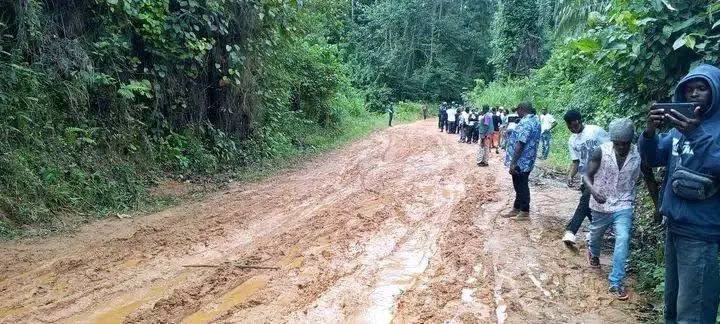
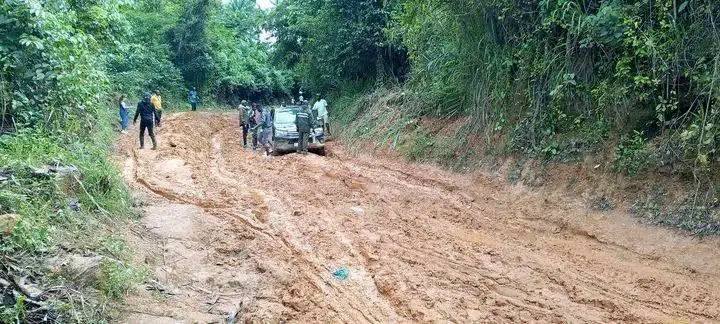
 Residents and motorists in Ngandon-Gbane, Kono District, are raising concerns over the worsening condition of a key road network that has become increasingly difficult to navigate, particularly during the rainy season.
The road, which serves as a vital link for farmers, traders, and transport operators, has deteriorated significantly, disrupting the movement of goods and people and limiting access to markets and essential services. Community members say the situation has placed a heavy strain on livelihoods, with transportation becoming both costly and unreliable.

This is not the first time such concerns have been raised within Gbane Chiefdom. In 2022, Paramount Chief Bindi Fainfa Ngongou II called on the government, through the District Council, to address the poor state of roads in the area. He highlighted that the contractor previously awarded the rehabilitation project lacked the necessary machinery to execute the work effectively, a situation that left residents burdened with high transport fares and limited mobility.


The challenges in Ngandon-Gbane reflect a broader infrastructure problem across Kono District, which continues to struggle with road disrepair. Alongside Kailahun and Koinadugu, Kono remains among the districts most affected by poor road conditions in Sierra Leone. Observers have noted that not only are internal roads in these districts in poor condition, but even the major routes leading to district headquarters are often difficult to access.
Civil society groups are now calling for increased transparency and accountability from the government, while also advocating for greater community involvement in infrastructure planning. They warn that repeated delays and unmet commitments risk deepening public mistrust and undermining confidence in development efforts.
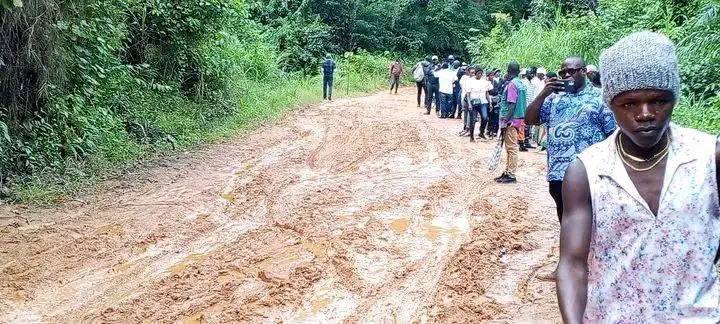
Local residents are appealing to the relevant authorities to intervene before the situation worsens further, stressing the urgent need for rehabilitation works to restore accessibility and economic activity. Despite the ongoing challenges, many in Kono say they remain cautiously hopeful. “We haven’t given up,” one local trader said. “But we are watching closely, and we will hold them to their word.”