

CRN Urges Government, Investors to Protect Coastal Communities Amid Major Infrastructure Projects
 Osman Tolo Sesay
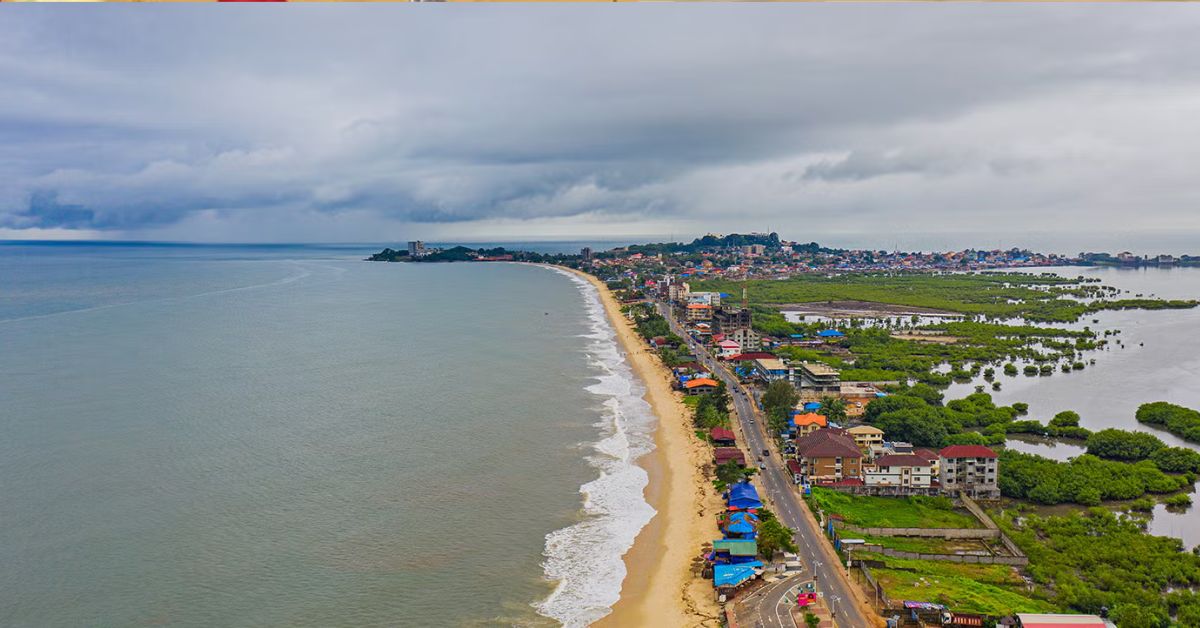
The Coastline Resilience Network (CRN) has called on the government and private investors to put environmental protection and community welfare at the centre of major infrastructure developments planned for Sierra Leone’s coastal areas.
In a press release dated November 23, 2026, the organisation welcomed developments surrounding the Sherbro Island City Project and the proposed Banana Island Port and Railway projects, which were highlighted at the West Africa Integration and Investment Summit (WAIIS 2026).
CRN acknowledged that the investments could create jobs, attract capital and contribute to national economic growth. However, it cautioned that these opportunities should not come at the expense of the environment or the livelihoods of communities that depend on coastal resources.

The organisation commended the government, Sherbro Alliance Partners, Gento Group, Dangote Industries, Afreximbank and their partners for pursuing projects it said could create significant economic opportunities for coastal communities.
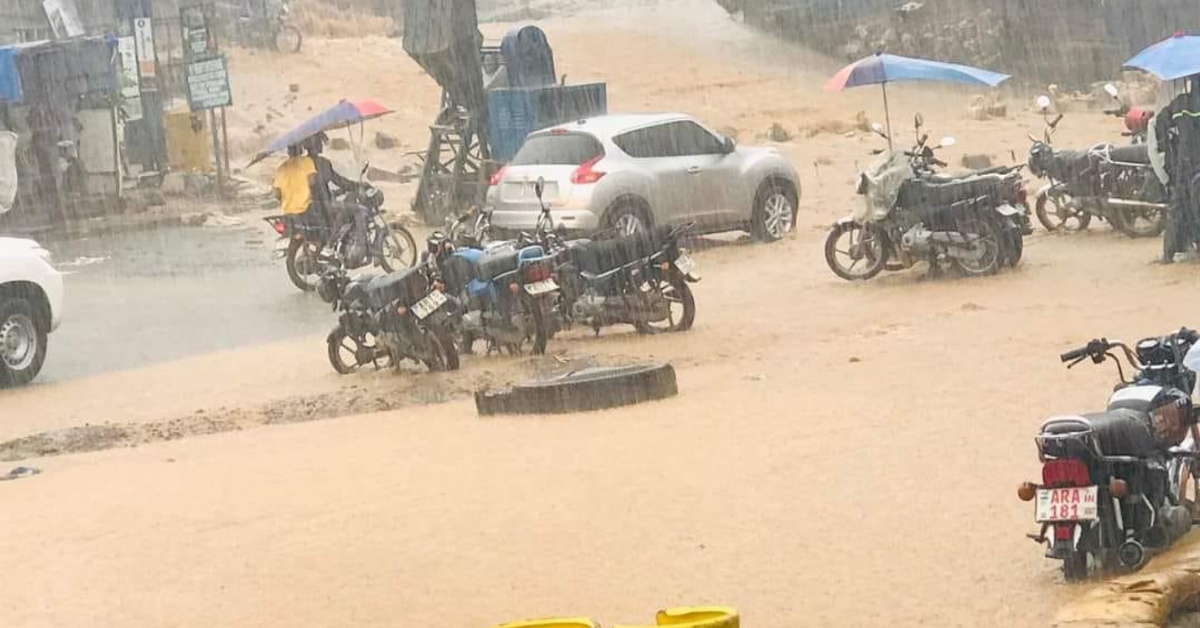


However, it pointed to the growing threats facing Sierra Leone’s coastline, including rising sea levels, flooding and coastal erosion, and stressed that these risks must be considered in the planning and implementation of new infrastructure.
According to CRN, communities in Bonthe, Dublin, Ricket, Kent and surrounding areas have depended on the ocean and coastal ecosystems for generations, making the protection of these natural resources essential to their livelihoods.
The organisation called on project developers and government authorities to safeguard mangroves, wetlands, fishing grounds and marine biodiversity. It also urged them to conduct comprehensive environmental and social impact assessments before proceeding with the developments.
CRN further stressed that the findings of these assessments should be made accessible to affected communities, with residents given meaningful opportunities to participate in decisions concerning their land, livelihoods and future.
On local economic benefits, the organisation said residents should have access to employment opportunities, vocational training and support for local businesses. It also called for fair compensation and measures to restore the livelihoods of households affected by the projects.
In addition, CRN urged investors and government authorities to incorporate climate-resilient infrastructure and improvements in healthcare, education, sanitation and access to safe drinking water into project planning.
The organisation maintained that environmental and social commitments should be included in the projects’ financing and implementation arrangements, with effective monitoring and accountability mechanisms to ensure compliance.
It said the success of the investments should not be measured solely by their economic contributions but also by the improvements they bring to the living conditions of communities hosting the developments.
CRN reaffirmed its willingness to work with government institutions, investors, development partners and local communities to promote responsible investment and sustainable coastal development.
The organisation said Sierra Leone could pursue economic growth while protecting its coastal environment and ensuring that communities do not lose the natural resources and livelihoods on which they depend.