

Rice Import Duty Yields Revenue but Falls Short for Women Farmers, Policy Brief Finds
 Kanja Sesay
 A policy brief by the 50/50 Group and the Budget Advocacy Network (BAN), supported by Christian Aid, has found that Sierra Leone’s reintroduced 5 per cent rice import duty has generated substantial government revenue but delivered limited benefits to women farmers, who remain central to the country’s agricultural workforce.
The assessment, covering the 2024–2025 period following the introduction of the duty under the 2024 Finance Act, revealed that approximately Le365.2 million was collected as part of efforts to finance agricultural development through the Agricultural Development Fund (ADF) and support the government’s Feed Salone programme.
However, the report found that only about Le31.9 million—roughly nine per cent of the total revenue—was transferred to the ADF, raising concerns about the effectiveness of the policy in achieving its intended objectives.

The findings were presented in Sierra Leone on a recent date not explicitly specified, as part of ongoing policy discussions around food security, taxation, and agricultural reform. The duty was originally introduced to mobilise domestic resources, reduce reliance on imported rice, and strengthen local production, but civil society groups argue that its benefits have not reached key stakeholders, particularly women farmers.


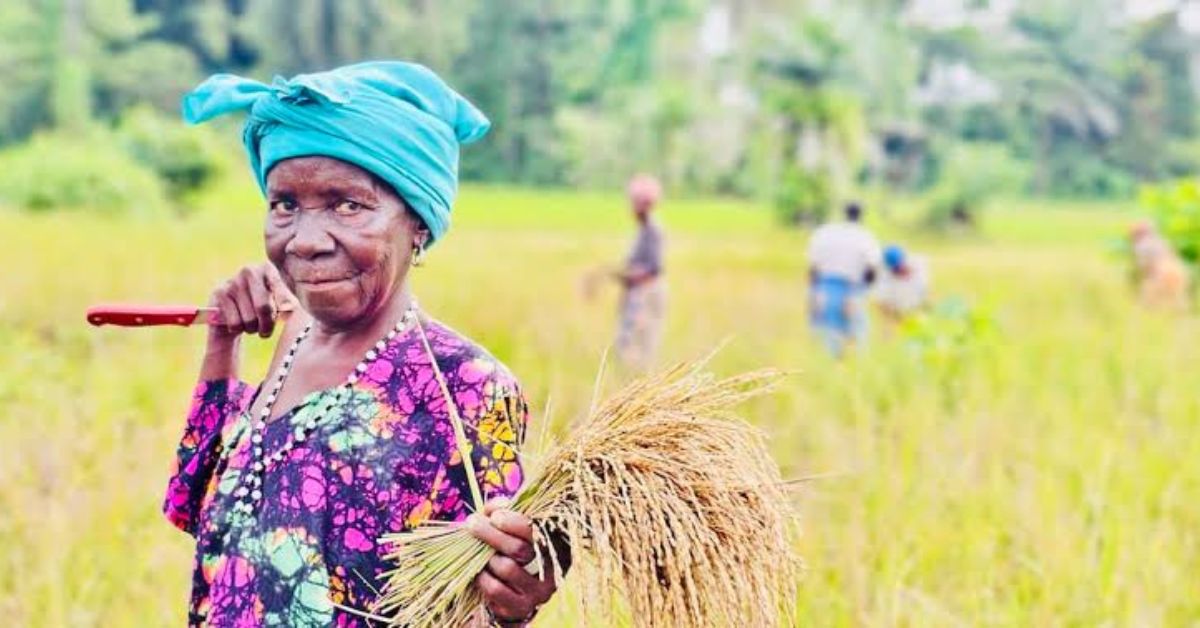
According to the report, women, who make up the majority of the agricultural labour force and play a primary role in household food security, have borne the brunt of rising rice prices linked to the duty. Households have reportedly responded by reducing consumption, purchasing smaller quantities, or shifting to less preferred food alternatives, placing additional pressure on women as both producers and caregivers.
Research Director at the 50/50 Group, Professor Fredline M’Cormack, stated that structural challenges continue to limit women’s participation and productivity in agriculture, including restricted access to land, financing, inputs, machinery, and markets. She emphasised that while revenue mobilisation remains important, fiscal policies must be evaluated through a gender and equity lens to ensure fair distribution of benefits.
The policy brief also noted that although the government introduced a rice pricing formula to stabilise costs, many women farmers reported that anticipated gains from the duty, particularly in terms of agricultural support and investment, have yet to materialise at a meaningful scale.
In response, the Ministry of Agriculture and Food Security acknowledged the findings, with Director of Exemption Alpha Yayah Mansaray stating that the recommendations would be reviewed. He reiterated that the duty forms part of a broader strategy to boost domestic production and reduce import dependence, noting that Sierra Leone has reached approximately 73 percent self-sufficiency in rice production.
He further highlighted complementary government efforts, including expanding market access through partnerships with institutions such as the World Food Programme, which has increased procurement of locally produced rice, and the recruitment of 700 additional staff to strengthen agricultural extension services nationwide.
Civil society organisations have proposed several measures to address the gaps identified, including the full and timely transfer of rice duty revenues to the ADF, allocating at least 30 percent of those funds specifically to women farmers in line with the Gender Equality and Women’s Empowerment Act, and improving transparency through regular public reporting on revenue collection and utilisation.
The issue underscores a broader policy debate in Sierra Leone over how to balance revenue generation with equitable economic outcomes, particularly in the context of food security and inclusive agricultural development.