

President Bio Says Feed Salone Is Putting More Food on Tables and Money in Citizens’ Pockets
 Salamatu Y. Kamara
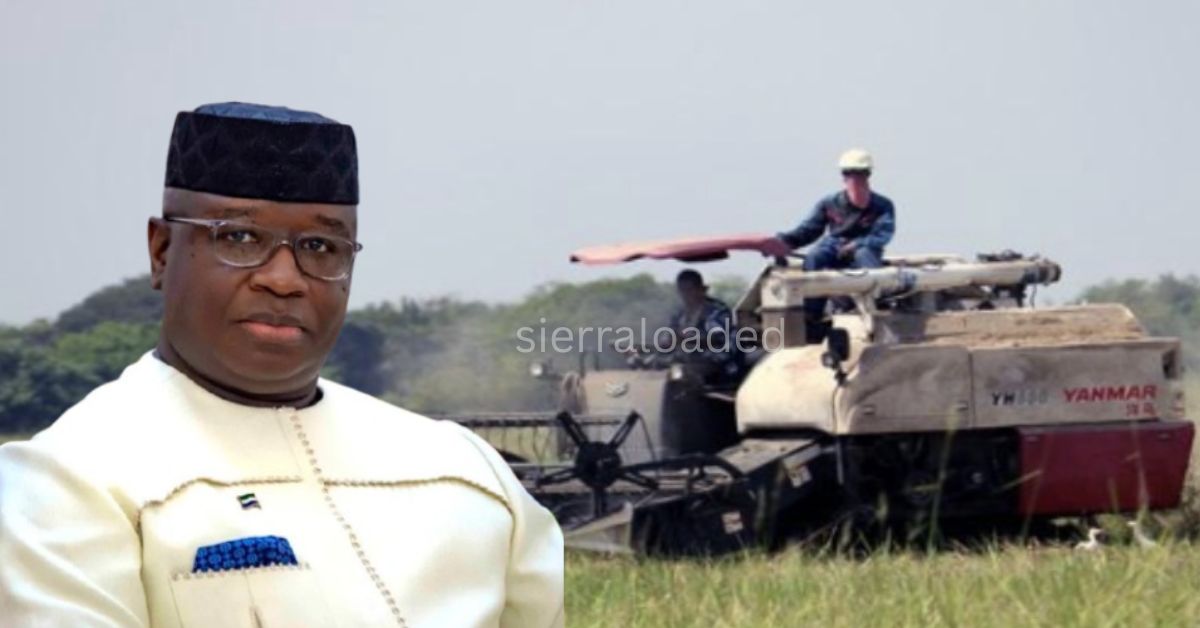
 President Julius Maada Bio has said his government’s flagship Feed Salone programme is increasing food production, reducing food prices and putting more money in the pockets of citizens as part of his administration’s “Big Five Game Changers.”
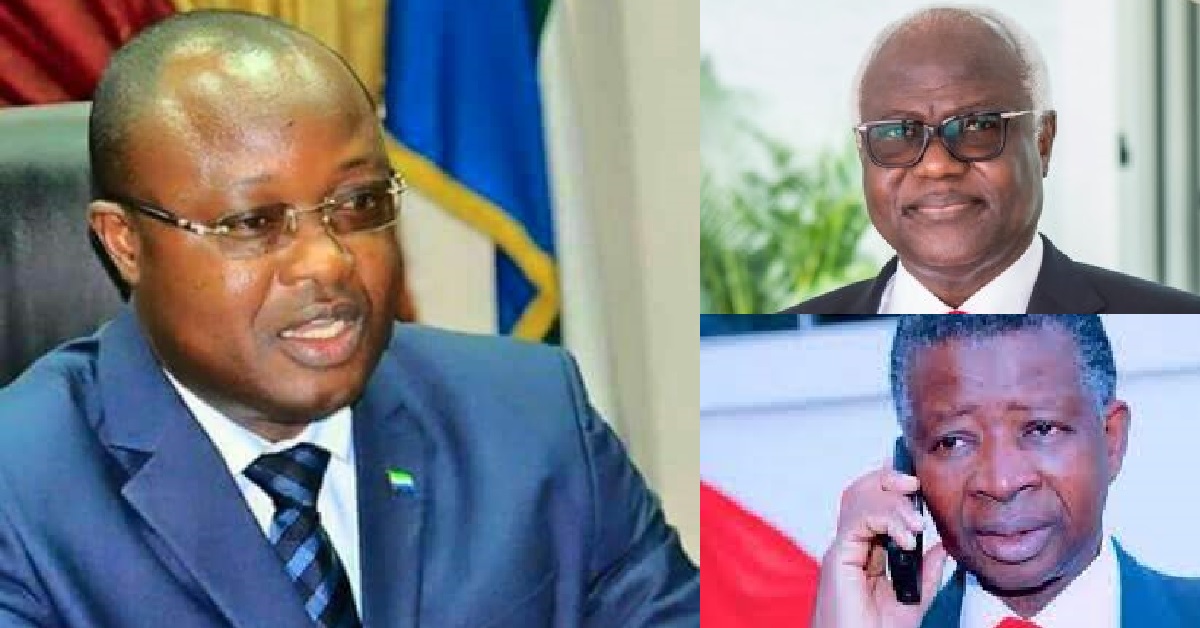
President Bio made the statement during the State Opening of the Fourth Session of the Sixth Parliament of the Second Republic of Sierra Leone at the Chamber of Parliament in Tower Hill, Freetown.
Addressing Members of Parliament on the Medium-Term National Development Plan 2024–2030, President Bio said the Big Five priorities are mutually reinforcing, noting that 2026 has been designated as the “Year of Action and Accelerated Delivery.”

He said the success of the administration’s development agenda would be measured by visible progress, closing development gaps and completing projects.

According to President Bio, food security is central to economic stability, job creation, investment and rural transformation.
He reported that rice production increased to 1,441,015 metric tonnes in 2025, representing a 4.2% increase from the previous year. Cultivated land expanded to 661,016 hectares, while average yields increased to 2.37 metric tonnes per hectare.
The President said these developments contributed to an increase in rice self-sufficiency from 68% in 2023 to 73% in 2025. He added that the national rice import bill declined from US$177 million in 2022 to US$159 million, resulting in more than US$18 million in foreign-exchange savings.
President Bio further disclosed that the Sierra Leone Agricultural Research Institute released 18 improved varieties of rice, cassava and maize, while local seed enterprises supplied the country’s rice seed requirements for three consecutive years.
He said cash-crop exports were also increasing, with cocoa, cashew and coffee generating US$107.8 million in export earnings in 2025.
The President also said the introduction of a 35% duty on imported eggs encouraged three farms to establish a combined stock of 45,000 birds.
Citing an example from Lungi, President Bio said a large-scale onion farm and processing facility had expanded cultivation from 70 to 170 hectares. He said the expansion created employment for more than 500 women and contributed to a reduction in onion prices from NLe50 to NLe34.
“That is the result we seek: increased local production, lower food prices and more income for families,” President Bio said.
The President outlined more than US$45 million mobilised to support agribusiness growth. This includes US$10 million in agricultural credit, US$5.8 million in World Bank FSRP matching grants for 62 small and medium-sized enterprises, 42% of which are women-owned, as well as a €10 million European Investment Bank facility for SMEs and a €7 million UNCDF blended-finance facility targeting women- and youth-led agribusinesses.
He also announced the US$105 million Livestock and Livelihood Development Project, being implemented with support from IFAD, the Islamic Development Bank, the OPEC Fund and Heifer International.
According to President Bio, the project will benefit 62,000 households across 11 districts, distribute 70,525 animals and establish six veterinary clinics.
He said more than 1,200 farmers have enrolled in Sierra Leone’s first Weather-Index Crop Insurance Scheme, while locally produced rice now accounts for 40% of the School Feeding Programme, up from 10% in 2024.
The President said the programme currently provides meals to approximately 270,000 schoolchildren every day.
He further disclosed that household severe food insecurity declined from 28% in 2023 to 13% in 2025, according to the World Food Programme.
President Bio also highlighted infrastructure investments supporting agricultural production, including the commissioning of four agricultural bridges in Bonthe, Kenema, Kailahun and Karene. He said work is ongoing on the 5,000-hectare Tormabum–Gbondapi irrigation system.
He announced a new US$40 million World Bank SAVIG project aimed at boosting productivity across the rice, maize, onion and cocoa value chains.
He added that pipeline projects worth US$320 million would support cassava industrialisation, the development of a Special Agro-Processing Zone in Kambia and Port Loko, the 65-kilometre Bendu Chaa–Bauya road, and an EU-funded Oil Palm Project in Pujehun.
“Next year, to consolidate the progress we have made towards food self-sufficiency, we will expand irrigation, mechanisation, processing capacity and rural connectivity,” President Bio said.
He concluded that the success of Feed Salone would ultimately be measured by farmers’ earnings, the cost of food for families and Sierra Leone’s ability to feed itself.
“Feed Salone will be judged by what farmers earn, what families pay for food and Sierra Leone’s ability to feed itself,” he said.
How much is the cost of a 50kg bag of feed Salon rice and where can I buy it?
Operation feed Salon is a failure. All the progress the president is talking about are just on paper fooling Sierra Leoneans and satisfying dunors.