

Children’s Forum Network Takes Anti-Child Marriage Campaign to Banana Wata, Waterloo
 Kanja Sesay
 Members of Save the Children’s Forum Network have conducted a two-day community awareness campaign in Banana Wata and Waterloo, engaging children, parents, community leaders and residents on Sierra Leone’s law prohibiting child marriage.
The engagements, held from August 26 to 27, 2026, focused on the Prohibition of Child Marriage Act and its simplified, child-friendly version. The campaign sought to improve community understanding of the law and encourage collective action to protect children from early and forced marriage.
The forum members also encouraged community members to report suspected cases to the appropriate authorities and emphasised the responsibility of adults and communities to protect children from practices that violate their rights.

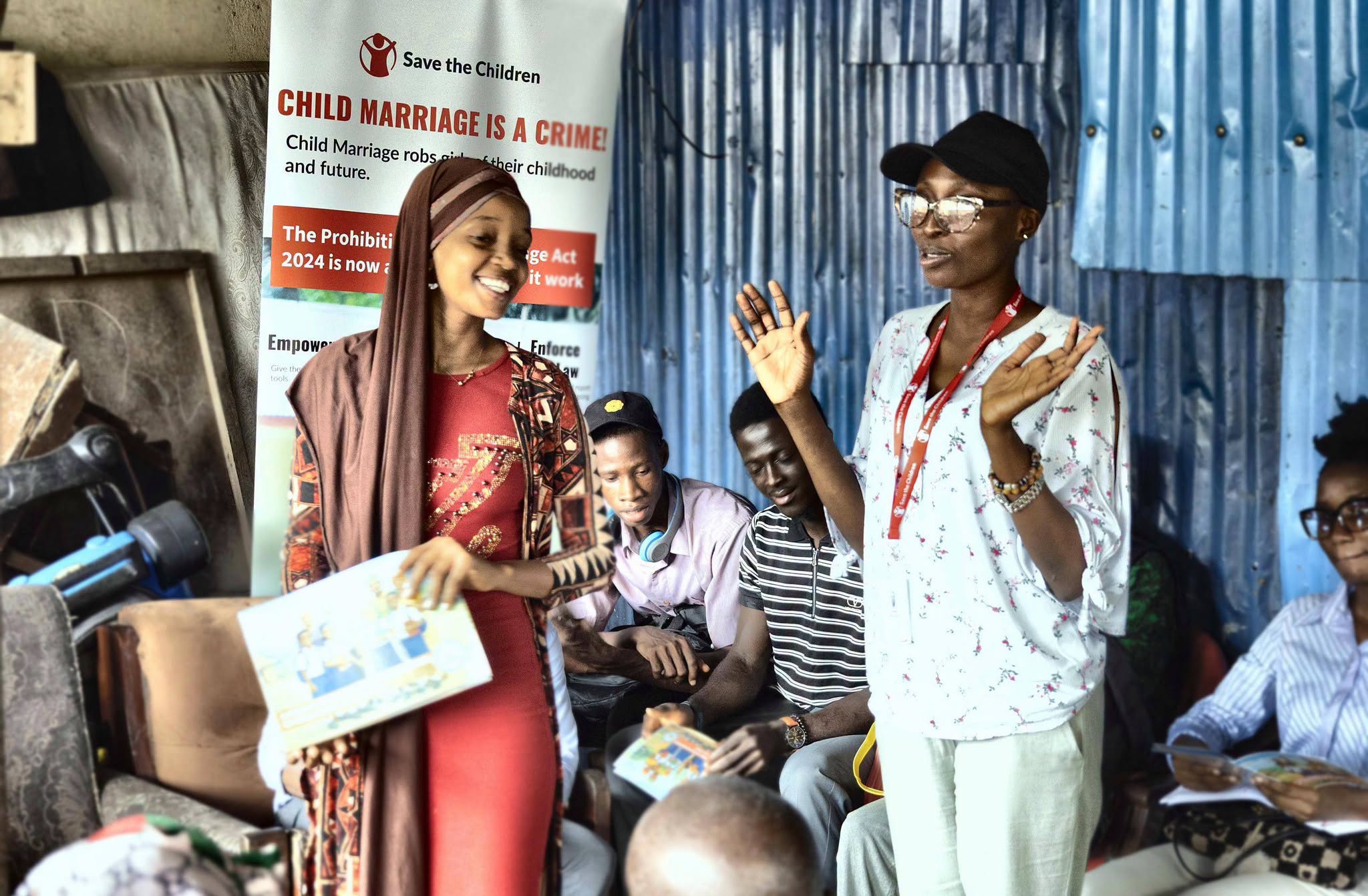


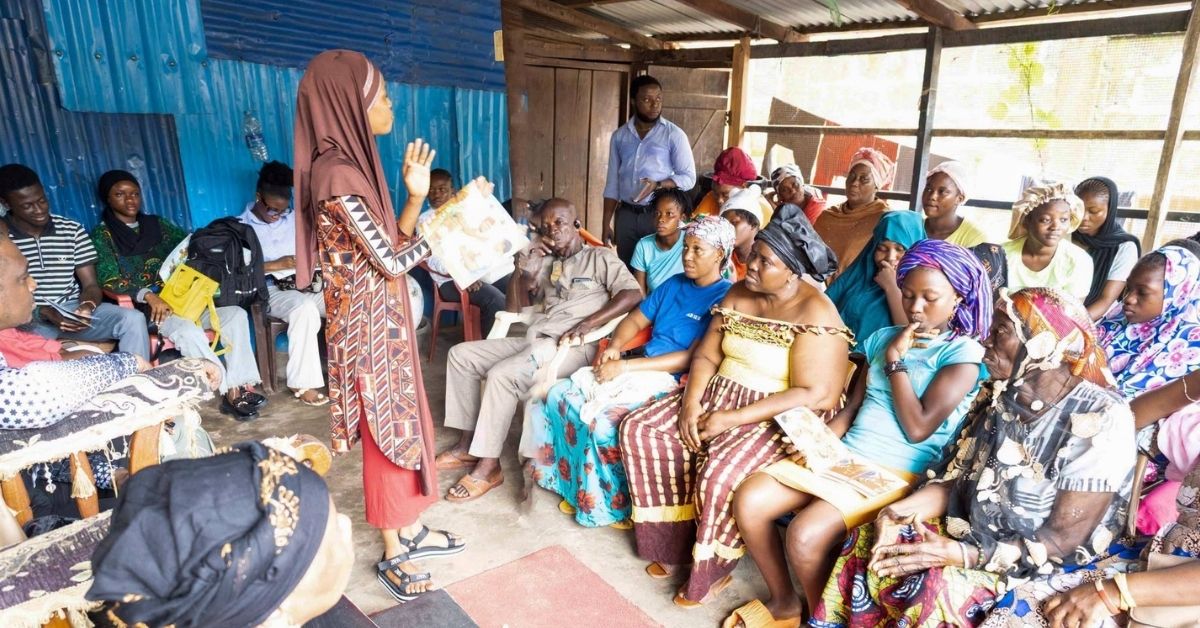
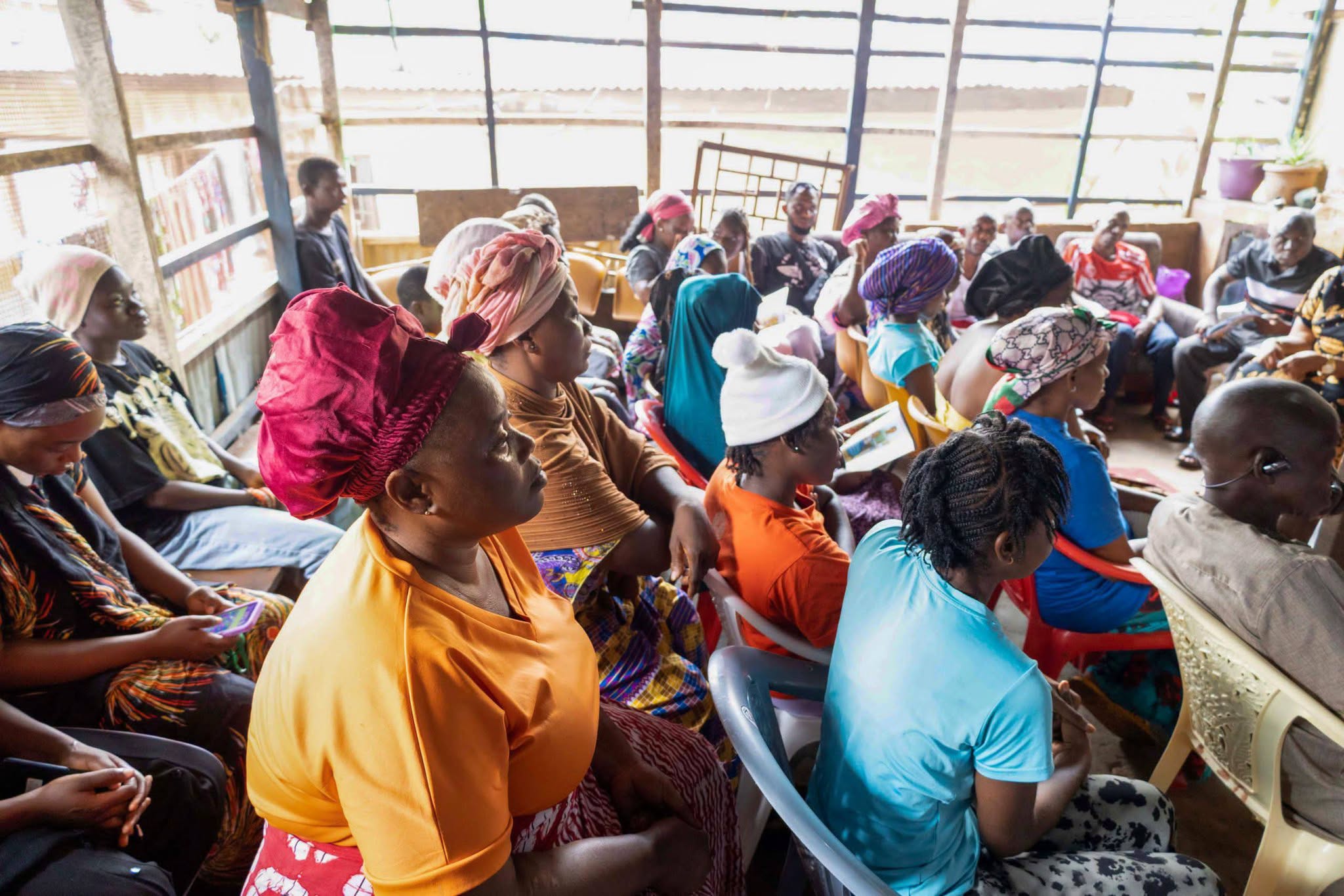
The first engagement was held at the Chief Compound in Banana Wata, Western Area Urban, where members of the Children’s Forum Network led discussions on child marriage and the legal protections available to children.
Tenneh Doris Kargbo, of Save the Children’s Advocacy and Communications Unit, opened the session by stressing the importance of understanding and implementing the Prohibition of Child Marriage Act.
She highlighted Save the Children’s continued support for community-based child protection efforts and encouraged participants to take an active role in preventing child marriage and reporting suspected cases to the relevant authorities.
The discussion also provided an opportunity for children and community members to ask questions about the law and its implications for families and communities.
Alimatu Giba Jalloh, the outgoing National Welfare Person of the Children’s Forum Network, emphasised the importance of ensuring that children themselves understand the law protecting them.
She explained who is legally considered a child, what constitutes child marriage and who can be held responsible for offences under the law.
Jalloh encouraged young people to become familiar with their rights and the legal protections available to them, noting that understanding the law can help children recognise harmful situations and seek assistance.
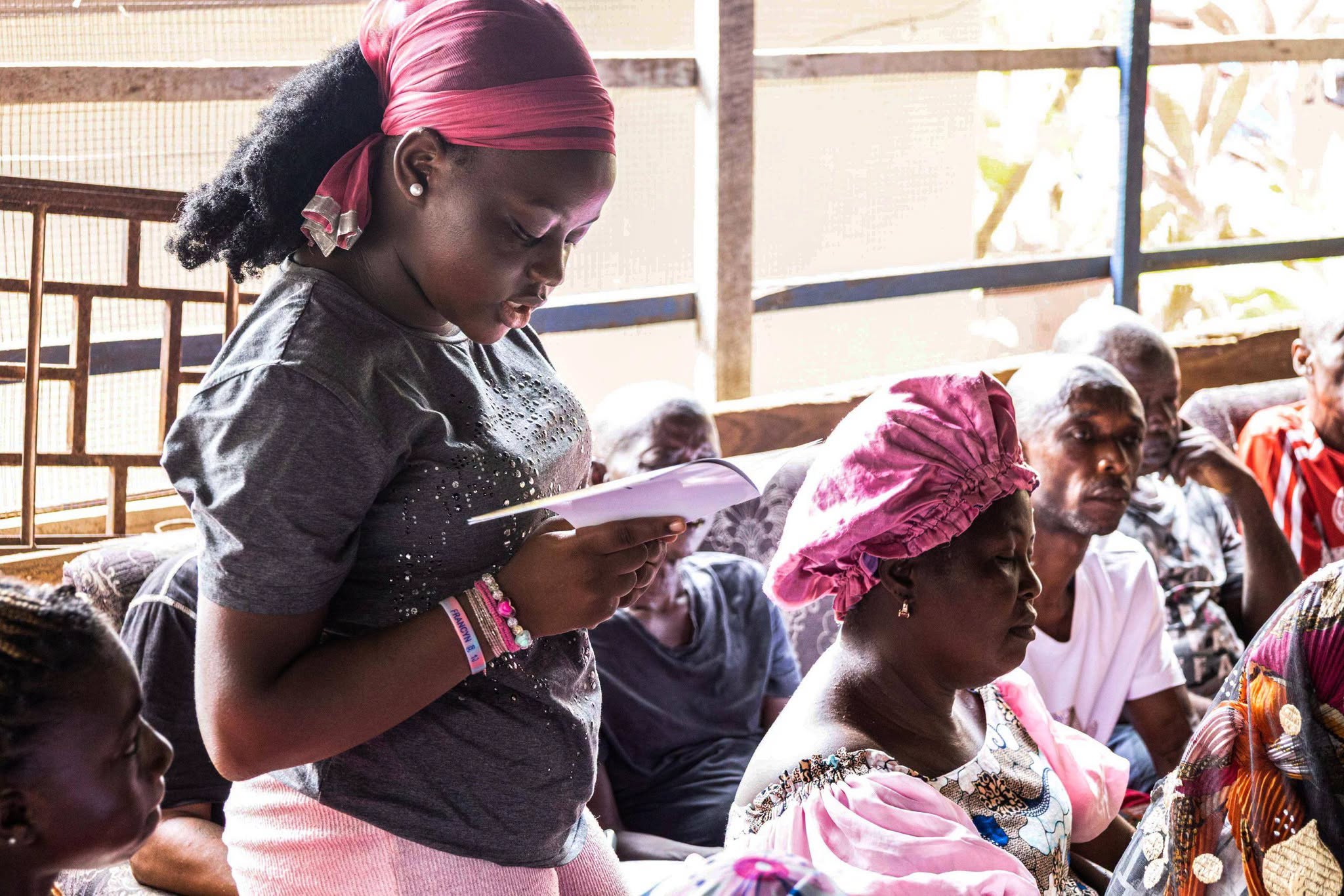
The awareness sessions also addressed offences and penalties under the legislation, including provisions relating to child marriage, cohabitation with a child, obstruction of police investigations and the legal duty to report suspected cases.
The Prohibition of Child Marriage Act, 2024 provides legal protections against child marriage and establishes penalties for individuals convicted of offences under the legislation.
The awareness drive continued in Anifa Community, Waterloo, where children, particularly young girls and boys, participated in discussions about the dangers and legal consequences of child marriage.
Forum members used Krio during the engagement to make the discussions easier for participants to understand.
The children were encouraged to ask questions and discuss situations they may encounter in their communities. Facilitators also explained the responsibilities of parents, community members and authorities in preventing and responding to child marriage.
The campaign featured the child-friendly version of the Prohibition of Child Marriage Act, which was developed with support from Save the Children to make the legislation easier for children and communities to understand.
The simplified material provides information on children’s rights, prohibited conduct, reporting mechanisms and where children can seek help.
The two-day campaign concluded with community members pledging to work together to prevent and eliminate child marriage.
Organisers described the commitments as an important step towards strengthening community-level child protection and addressing the social and other factors that can expose children to early marriage.
The Children’s Forum Network’s engagement forms part of broader efforts to ensure that children and communities understand Sierra Leone’s child marriage law and know how to respond when children are at risk.
By taking the discussion directly into communities, the campaign sought to move awareness of the law beyond legislation and into practical action to protect children.