

Chief Minister Sengeh Explains Constitutional Reforms to UN, Diplomatic Corps
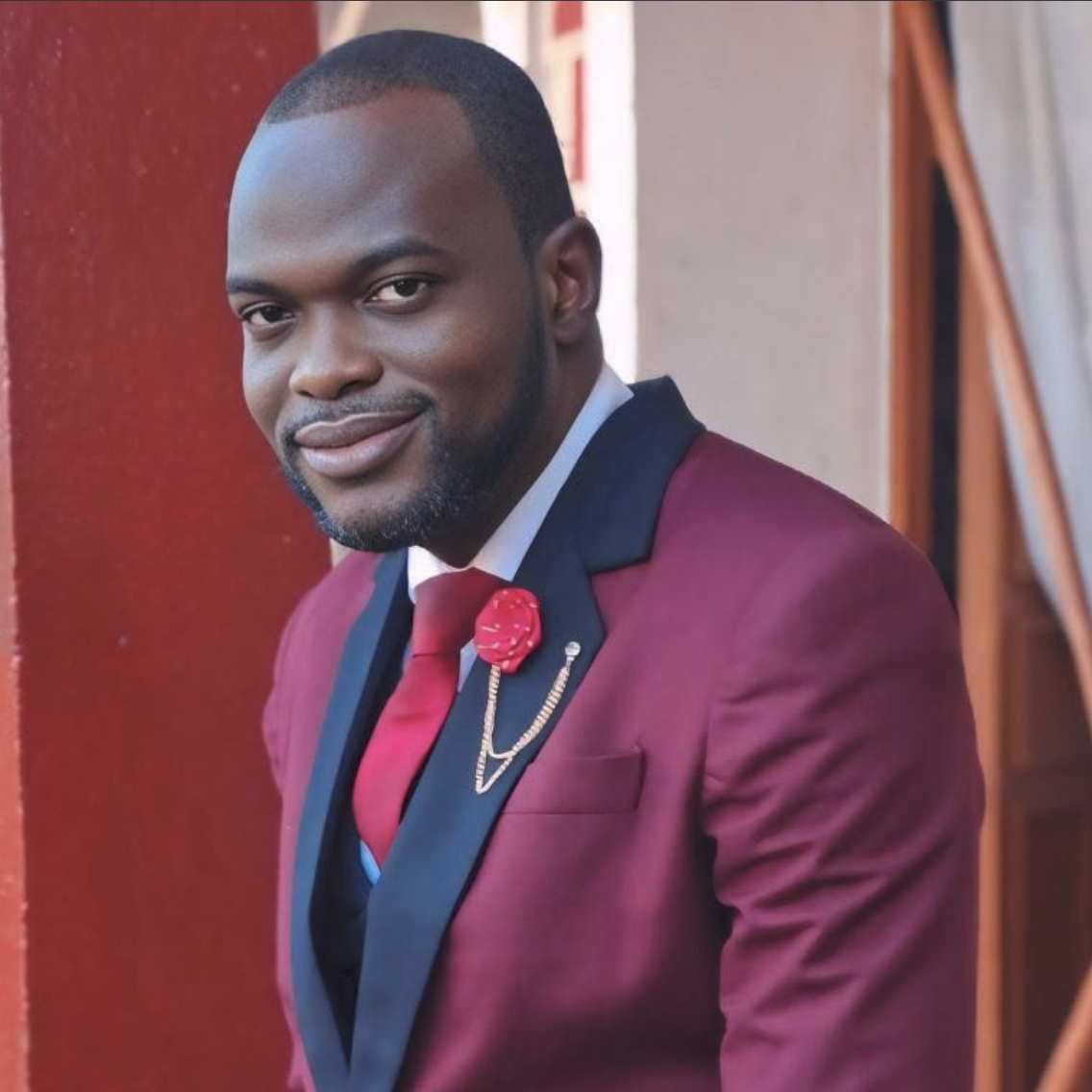 Aaron Parker
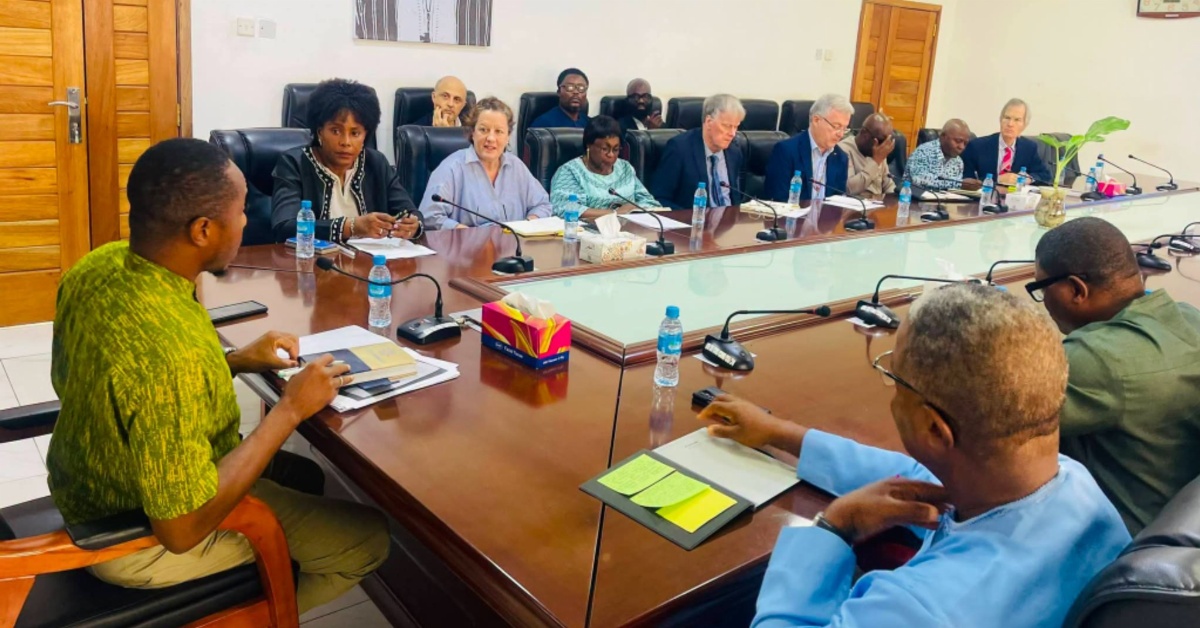
 Chief Minister David Moinina Sengeh has engaged the United Nations Resident Coordinator and members of the diplomatic corps on Sierra Leone’s ongoing constitutional reform process, sustainable national development and the need to strengthen democratic institutions.
The Chief Minister said he held “very dynamic discussions” with the UN Resident Coordinator and her team on the shared aspirations of the Government and its development partners for sustainable national development.
He later met a cross-section of the diplomatic corps, including the UN Resident Coordinator, the Gambian and British High Commissioners, the Guinean, German, Irish and ECOWAS Ambassadors, and the Chargé d’Affaires of the European Union.

During the engagement, Sengeh highlighted the recently passed constitutional amendments, describing them as the product of nearly two decades of inclusive participation and consultation.

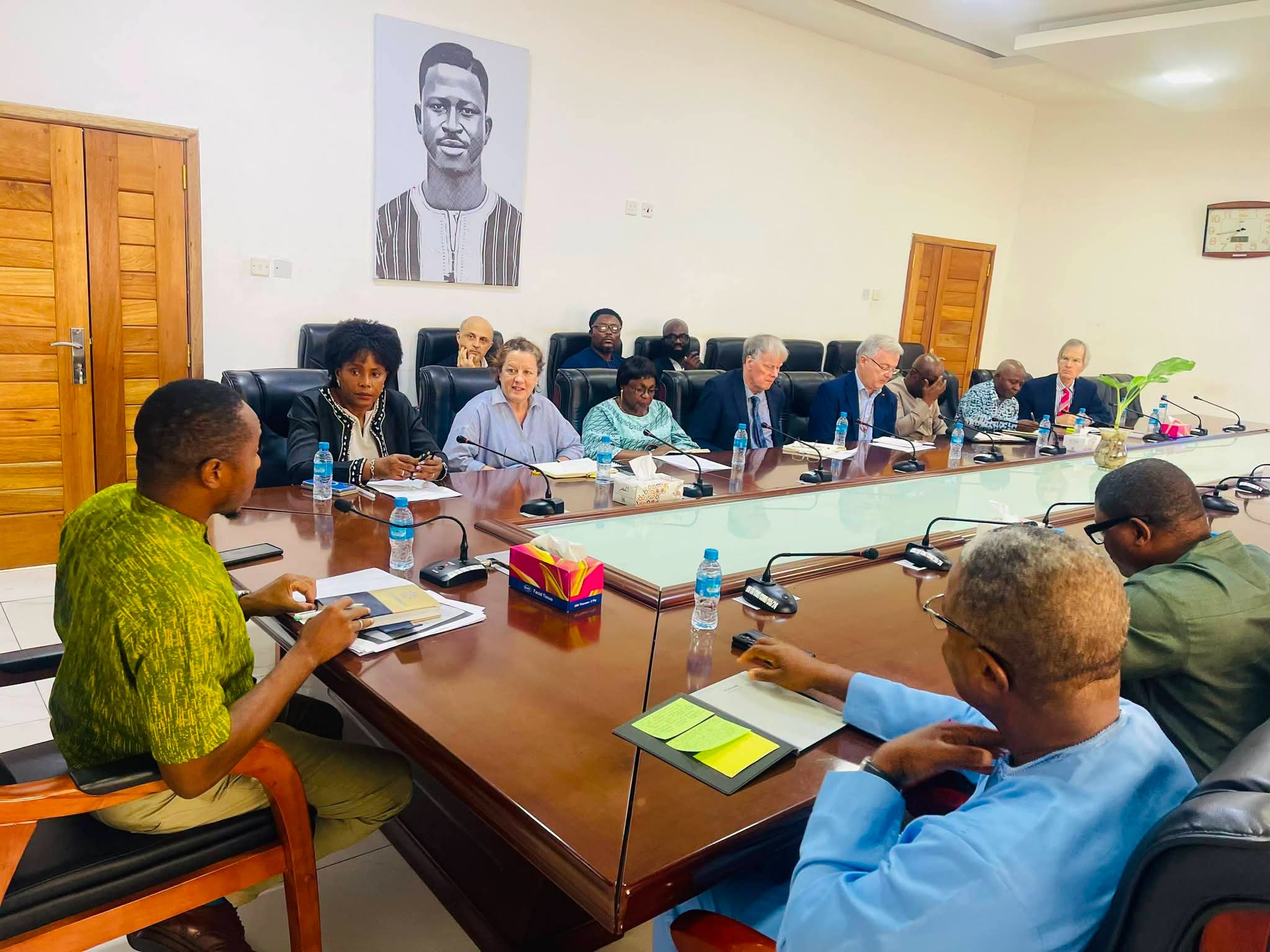
According to the Chief Minister, the amendments provide for greater participation of Sierra Leoneans in the diaspora in elections, promote a more inclusive system of government and introduce proportional representation.
He also pointed to the adoption of a 50% plus one threshold for presidential election victories, describing it as a progressive reform. He noted that Sierra Leone had previously been the only country in Africa requiring a candidate to secure 55% of the vote to win a presidential election in the first round.
Addressing questions raised by some members of the diplomatic community about the parliamentary process, Sengeh stressed the constitutional independence of the three arms of government, the Executive, Legislature and Judiciary.
He said Parliament, under the leadership of the Speaker, operates according to its own rules and procedures as provided for by the Constitution, adding that the powers granted to the Speaker must be respected.
“Where there are doubts, the Supreme Court, led by the Chief Justice, will independently make a decision,” Sengeh said, emphasizing the importance of allowing the relevant institutions to exercise their constitutional mandates.
He also called for greater dialogue and trust among stakeholders, urging all sides to avoid relying on a single account or individual interpretation of events.
The Chief Minister explained that the Executive prepared the Constitutional Amendment Bill based on extensive work undertaken over 20 years, including two Cabinet White Papers, the Tripartite Report and other position papers.
The Bill was subsequently presented to Parliament, where it underwent debate and voting over several months.
Sengeh maintained that any decision on whether the amendments proceed to the Supreme Court is entirely independent of the Executive, stressing that Members of Parliament were given the opportunity to participate in the legislative process.
He further argued that choosing not to participate in the process was itself a decision, describing the withdrawal of lawmakers from parliamentary proceedings as an abandonment of their responsibility to citizens.
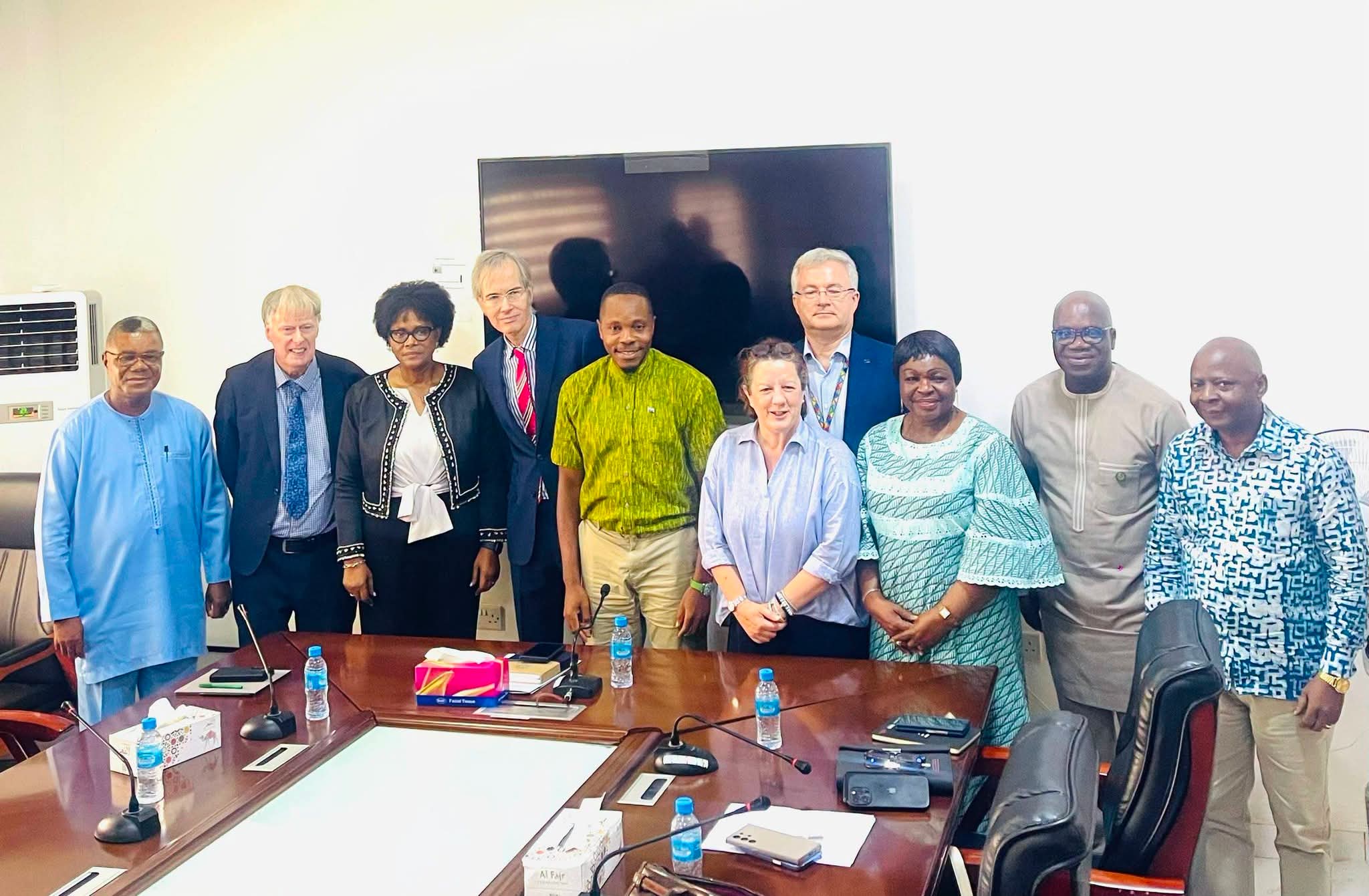
According to Sengeh, the ongoing debate surrounding the constitutional amendments demonstrates that Sierra Leone’s democratic institutions are functioning and that disagreements are a natural part of democratic governance.
He, however, noted that the constitutional reform process remains incomplete, with another Bill expected to address non-election-related amendments, proposed new chapters and provisions relating to entrenched clauses.
The Chief Minister expressed confidence that all Members of Parliament would participate fully in the forthcoming debates and reaffirmed the Government’s commitment to completing the constitutional reform process through dialogue, consultation and respect for democratic institutions.
“Democracy, and even the Constitution, does not expect that everyone will always agree about everything,” Sengeh said, stressing the need for continued engagement and institutional respect as Sierra Leone advances its democratic reforms.