

Chief Minister Sengeh Threatens Action Against Police Taking Bribes at Freetown Water Quay
 Sahid Bangura
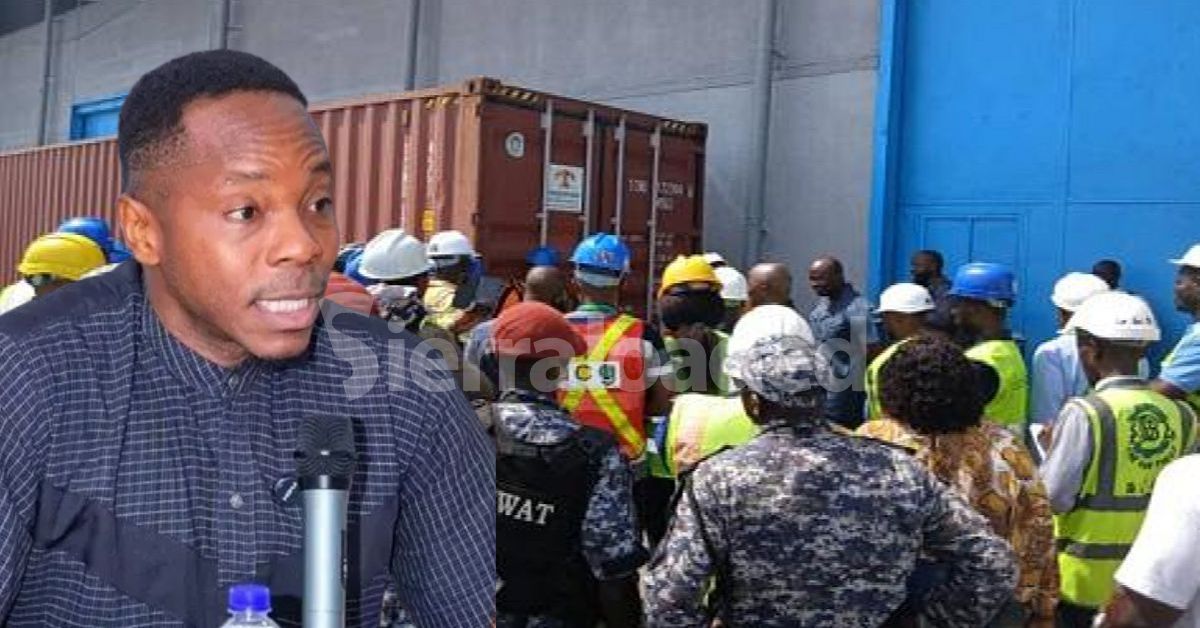
 Chief Minister Dr. David Moinina Sengeh has warned police officers against allegedly demanding money from truck drivers at the Queen Elizabeth II Quay in Freetown, saying officers found soliciting bribes to facilitate truck exits will face immediate consequences.
Dr. Sengeh issued the warning during discussions on the government’s ongoing efforts to decongest the port, where truck drivers have been facing queues and delays in the movement of cargo.
The Chief Minister said he had received independent reports that some police officers were allegedly demanding cash from drivers waiting to exit the port.

“Send the notes to your police people that anybody caught collecting money for exit they’ll be in trouble,” Sengeh warned.
He stressed that the decongestion exercise would only succeed if all agencies involved operated with discipline, accountability and respect for established procedures.
“Police should not ask for money and drivers should not offer money to do the wrong things,” he said.
Sengeh also urged port operators to report to work on time and perform their responsibilities without expecting illicit payments from members of the public. “No one should be given cash to do their work,” he added.
The warning forms part of a multi-agency effort led by the Sierra Leone Ports and Harbours Authority to improve the movement of containers and cargo at the Queen Elizabeth II Quay.
The initiative involves the Sierra Leone Road Safety Authority, the Indigenous Transport Owners Association and Freetown Terminal Limited, among other stakeholders.
According to the Chief Minister, trucks should be allowed to proceed once the required documentation, revenue payments and security checks have been completed. He urged stakeholders to follow the prescribed process rather than attempting to bypass it through unofficial payments.
The port decongestion drive is linked to President Julius Maada Bio’s “Big Five Game Changers” agenda, which seeks to improve port efficiency, reduce logistics delays and strengthen Sierra Leone’s trade environment.
Dr. Sengeh said institutional accountability and personal integrity were essential to ensuring that reforms at the port translated into more efficient services for businesses and citizens.