

Sierra Leone Yet to Lower Air Travel Costs Despite ECOWAS Directive
 Tolulope Aina
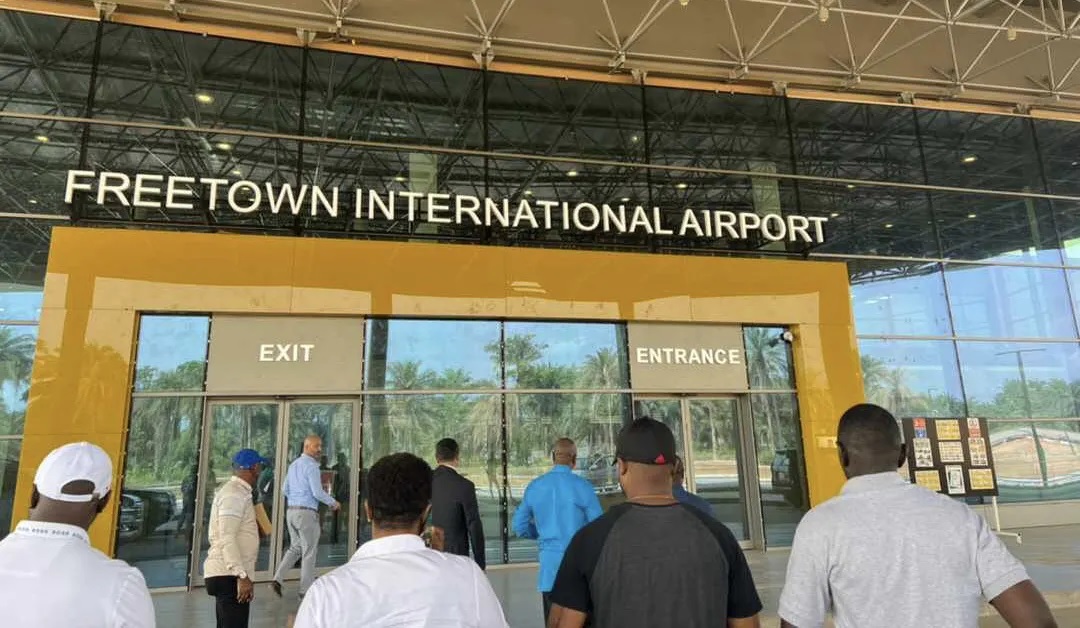
 Sierra Leone is yet to implement a binding regional directive to slash air travel costs and abolish aviation taxes, months after government officials promised the reductions would take effect.
The disclosure came during the 69th Ordinary Session of the ECOWAS Authority of Heads of State and Government held on July 19 in Lungi, where regional leaders commended Côte d’Ivoire as the only member state to have successfully removed the required aviation taxes.
In its final communiqué, the regional body reiterated its resolve to make air travel affordable across West Africa, but explicitly directed Sierra Leone and other non-compliant nations to “expedite national processes,” including the revision of tax laws and cross-sectoral consultations, to enforce the lower charges.

The regional bloc’s directive, which took effect on 1 January 2026, mandates all member states to abolish air transport taxes and reduce passenger and security charges by 25 per cent. The move was announced by President Julius Maada Bio during the 68th Ordinary Session of the ECOWAS Authority of Heads of State in December 2025, who described it as a landmark measure to ease mobility, boost trade and tourism, and strengthen people-to-people connections across the region.



A Supplementary Act adopted by ECOWAS Heads of State in December 2024 specifically requires Sierra Leone to abolish its Foreign Travel Tax within 12 months. The tax, ranging between $8.95 and $250 on airline tickets sold locally, places Sierra Leone among four countries—alongside Togo, Niger, and The Gambia—currently applying the levy.
Sierra Leone’s Parliament ratified the necessary air transport agreements in February 2026, fulfilling the binding regional directive. The ratification process was overseen by Deputy Minister of Transport and Aviation, Rex Bhonapha, who presented the agreements to lawmakers. However, domestic implementation appears to have stalled.
West Africa remains one of the world’s most expensive regions to fly. Aviation charges, taxes, and fees currently account for nearly 50% of the total cost of an airline ticket in the region, creating a severe bottleneck for trade, tourism, and regional mobility.
According to the African Airlines Association, passengers on international departures in West Africa paid an average of US$109 in taxes, charges, and fees in 2024. Sierra Leone ranked second most expensive for international departures, with taxes close to US$300. The levy on tickets accounts for nearly half of the total fare in the region.
Experts have cautioned that even with the tax reductions, Sierra Leone faces structural challenges that may limit ticket price reductions. The country’s US$270 million new terminal at Lungi International Airport operates under a “build-operate-transfer” model, meaning cost recovery depends on passenger charges and landing fees. Low passenger volumes and limited competition also contribute to persistently high fares.
To push lagging member states into compliance, ECOWAS announced the operationalization of a Regional Air Transport Economic Oversight Committee to conduct high-level engagements with governments. The bloc has projected that ticket prices could drop by up to 40 per cent once the policy takes full effect.
In addition, the regional authority revealed a financial incentive scheme, calling on development partners—including the African Development Bank (AfDB), the Afreximbank, and the ECOWAS Bank for Investment and Development (EBID)—to restrict multilateral infrastructure funding strictly to member states that comply with the air transport tax reductions.